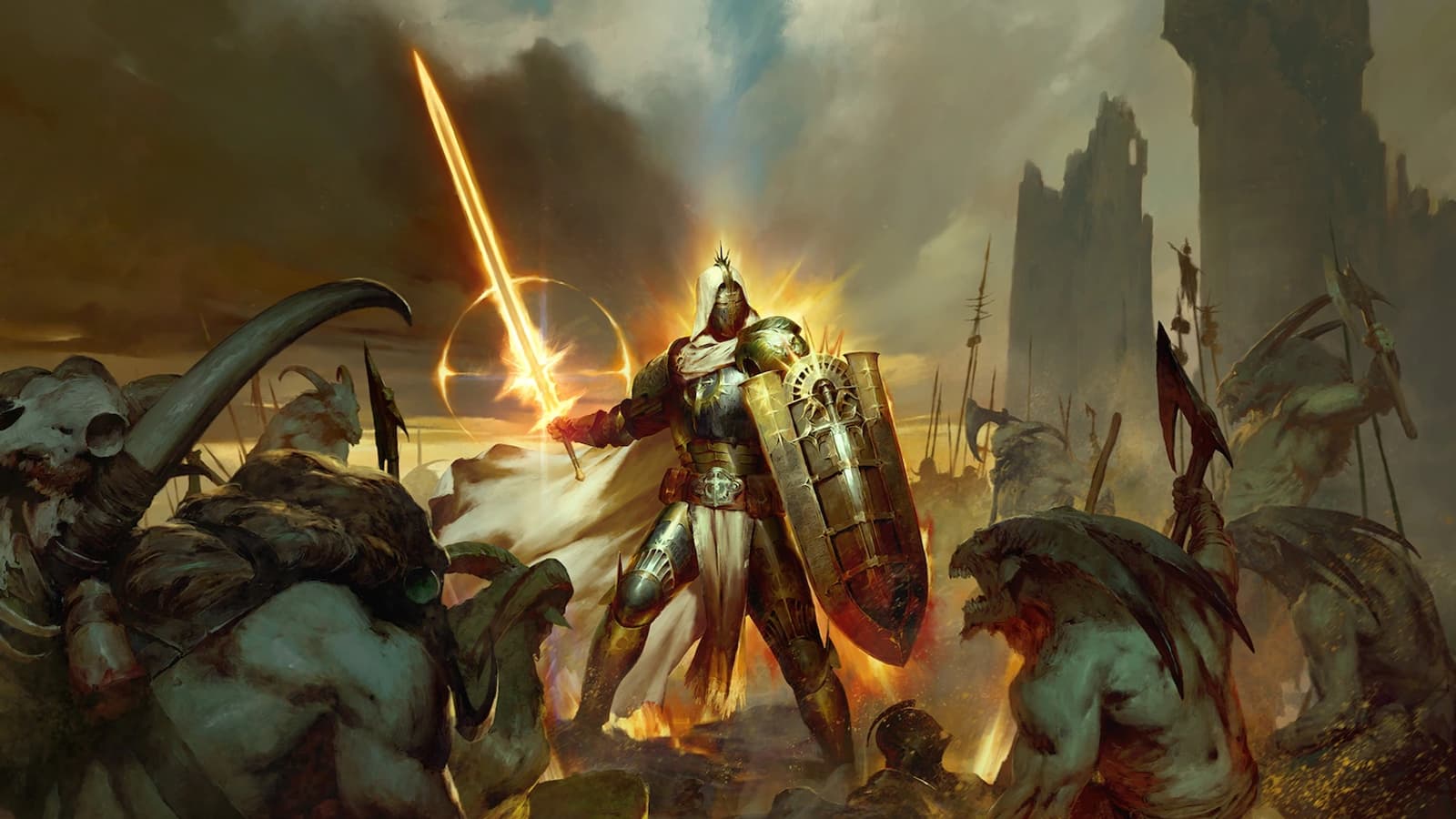
Blizzard president Johanna Faries outlined a five-year plan to prioritize major projects — defined to include new games, sequels and expansions — and to use its multibrand franchises to deliver at least one to two significant releases each year. The strategy follows Blizzard’s acquisition by Microsoft and a shift to a more predictable release cadence; recent commercial strength includes Diablo IV generating over $1 billion in revenue after Diablo Immortal’s 2022 launch. For investors, the guidance implies steadier content-driven revenue visibility and franchise monetization through regular large releases and expansions like Diablo IV: Lord of Hatred and World of Warcraft: Midnight.
Market structure: Microsoft (MSFT) is the clear direct beneficiary — a cadence of 1–2 “major” Blizzard projects per year materially raises the likelihood of recurring $1B+ title cycles (Diablo IV did >$1B). Expect modest share gains in gaming/content vs. peers (EA, TTWO) and incremental Xbox/Game Pass ARPU upside; conservatively model +$1–2B incremental gaming revenue per year which could lift Xbox & Content revenue 5–10% over 2–3 years. Hardware/software suppliers (NVDA, AMD, possibly U) see demand tailwinds for GPUs and dev tools on release windows.
Risk assessment: Tail risks include a major launch failure or monetization backlash (loot-box/regulatory scrutiny) that could knock 5–15% off MSFT gaming revenue and produce a 3–8% draw on MSFT equity in short term; antitrust scrutiny of large bundled offerings is medium probability. Timing: immediate volatility clustered around announcements (days), pre-release marketing windows (4–12 weeks), and long-term execution over 3–5 years as cadence becomes routine. Hidden dependency: success depends on retention (MAU, DAU) and live-service economics — a steady cadence raises opex and content R&D, pressuring margins if ARPU drops >10%.
Trade implications: Establish a 2–3% portfolio long in MSFT common stock and hedge with a 0.5% notional 6–9 month MSFT put (10% OTM) to protect against launch risk; complement with a 1.5% notional 12-month MSFT call spread (buy 10% OTM, sell 25% OTM) to capture upside while capping cost. Pair: short 1% position in EA (EA) vs. long 2% MSFT to express share shift; add 0.5–1% notional NVDA (NVDA) 6–12 month calls to capture GPU demand. Entry: initiate positions 4–8 weeks ahead of Blizzard expansion release announcements; exit or re-rate 4–6 weeks after release quarter if MAU/revenue miss >10–15% vs. consensus.
Contrarian/risks-to-consensus: The market may underprice higher opex and cannibalization risk — more frequent “major” releases can dilute per-title peak sales, lowering ARPU and increasing live-service churn. Historical parallel: studios that moved from tentpole to cadence often saw lower single-title peaks but steadier revenue; if Blizzard yields only mid-single-digit retention improvements, MSFT’s margin upside is limited. Unintended consequence: tighter schedule could reduce third-party licensing and harm Unity (U) revenue, so don’t reflexively long every gaming supply-chain name; maintain event-driven hedges and size positions to 2–3% buckets with clear MAU/revenue thresholds for re-entry or cut loss.
AI-powered research, real-time alerts, and portfolio analytics for institutional investors.
Request DemoOverall Sentiment
moderately positive
Sentiment Score
0.45
Ticker Sentiment
