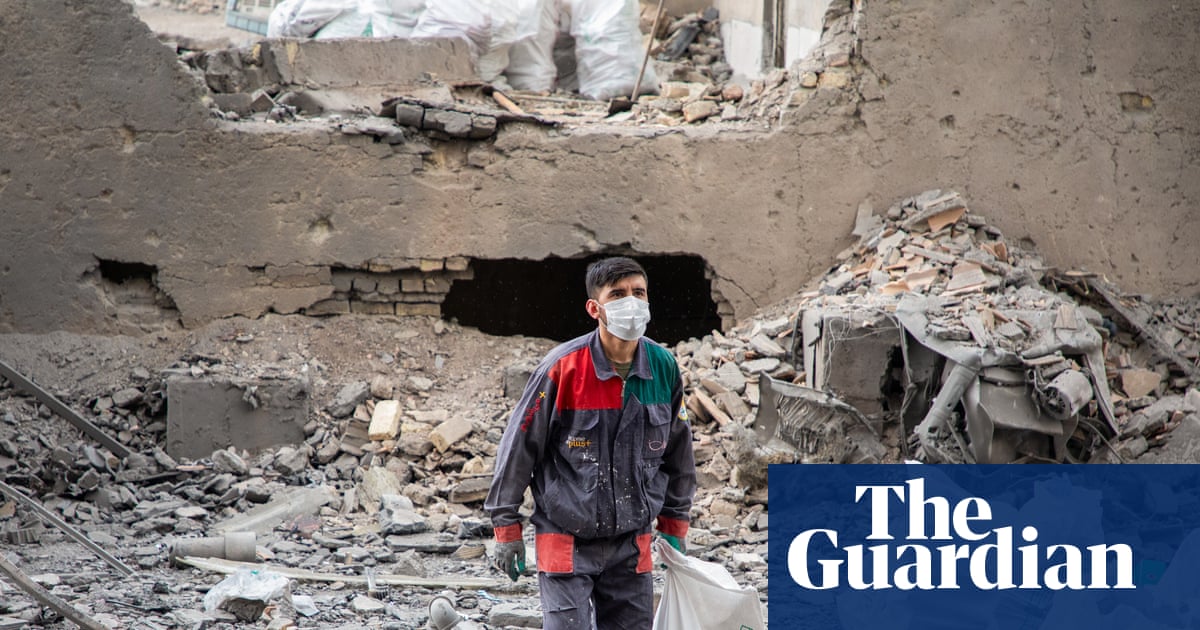
After 30 days of conflict, Iran warned it is prepared to confront any US ground assault and accused Washington of secretly plotting a land attack; the war has killed thousands and is described as causing the largest disruption to global energy supplies. President Trump said his “preference would be to take the oil” in Iran and signalled he had no problem with oil shipments to Cuba as a sanctioned Russian tanker arrived, complicating sanctions enforcement and oil flow dynamics. Implication for portfolios: elevated oil risk premia and higher volatility across energy and risk assets, favoring short-term risk-off positioning and safe-haven exposures while monitoring sanctions escalation and logistic disruptions to crude exports.
The current signal set (hawkish rhetoric + credible regional resistance) meaningfully raises the realized tail risk of a supply shock over the next 1–3 months. Mechanically, even a localized escalation will tighten spot crude and product markets via three channels: war-risk insurance surges (raising delivered cost per barrel by an estimated $1–3/bbl for rerouted voyages), time-charter spikes that remove VLCC/Suezmax capacity from the market, and refinery feedstock mismatch as buyers scramble for compliant grades — together these can translate into an 8–15% front-month Brent move on a moderate escalation and 20%+ on a major disruption.
A second-order flow to watch is sanction-arbitrage corridor creation in the Western Hemisphere. If enforcement frays, expect 100–300 kb/d of displaced barrels to re-route through non-traditional hubs (Caribbean/Gulf trans-shipments), supporting tanker rates and bunker demand while pressuring refiners unable to process heavier sour crudes. That pattern benefits asset-light midstream and tanker owners faster than integrated majors, and compresses product cracks in regions facing feedstock shortages.
Political fragmentation at home compresses the policy horizon and raises the probability of kinetic options being used sooner rather than later; conversely unified international sanctions or coordinated SPR releases are the logical de-escalation levers. Market inflection points to monitor in real time: incident reports in key chokepoints, IMO war-risk premium indices, Brent forward curve shape (contango flattening -> physical tightness), and any SPR announcements. Time horizons: shipping/insurance effects = days–weeks; oil-price and corporate earnings impact = 1–6 months.
AI-powered research, real-time alerts, and portfolio analytics for institutional investors.
Request DemoOverall Sentiment
strongly negative
Sentiment Score
-0.65
