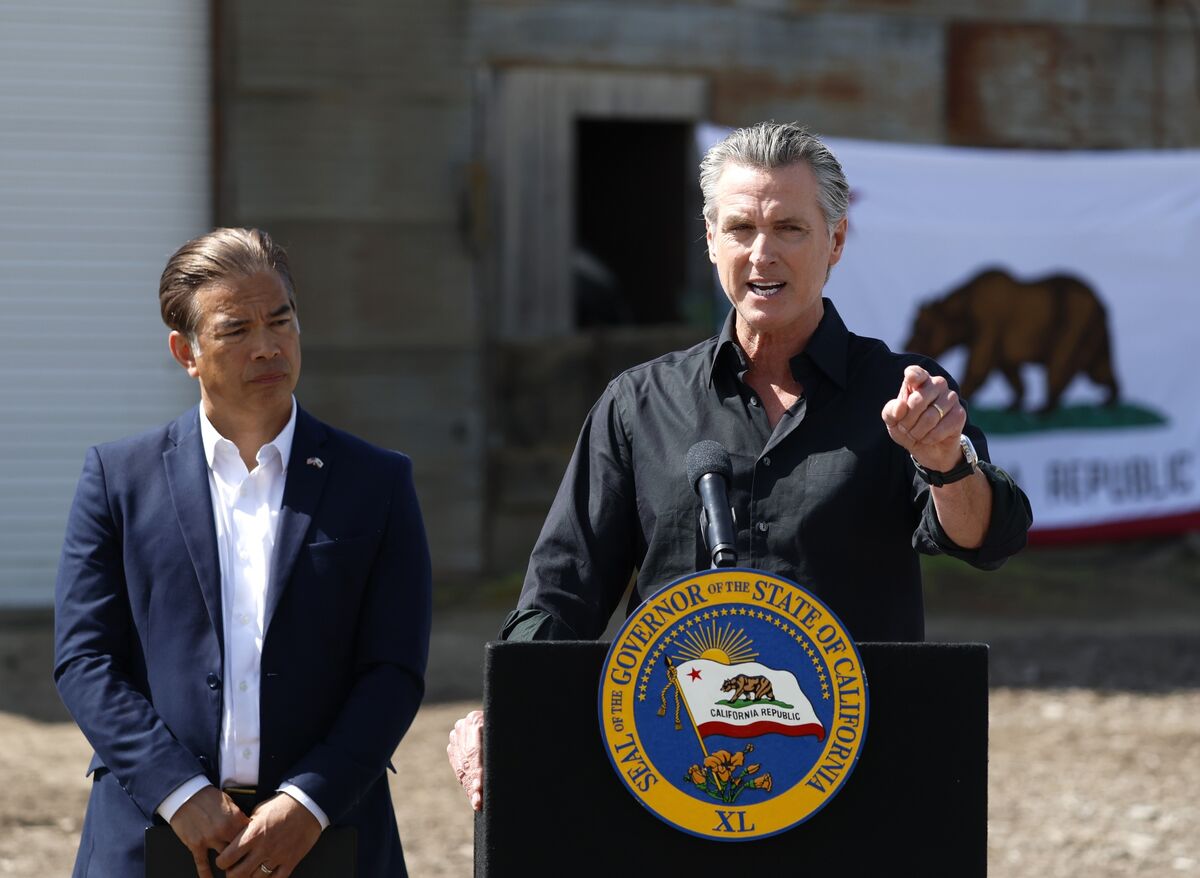
California has filed at least 37 lawsuits against the federal government within the first 200 days of Donald Trump's return to the White House, incurring $5 million in costs. This aggressive legal strategy, often led by Governor Gavin Newsom and in coalition with other Democratic states, underscores California's role as a primary challenger to federal policy and signals ongoing political and legal friction that could affect policy implementation.
California has engaged in a high-frequency legal campaign against the federal government, filing at least 37 lawsuits within the first 200 days of the Trump administration's return at a cost of $5 million. This sustained litigation, averaging more than one suit per week, establishes the state as a primary source of institutional resistance to the federal policy agenda. The effort is politically significant, led by Governor Gavin Newsom, a potential 2028 presidential candidate, and frequently involves coalitions with other large Democratic states such as New York and Illinois. This coordinated legal opposition creates a tangible source of regulatory friction and policy uncertainty, signaling that the implementation of federal initiatives could face significant delays, modifications, or outright blockage, thereby complicating the operating environment for entities subject to both state and federal oversight.
AI-powered research, real-time alerts, and portfolio analytics for institutional investors.
Request DemoOverall Sentiment
neutral
Sentiment Score
0.00
