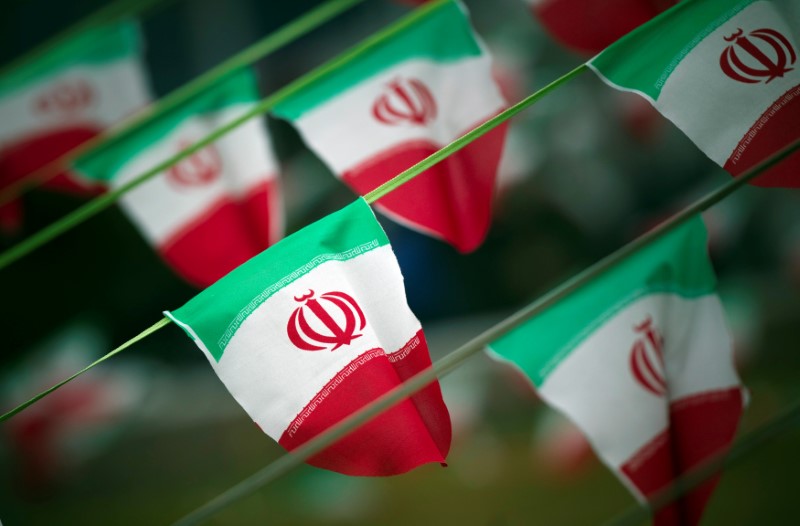
The International Atomic Energy Agency (IAEA) has withdrawn its inspectors from Iran, citing safety concerns and a new Iranian law suspending cooperation, effectively severing the agency's monitoring and verification activities in the country. This action, amid increased Iranian rhetoric and threats against IAEA officials, marks a significant escalation in tensions and a critical setback for international oversight of Iran's nuclear program.
The withdrawal of International Atomic Energy Agency (IAEA) inspectors from Iran represents a critical escalation in geopolitical risk and a severe breakdown of international nuclear oversight. This move, prompted by direct safety concerns including death threats against the IAEA's Director General, effectively severs on-the-ground monitoring and verification of Iran's nuclear activities. The situation is further institutionalized by new Iranian legislation, implemented by President Masoud Pezeshkian, which formally suspends cooperation with the agency. This development, occurring in the context of a recent conflict with Israel that had already restricted inspector access since June 13, introduces significant uncertainty into the global security landscape. The absence of IAEA verification capabilities will likely amplify concerns regarding Iran's nuclear program, increasing the geopolitical risk premium for assets tied to the Middle East and fueling market volatility, as reflected by the high market impact score of 0.7.
AI-powered research, real-time alerts, and portfolio analytics for institutional investors.
Request DemoOverall Sentiment
strongly negative
Sentiment Score
-0.75
