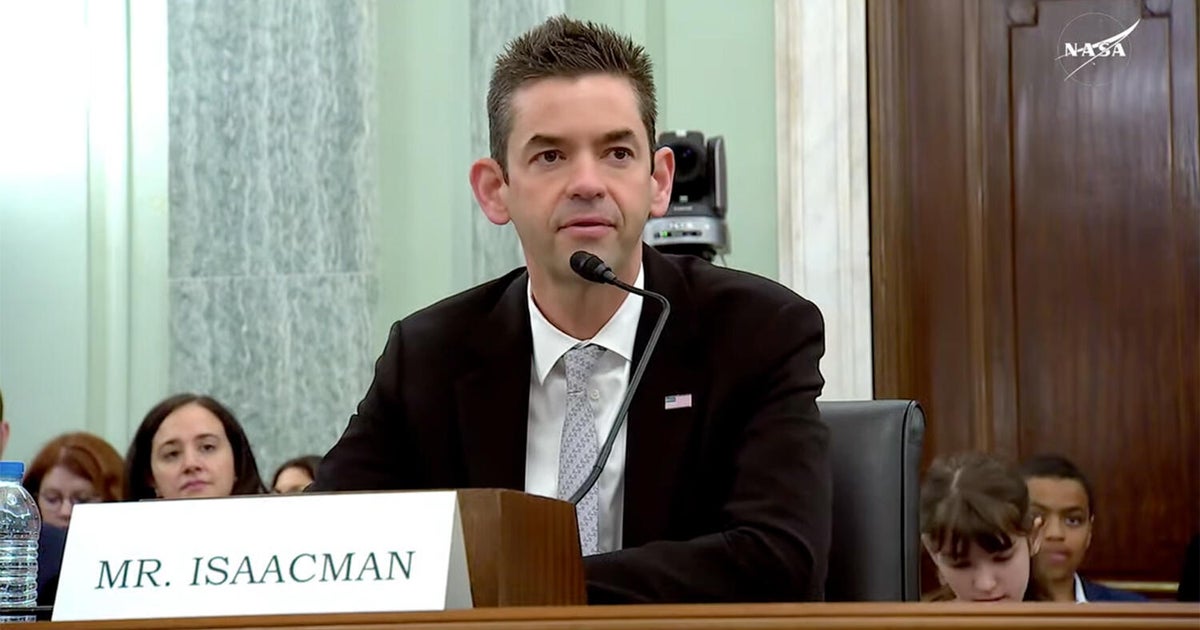
The Senate confirmed billionaire Jared Isaacman as NASA administrator in a 67-30 vote; Isaacman, a 42-year-old fintech entrepreneur who has flown twice on SpaceX missions and performed the first private spacewalk, has pledged to prioritize returning the U.S. to the Moon and to outpace China. He assumes leadership amid proposed major budget cuts, ongoing Artemis delays and questions about SpaceX's lunar lander readiness, developments that could affect contract timing and funding for aerospace suppliers and increase political scrutiny of NASA's program direction.
Market structure: Isaacman's confirmation materially raises the probability that NASA will lean further into commercial partnerships and favor SpaceX-aligned architectures for Artemis; expect accelerator flow to private launch/supply chains and public primes with commercial ties. Short-to-medium term winners are large defense/aerospace primes (Lockheed Martin LMT, Northrop Grumman NOC, RTX RTX) that win NASA/DoD cushions and suppliers certified to SpaceX; visible losers include legacy program-dependent contractors (Boeing BA) and small-cap independent launchers (RKLB, SPCE) facing pricing pressure. Pricing power will shift to providers embedded in Starship/crew logistics or national security launches, compressing margins for fringe launchers over 6–24 months.
Risk assessment: Tail risks include a rapid policy reversal from Congress (funding cuts or earmarks) or conflict-of-interest scrutiny that could delay procurements; low-probability but high-impact: major Starship test failure triggering program pauses and renewed bidding (3–12 months). Hidden dependencies include supply-chain concentration (Avionics, cryogenics suppliers) where single-vendor bottlenecks could force schedule slips and cost overruns for primes. Catalysts to watch in the next 90–365 days: FY2026 NASA appropriations, major Starship/HLS tests, and public statements from DoD about lunar/space force budgets.
Trade implications: Favor 6–18 month exposure to LMT and NOC via equity or call spreads (expect 10–25% upside if Artemis pacing accelerates); avoid or hedge BA (buy 6–12 month puts) because Boeing remains exposed to program loss and execution risk. Consider tactical short of RKLB or SPCE (1–3% book) where commercial launch pricing faces downward pressure; rotate into defense ETFs (ITA) by 2–5% to capture re-rating if bipartisan defense/space spend rises. Options: buy LMT Jan 2026 10–20% OTM call spreads funded by selling BA Jan 2026 5–10% OTM call credit to limit cash outlay and express asymmetric upside.
Contrarian angles: Consensus assumes SpaceX wins everything; that underestimates political appetite to diversify supply (congressional pressure could force contracts to other US suppliers) — a 20–30% reallocation to non-SpaceX contractors is plausible over 2–4 years. If Isaacman prioritizes speed over redundancy, schedule slippage risk rises, creating short-term buying opportunities in well-capitalized primes; conversely, overexposure to small-cap launch names is likely overdone. Historical parallel: post-Apollo contractor consolidation led to multi-year winners among diversified primes — position size accordingly and avoid concentration risk.
AI-powered research, real-time alerts, and portfolio analytics for institutional investors.
Request DemoOverall Sentiment
neutral
Sentiment Score
0.00
