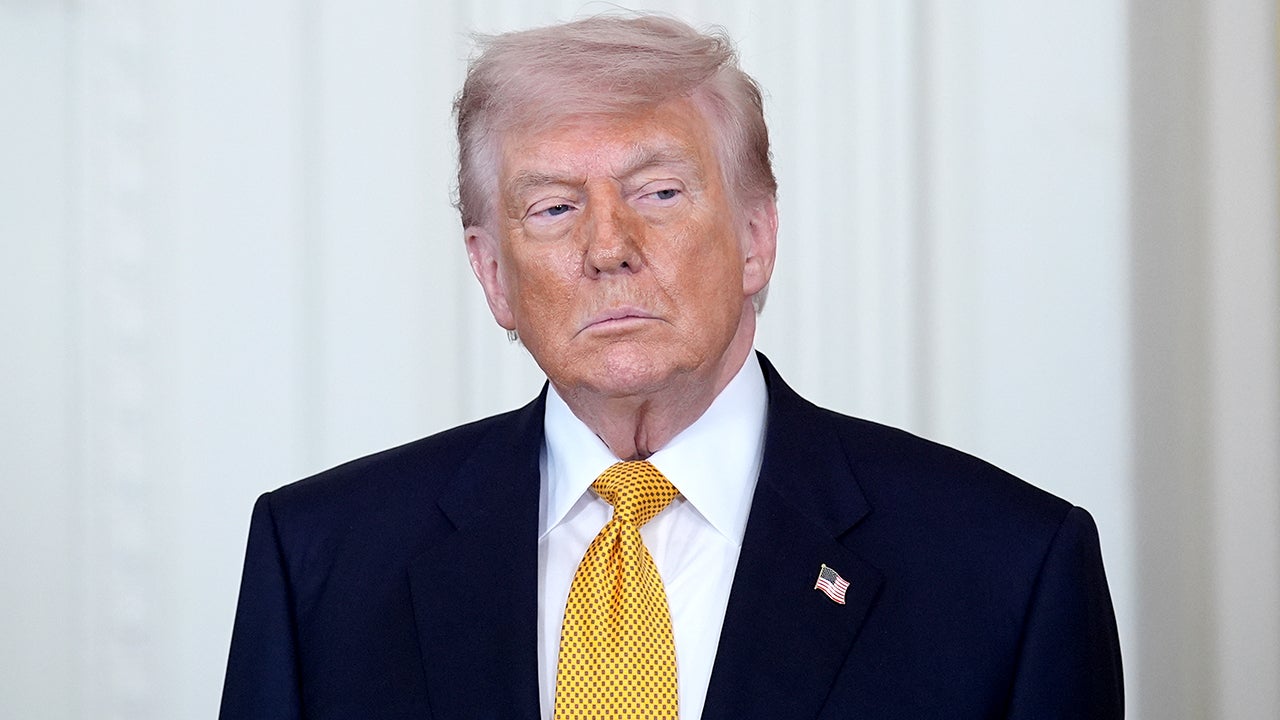
U.S.-Iran hostilities escalated after Iranian missile and drone attacks in the Strait of Hormuz prompted U.S. retaliatory strikes on Iranian ports and targets, while CENTCOM said it is blocking more than 70 tankers from entering or leaving Iranian ports. The blockade affects over 166 million barrels of capacity worth an estimated $13 billion-plus, posing a significant risk to global oil flows and shipping through a key chokepoint. Trump said the strikes were a "love tap" and that a ceasefire is in effect, but the situation remains highly volatile.
The market is moving from a one-off headline shock to a structural logistics stress test. The key second-order effect is not just higher crude volatility, but the weaponization of shipping capacity: if transit risk rises in the Strait, the bottleneck shifts from barrels in the ground to barrels that can actually move, which widens regional dislocations versus global benchmarks and lifts marine insurance, charter rates, and tanker optionality almost immediately.
The most actionable read-through is that energy is no longer a clean long-beta trade; it becomes a relative-value trade between upstream producers with protected cash flows and downstream/refining/logistics names exposed to input cost spikes and route disruption. Empty VLCCs being used as floating storage is a strong signal that the system is already absorbing slack capacity, so any prolonged blockade risk creates nonlinear effects in inventory availability, freight, and Middle East crude pricing before it shows up in headline Brent.
The biggest tail risk over the next days is escalation by miscalculation: one damaged commercial ship, one casualty event, or one missile that lands near a critical export corridor can force a regime shift from contained retaliation to broader maritime exclusion. Over weeks, the more interesting reversal catalyst is diplomatic compression driven by the economic cost to both sides of maintaining a quasi-blockade; if that happens, volatility collapses faster than spot prices because options premium is repriced on reduced tail probability.
Consensus is likely overestimating how quickly physical oil flows can normalize. Even if military activity de-escalates, insurers, shipowners, and commodity traders will price the route as impaired for longer than the headlines suggest, which means the trade is less about directional oil and more about duration of friction. The underappreciated winner is any asset that monetizes scarcity of transport capacity rather than scarcity of crude itself.
AI-powered research, real-time alerts, and portfolio analytics for institutional investors.
Request DemoOverall Sentiment
strongly negative
Sentiment Score
-0.68
