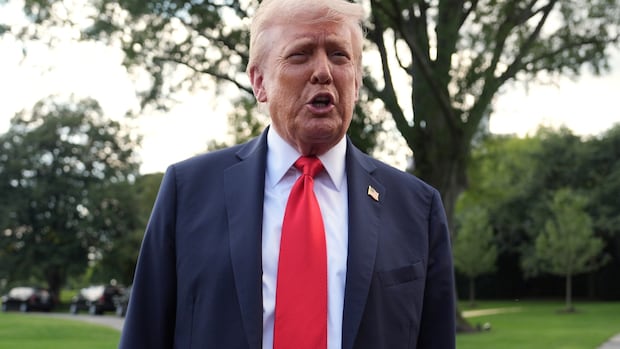
Former U.S. President Donald Trump urged NATO members to cease Russian oil purchases and impose 50-100% tariffs on China for its Russian petroleum imports, asserting these measures would end the Ukraine conflict. Beijing promptly rejected the proposal, stating sanctions only complicate problems. This aggressive stance, contrasting with ongoing allied efforts to cut Russia's war funding and set against a backdrop of previous U.S.-China trade disputes, signals potential for significant global economic disruption and heightened trade tensions if such policies were pursued.
A proposal from the U.S. president for NATO to cease all Russian oil purchases and for the imposition of 50-100% tariffs on China presents a significant escalation in economic pressure, carrying high potential for global market disruption. This aggressive stance is underscored by a history of severe trade actions, including a prior 145% U.S. tariff on Chinese goods that prompted a 125% retaliation and was described as an "essential blockade on commerce." Beijing's immediate rejection of the proposal, coupled with the fact that key NATO members like Turkey, Hungary, and Slovakia continue to purchase Russian oil, highlights substantial hurdles to implementing such a strategy. While allied G7 discussions are ongoing to increase pressure on Russia, they appear to be following a more measured path, suggesting a divergence from the U.S. president's call for immediate, drastic action. The existing 50% U.S. tariff on India for its Russian energy purchases indicates a willingness to use trade as a geopolitical weapon, reinforcing the high market impact score of 0.7 and the moderately negative sentiment associated with these developments.
AI-powered research, real-time alerts, and portfolio analytics for institutional investors.
Overall Sentiment
moderately negative
Sentiment Score
-0.50
