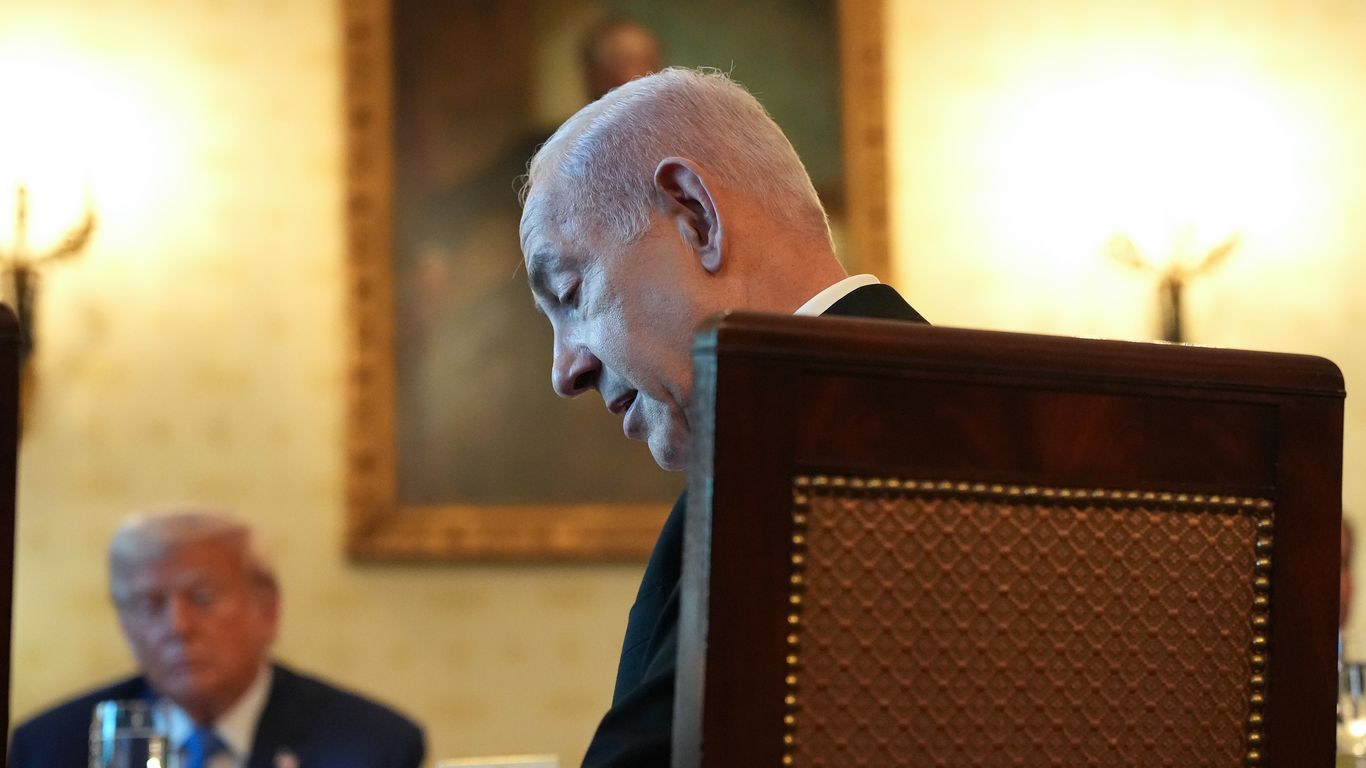
Israeli Prime Minister Benjamin Netanyahu formally apologized to Qatar for a recent strike in Doha that violated sovereignty and killed a security officer, fulfilling a key Qatari condition to resume mediation efforts for a Gaza ceasefire and hostage release deal. This U.S.-brokered apology, made during a trilateral call hosted by President Trump, is expected to facilitate progress toward a comprehensive regional agreement, potentially easing geopolitical tensions and impacting market stability.
A significant diplomatic development has occurred with Israeli Prime Minister Netanyahu's apology to Qatar for the recent strike in Doha, a move brokered during a trilateral call hosted by U.S. President Trump. This apology fulfills a critical precondition set by Qatar for resuming its mediation role in negotiations between Israel and Hamas. The event signals a potential pathway to de-escalation, increasing the likelihood of a ceasefire and hostage release deal. While the initial September 9 strike was a tactical failure, it paradoxically appears to have accelerated diplomatic efforts toward a comprehensive regional agreement. However, the situation remains fluid, as indicated by the domestic political backlash Netanyahu faces from his hard-right coalition, which introduces execution risk for any forthcoming deal. The high market impact score of 0.65 underscores the event's importance, suggesting that progress toward a resolution could meaningfully reduce the geopolitical risk premium currently embedded in global markets.
AI-powered research, real-time alerts, and portfolio analytics for institutional investors.
Request DemoOverall Sentiment
moderately positive
Sentiment Score
0.45
