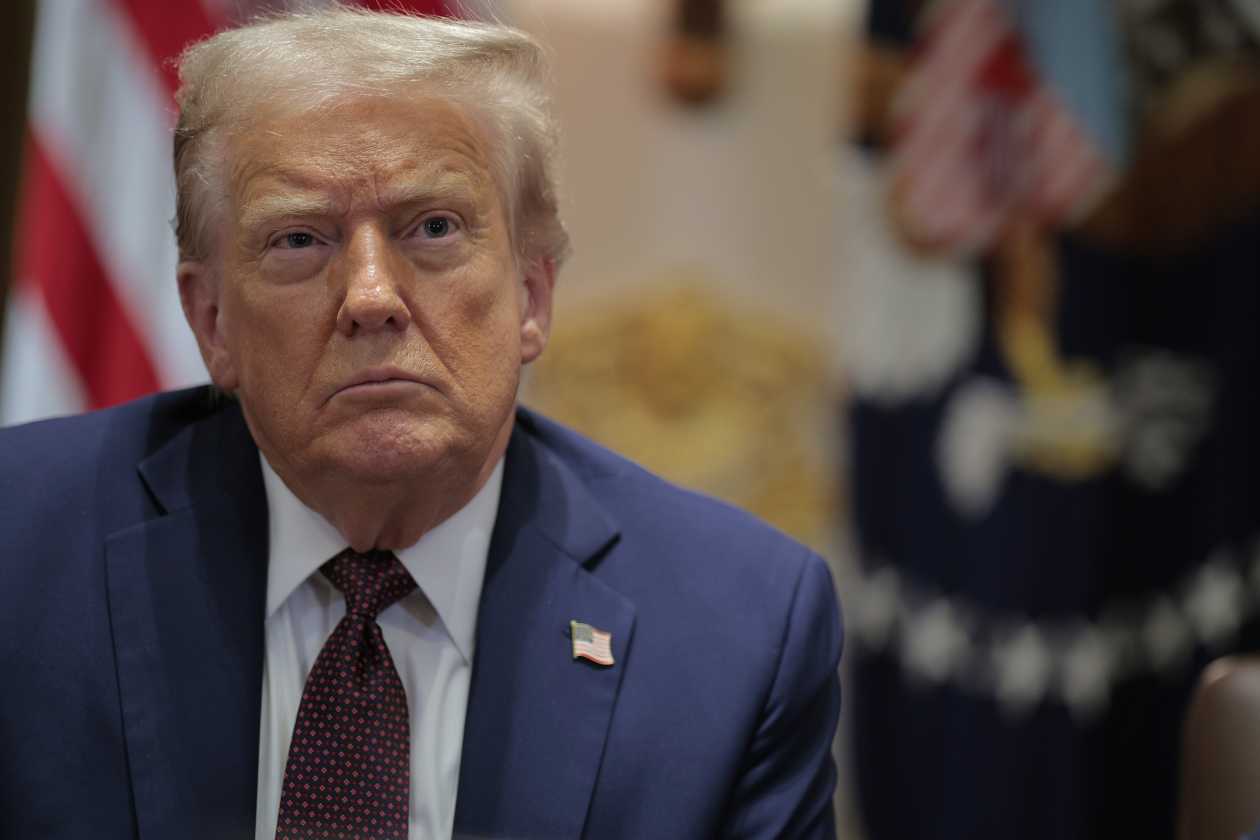
President Trump's efforts to lower U.S. interest rates, including attempts to exert greater control over the Federal Reserve and potentially remove Governor Lisa Cook, are facing a collision course with the government bond market. While the Fed dictates short-term rates, market forces govern longer-term borrowing costs, prompting bond investors to adopt a "wait-and-see" approach as political influence confronts market-driven dynamics.
A significant tension is emerging between political objectives for monetary policy and the mechanisms of the global bond market. The administration's push for lower interest rates, including exerting pressure on the Federal Reserve and its governors, directly confronts the market's role in setting long-term borrowing costs. While the Federal Reserve controls the short end of the yield curve, longer-term rates are fundamentally dictated by market forces, including investor sentiment, inflation expectations, and perceived sovereign risk. The current "wait-and-see" posture adopted by bond investors, combined with the situation's moderately negative sentiment and high market impact score, indicates a period of heightened uncertainty. Any perceived erosion of Federal Reserve independence could lead to investors demanding a higher risk premium on U.S. government debt, potentially driving long-term yields higher and counteracting the administration's stated policy goals.
AI-powered research, real-time alerts, and portfolio analytics for institutional investors.
Request DemoOverall Sentiment
moderately negative
Sentiment Score
-0.40
