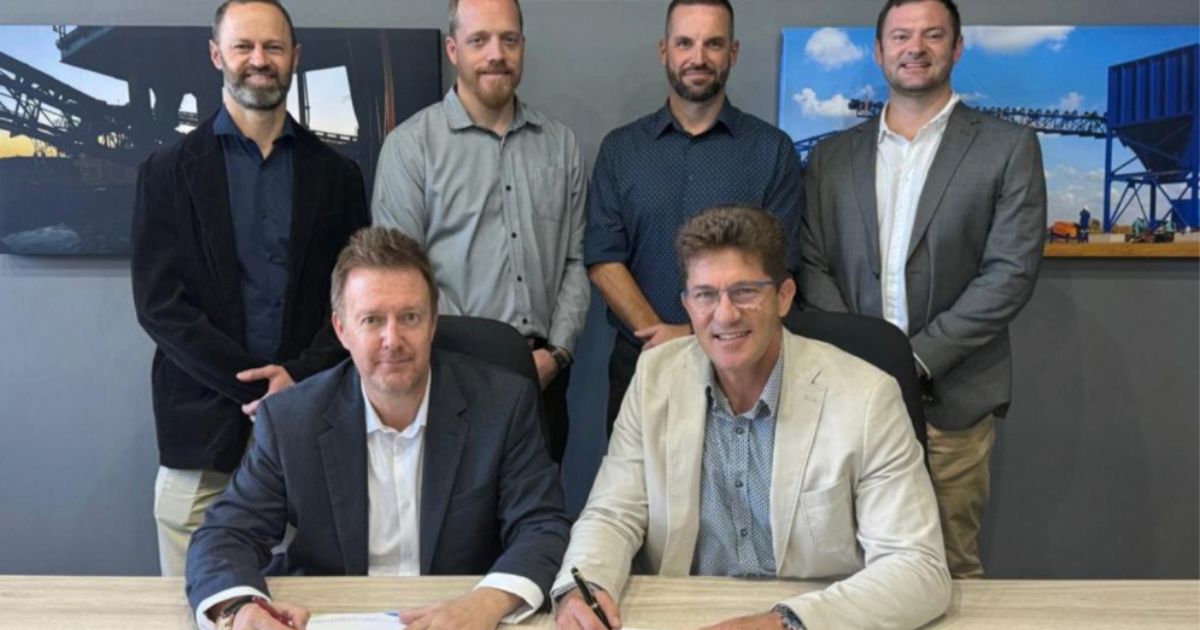
Lindian Resources’ optimisation of the Kangankunde processing flow sheet boosts pre-tax NPV by A$536m to A$2.3bn and lifts IRR from 99% to 142%, while increasing monazite concentrate output to 20,000 tpa from 15,300 tpa. Capex for Stage One remains ~US$40m, Obsidian has been awarded the EPC contract with mobilisation expected early 2026, and a Pacifico-led study is underway to scale output toward 100,000 tpa; the market reacted with an ~7% share rise as demand from refiners for ~55% TREO feedstock was highlighted.
Market structure: Lindian (ASX:LIN / OTC:LINIF) is the clear near-term winner — A$536m NPV uplift to A$2.3bn, IRR 142% and +31% production (15.3k→20k tpa) materially improve funding and offtake leverage versus small explorers. Refiners that buy 55% TREO monazite concentrate gain negotiating power on feedstock pricing if Lindian moves to market; incumbents supplying low-grade bastnaesite/oxides are at risk of margin squeeze. Cross-asset: improved project de-risking should compress junior mining credit spreads, marginally tighten LIBOR/credit for Malawian sovereign risk, and cap near-term upside in spot concentrate prices as future supply visibility improves.
Risk assessment: Key tail risks are metallurgical scale-up failure (single-stage crushing/cyclone changes), thorium-bearing waste/regulatory pushback, capex inflation beyond US$40m, and Malawi political/regulatory shifts — each could flip IRR by >20 percentage points. Time horizons: immediate (days) — share-price repricing; short (3–9 months) — EPC mobilisation (early 2026) and potential small offtake MOUs; long (12–36 months) — commissioning, financing and any Pacifico-led 100k tpa study outcomes. Hidden dependencies include availability of global refiners willing to finance upstream and radioactive waste permitting timelines that can add 6–18 months.
Trade implications: Direct: establish a modest 2–3% portfolio long in ASX:LIN (buy equity) sized to conviction, using 12–18 month call spreads to cap premium (e.g., buy Dec-2026 0.50-delta calls, sell Dec-2027 higher-strike calls). Pair trade: long LIN vs short a diversified junior rare-earth explorer ETF or Arafura (ASX:ARU) 1–2% notional — LIN is nearer-term de-risked production while ARU faces longer funding risk. Sector rotation: increase upstream critical-minerals small-caps by +1–2% funded by trimming broad base metals exposure (copper explorers) where demand is more elastic.
Contrarian angles: Consensus misses thorium/regulatory execution risk and the potential for refiners to extract price concessions; the market’s ~7% pop may be underpricing delayed permitting risk but could be overpricing seamless execution. Historical parallels: other rare-earth juniors have seen NPV uplifts then funding failures (e.g., project delays adding >12 months); if mobilisation slips past H1 2026, downside could exceed current market premium. Watch for early-stage offtake financing terms that dilute equity or lock-in below-market prices — that would materially reduce upside.
AI-powered research, real-time alerts, and portfolio analytics for institutional investors.
Request DemoOverall Sentiment
strongly positive
Sentiment Score
0.75
