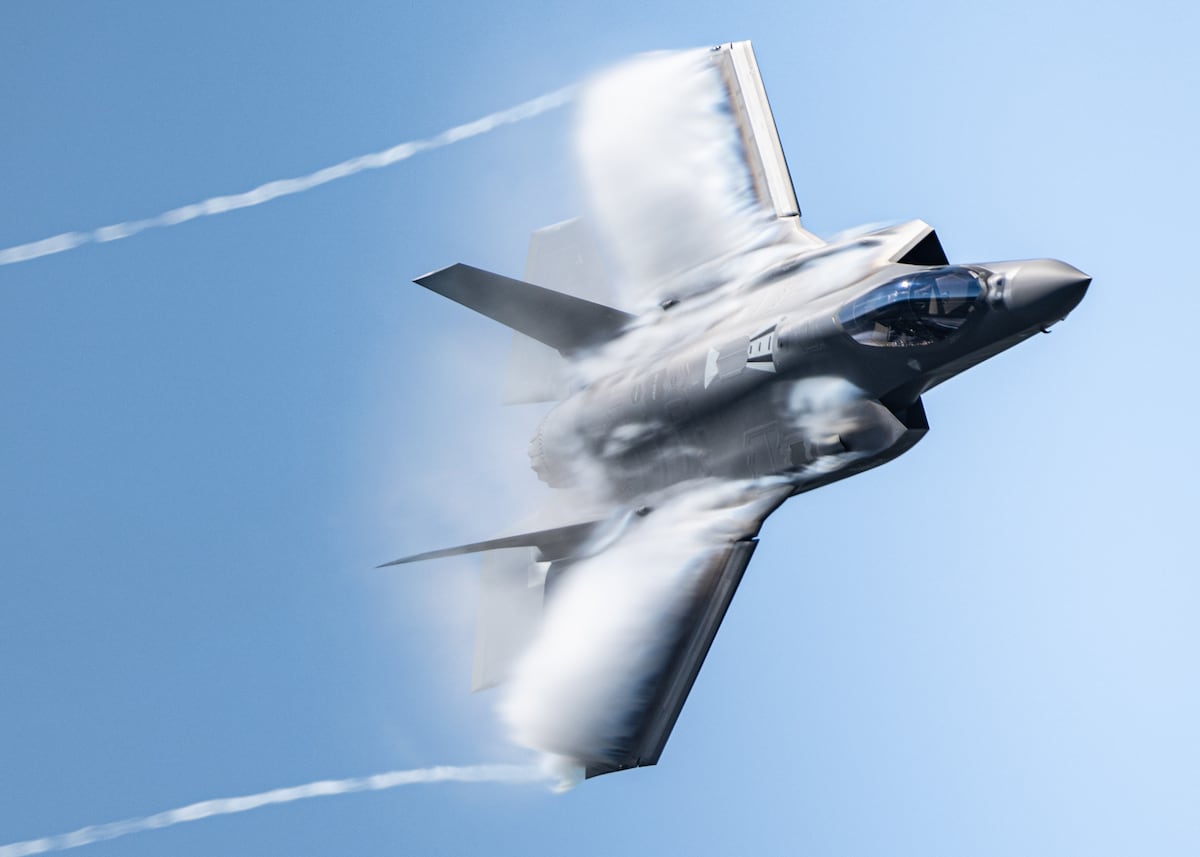
European authorities have recorded 14 unidentified drone sightings across the continent in the last two months, with the latest incidents occurring near Belgium's Kleine Brogel air base, a site reportedly housing U.S. tactical nuclear weapons. Belgian Defense Minister Theo Francken characterized these as potential 'spy operations' involving reconnaissance and destabilization efforts. These drone incursions, concentrated along NATO's northern flank and targeting military installations, represent a significant wave of aerial activity across several European countries since the fall.
European authorities have recorded 14 unidentified drone sightings over the past two months, with a notable concentration along NATO's northern flank. The latest incidents involved drones near Belgium's Kleine Brogel air base, a site reportedly housing U.S. tactical nuclear weapons, which Belgian Defense Minister Theo Francken characterized as a potential 'spy operation' aimed at testing frequencies and destabilizing the area. These incursions, often occurring at night and in formations, primarily targeted military installations and dual-use airports.
The pattern of these drone activities, which peaked between September 20 and October 5 across multiple countries including Denmark, Norway, and Germany, suggests a coordinated effort. The targeting of sensitive military sites, including those with strategic assets like nuclear weapons and advanced fighter jets (F-16s, F-35s), indicates a focus on reconnaissance and potential intelligence gathering. This sustained aerial surveillance raises significant security concerns for European nations.
While the immediate market impact is assessed as low (0.15), the general sentiment is mildly negative (-0.15) with an uncertain tone, reflecting heightened geopolitical risk. The incidents underscore an evolving threat landscape in Europe, potentially influencing defense budgets and strategic alliances. The targeting of Denmark, for instance, was linked to its EU Council presidency, suggesting political motivations behind some incursions.
The ongoing nature of these events, despite a slight slowdown after the initial wave, points to persistent security challenges. This situation could lead to increased investment in counter-drone technologies and enhanced air defense systems across NATO member states. The lack of identified perpetrators adds to the uncertainty, complicating geopolitical responses and risk assessments.
AI-powered research, real-time alerts, and portfolio analytics for institutional investors.
Request DemoOverall Sentiment
mildly negative
Sentiment Score
-0.15
