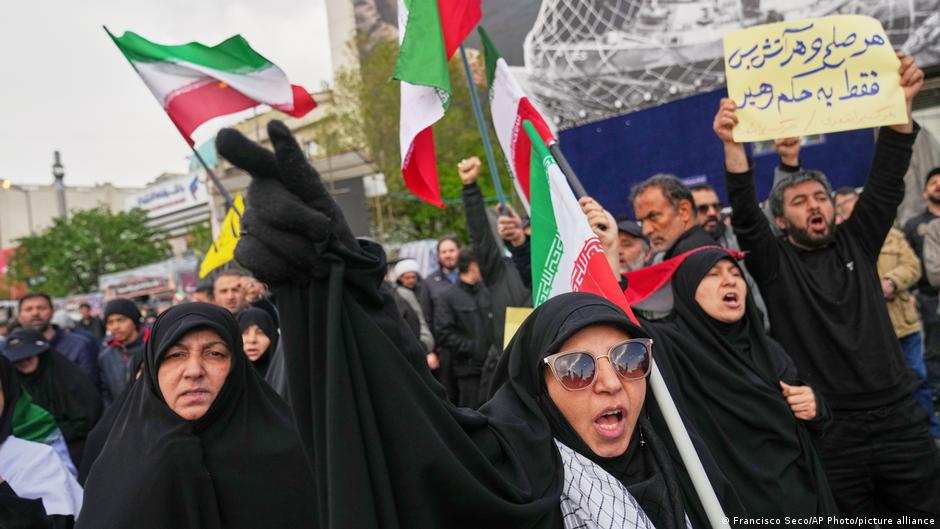
A two-week ceasefire was agreed between the US and Iran, contingent on Iran reopening the Strait of Hormuz and with Pakistan set to host follow-up talks starting Friday. Despite the truce, Iran conducted drone/missile strikes on Kuwait and the UAE (Kuwait reported 28 intercepted drones) and attacks on Gulf energy infrastructure continued. Jet fuel prices have more than doubled (~100%+) since the conflict began and IATA warns recovery of jet-fuel/refining capacity could take months even if shipping resumes. The ceasefire lowers immediate tail risk but the fragile, contested agreement and ongoing strikes keep energy and regional risk premia materially elevated.
The market is pricing a near-term de-escalation that underestimates persistent structural shocks to regional energy and logistics hubs. Damage to refining and storage nodes produces multi-month friction in refined product availability even if crude flows normalize quickly; that implies prolonged wide crack spreads and elevated jet-fuel and marine bunker prices for 2–6 months, not days.
Shipping and insurance markets will see asymmetric winners: owners of modern, large tankers and owners of AIS-obfuscated tonnage capture outsized spot rate gains if routing avoids the Strait, while flag-state carriers and smaller regional players face client losses and higher reinsurance costs. Freight-rate spikes are front-loaded and can compress quickly if diplomatic progress becomes durable, creating a high-convexity playbook for short-duration tactical trades.
Defense and security-services vendors gain from both acute demand (urgent replenishment of missile-defense, air defenses) and a multi-year re-architecture of Gulf security; procurement timelines mean revenue acceleration will materialize over 6–18 months. Conversely, airline operators and regional logistics providers face margin compression and network reconfiguration costs that could reduce earnings by mid-to-high single digits through the summer unless hedges are recouped.
The obvious ‘relief rally’ risk is a false calm: persistent localized strikes, exclusion of adjacent theaters from any cease arrangement, or snap-backs in targeting of energy infrastructure could reprice oil and insurance instantly. Time arbitrage — short-dated volatility vs medium-term structural exposure — is the highest-expected-value frontier right now.
AI-powered research, real-time alerts, and portfolio analytics for institutional investors.
Request DemoOverall Sentiment
mixed
Sentiment Score
0.00
