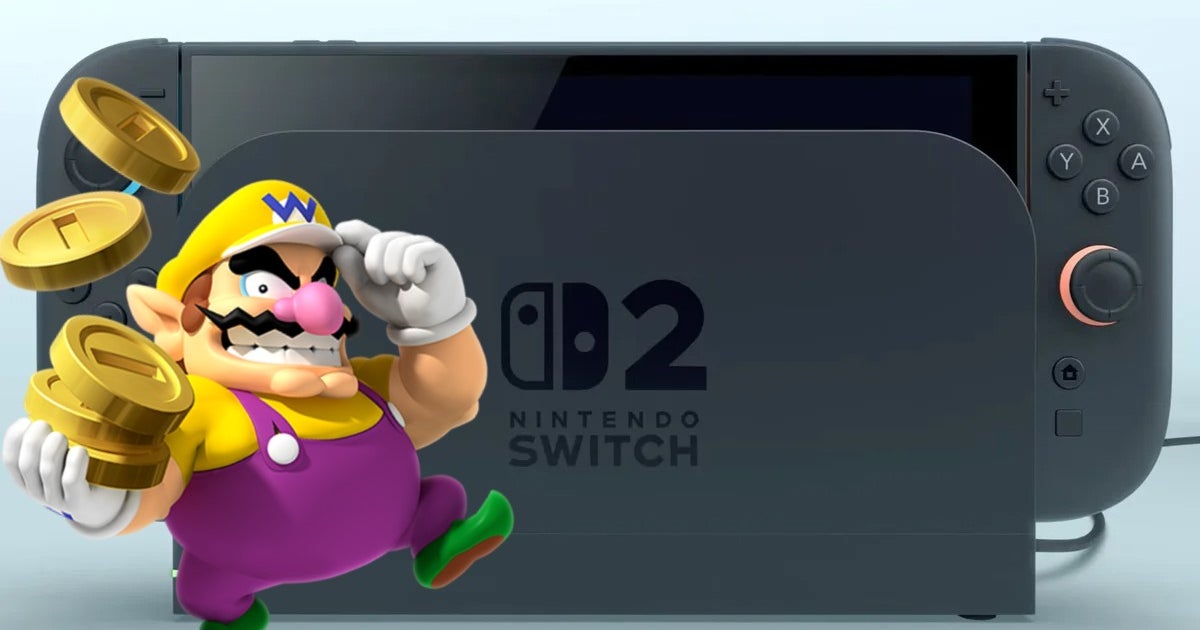
Nintendo raised the Switch 2 price from €470 to €500 in Europe and from $450 to $500 in the US, effective 1 September, citing persistently high memory and component costs plus FX and oil-related pressures. Management said these cost pressures could affect profitability not only this year but next year as well, prompting a pricing change to protect hardware margins. Nintendo also lowered year-two Switch 2 sales expectations to 16.5 million units after a strong first year of nearly 20 million units sold.
This is less about a one-off price adjustment and more about Nintendo admitting hardware economics are being re-anchored by upstream input inflation. The key second-order effect is that the console cycle is no longer being subsidized by a falling-cost curve; if memory and FX remain sticky, the entire industry has less room to use price cuts as a growth lever. That structurally favors software monetization, first-party content, and accessory attach over pure unit growth, while compressing the valuation case for any business still underwriting console penetration assumptions. The near-term winner is the component and memory supply chain with pricing power, but the larger beneficiary may be the broader gaming ecosystem that can monetize the same installed base at a higher ARPU without relying on cheap hardware. The losers are price-sensitive households and late adopters, especially in Europe and the US, where the incremental sticker shock arrives after launch excitement has already cooled. That raises the probability that year-two demand is weaker than consensus models expect, not because the product is less desirable, but because the launch cohort was pulled forward and the marginal buyer is more elastic. The main catalyst path is earnings guidance over the next 1-2 quarters: if management keeps flagging multi-quarter cost pressure, the market should start discounting a prolonged margin headwind rather than treating this as a one-time reset. A more bearish setup emerges if software cadence fails to compensate for a slower hardware flywheel, since a softer install base growth rate can impair the whole first-party ecosystem in 2026-2027. Conversely, any easing in memory/FX would likely trigger a sharp relief rally because the market has begun to price in structural rather than cyclical inflation. Consensus may be underestimating how much this matters for the console business model more broadly: once base hardware starts rising in price post-launch, investors should assume lower elasticity to future price hikes and weaker lifetime hardware subsidy economics. That is ultimately supportive for publishers with platform-agnostic content and harmful for names whose equity story still depends on unit expansion through accessible entry pricing.
AI-powered research, real-time alerts, and portfolio analytics for institutional investors.
Request DemoOverall Sentiment
mildly negative
Sentiment Score
-0.22
