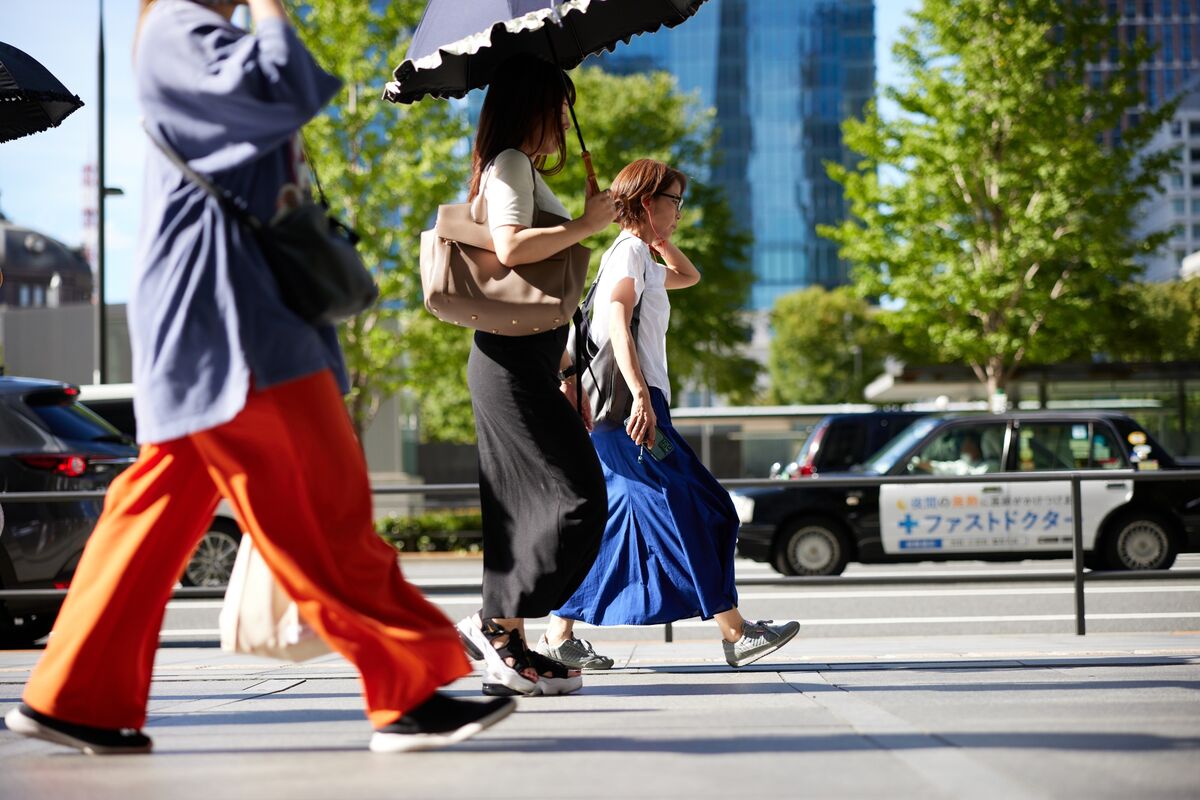
Japan's annual wage negotiations concluded with an average 5.25% increase for workers at Rengo-affiliated companies, marking the largest gain in 34 years. This final figure, while slightly below preliminary reports, strongly supports the Bank of Japan's view of an emerging wage-price cycle, a critical development for its monetary policy outlook.
Japan's final 2024 wage negotiations have solidified a key pillar for the Bank of Japan's monetary policy outlook, concluding with an average pay increase of 5.25%. While this figure is a slight downward revision from the preliminary 5.46% reported in March, it unequivocally marks the most substantial wage gain in 34 years, reinforcing the central bank's assessment that a sustainable wage-price cycle is materializing. This outcome provides critical validation for the BoJ's decision to end its negative interest rate policy and suggests a higher probability of further policy normalization. For markets, this serves as a strong signal that the structural deflationary pressures that have defined Japan's economy for decades are abating, shifting the fundamental landscape for Japanese assets.
AI-powered research, real-time alerts, and portfolio analytics for institutional investors.
Request DemoOverall Sentiment
strongly positive
Sentiment Score
0.75
