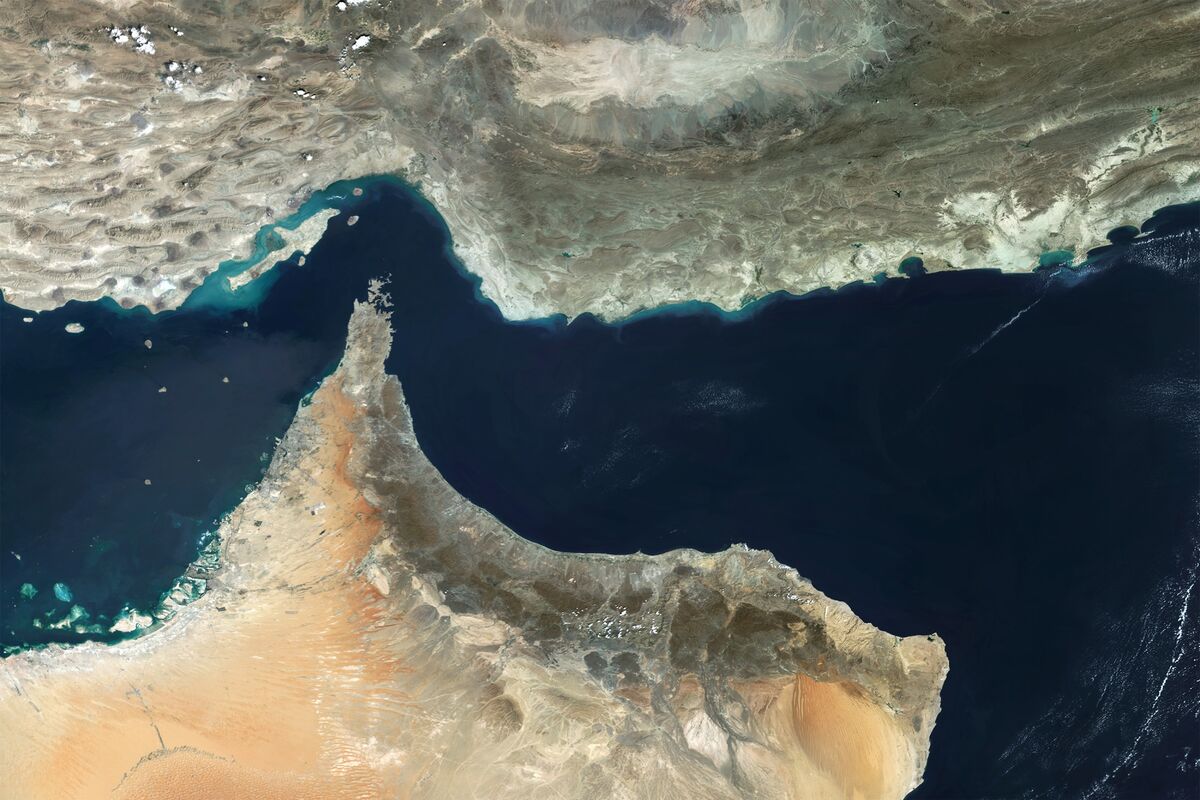
Three vessels were struck by suspected projectiles in the Strait of Hormuz and the Persian Gulf — a cargo ship off Oman, a container vessel west of Ras Al-Khaimah and a bulk carrier northwest of Dubai. A fire on the cargo ship was extinguished, there is no reported environmental impact and a skeleton crew remains aboard; the incidents raise elevated regional shipping risk, with potential upward pressure on insurance costs and short-term energy/transport volatility.
Immediate market mechanics will be driven by a rapid re-pricing of maritime risk premia rather than a fundamental, long-run oil shortage. Rerouting around choke points (Cape of Good Hope) typically adds ~7–10 days and 15–25% incremental bunker and time-on-water costs per voyage, which translates into a sharp, non-linear increase in spot tanker TCEs and container time-charter earnings over days–weeks. Tanker owners with low marginal cash costs and short-charter exposure capture most of that upside; shippers on long-term contracts are largely insulated in the near term.
Second-order supply-chain effects matter for equities and credit: elevated transit times exacerbate inventory drawdowns for just-in-time manufacturers and increase working-capital needs for large retailers, effectively acting like a short, temporary liquidity shock to their earnings over 1–3 quarters. Marine insurers, P&I clubs and security contractors face ratcheting premiums quickly (quarterly renewals), creating a margin tailwind to select service providers. Defense primes win multi-quarter order-visibility if governments formalize escort programs, while refiners can see temporarily higher crack spreads if crude export frictions create regional crude tightness.
Key catalysts and tail risks are binary and time-sensitive. De-escalation (diplomatic talks, effective convoy protection) can compress premia inside 2–4 weeks; escalation or successful strikes forcing prolonged re-routing pushes impacts out to months and creates political pressure for SPR releases, which would blunt price effects. Monitoring windows: 0–14 days for insurance and spot-rate spikes, 14–90 days for inventory/earnings hits at vulnerable corporates, and 90–360 days for capex and defense procurement responses that embed into public company revenues.
AI-powered research, real-time alerts, and portfolio analytics for institutional investors.
Request DemoOverall Sentiment
mildly negative
Sentiment Score
-0.30
