The EU and US have struck a trade deal imposing a 15% tariff on most EU exports to the US, half the rate previously threatened, in exchange for the EU purchasing more American energy and reducing taxes on some imports. This agreement, while averting a full trade war, has been met with largely negative reactions from major EU economies like Germany and France, who view it as economically damaging or a form of 'submission,' despite some acknowledging it as 'damage control' and the 'best deal' achievable under difficult geopolitical circumstances. The terms signify an economic blow to EU exporters, albeit less severe than initially feared, highlighting the bloc's challenging negotiating position.
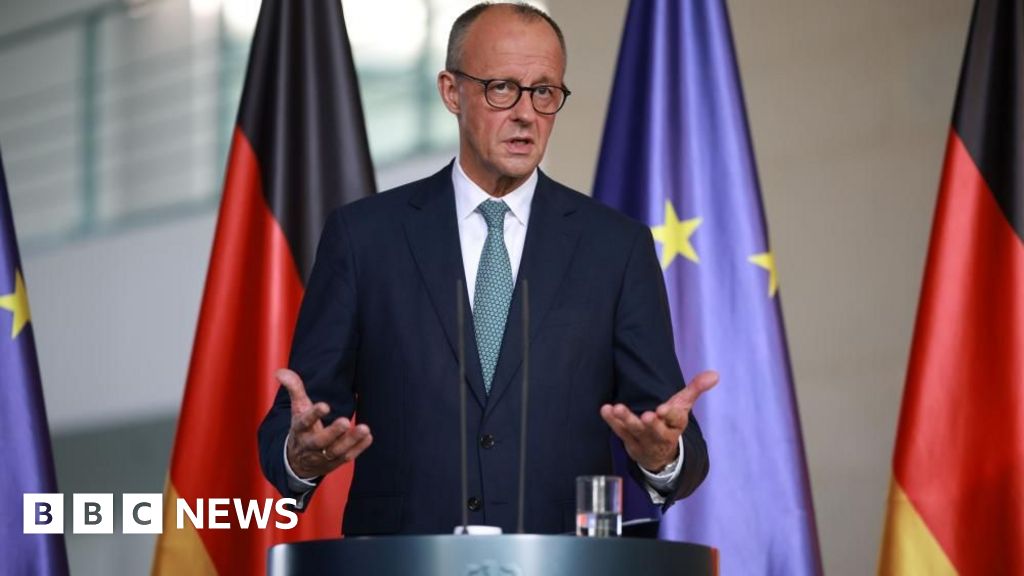
The new EU-US trade agreement, which imposes a 15% tariff on most EU exports in exchange for increased EU purchases of US energy, represents a significant geopolitical compromise rather than a mutually beneficial economic pact. While the deal averts a threatened 30% tariff and a full-scale trade war, its reception has been overwhelmingly negative among Europe's core economic powers. German Chancellor Friedrich Merz anticipates 'substantial damage' to his nation's finances, and French Prime Minister Francois Bayrou described it as 'submission,' reflecting deep dissatisfaction with the terms. The consensus among EU leadership, including figures like Manfred Weber who termed it 'damage control,' is that this was the 'best deal' possible under duress, with the EU's trade commissioner explicitly linking the concession to the 'additional price' of maintaining geopolitical alignment with the US amidst the Ukraine war. This sentiment is mirrored by US business interests; the National Foreign Trade Council, while welcoming the avoidance of a trade war, warned the tariff could 'erode trust long term' and noted that key industries like aerospace and pharma thrived under the previous tariff-free regime. The agreement leaves unresolved issues, such as the EU's 'discriminatory digital agenda,' indicating that underlying trade frictions persist despite the new framework.
AI-powered research, real-time alerts, and portfolio analytics for institutional investors.
Overall Sentiment
moderately negative
Sentiment Score
-0.50
