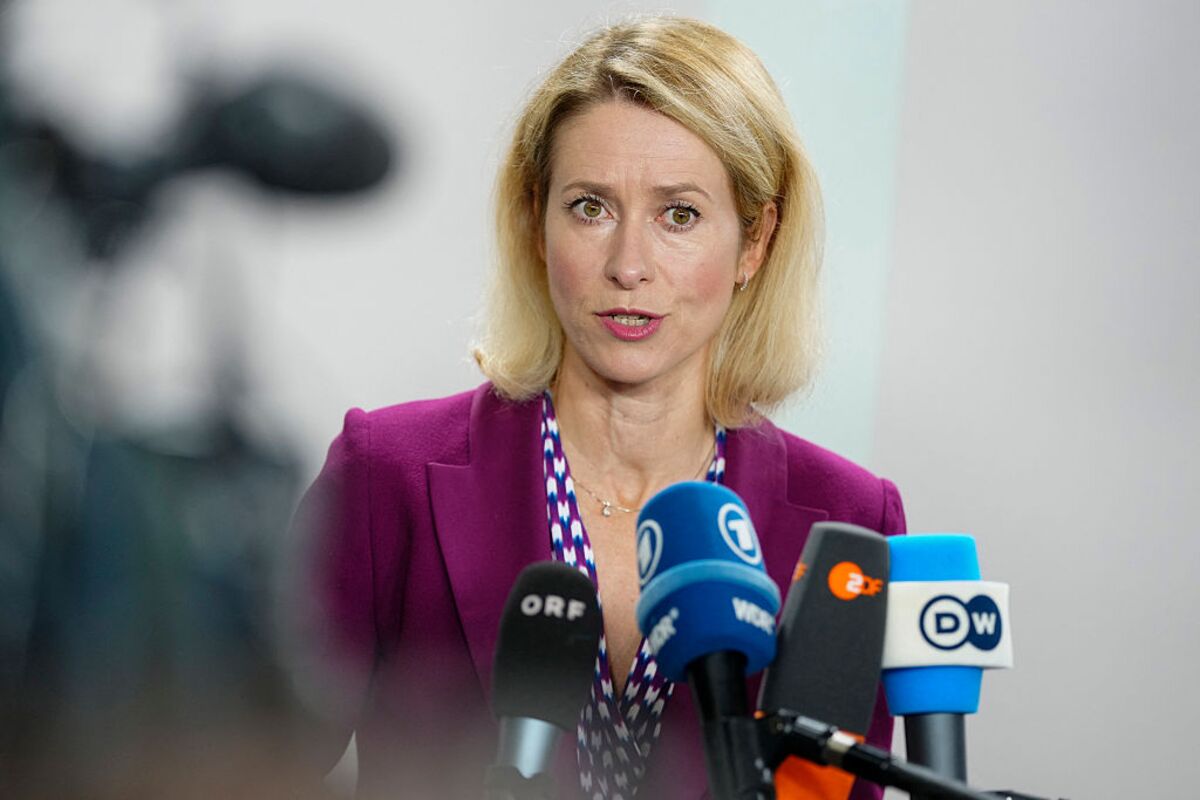
The European Union is exploring legal avenues to transition from unanimous to qualified majority voting for foreign policy decisions, a move aimed at accelerating its response capabilities. This initiative, driven by a dozen member states and prompted by recent blockages, notably Hungary's opposition to Ukraine-related actions, could significantly enhance the EU's geopolitical agility and its capacity to implement timely foreign policy measures.
The European Union is formally exploring a fundamental shift in its foreign policy governance, contemplating a move from unanimous consent to qualified majority voting for decision-making. According to a document circulated among member states, this initiative is being driven by a coalition of a dozen countries aiming to enhance the bloc's capacity for swift action on the global stage. The catalyst for this discussion is the recurring procedural gridlock caused by individual member states, with Hungary's opposition to actions against Russia and in support of Ukraine cited as a prime example. While the market impact is currently assessed as low, a successful transition to qualified majority voting would represent a significant centralization of power, potentially reducing the ability of any single nation to veto collective EU foreign policy and thereby increasing the bloc's geopolitical agility and predictability.
AI-powered research, real-time alerts, and portfolio analytics for institutional investors.
Request DemoOverall Sentiment
neutral
Sentiment Score
0.00
