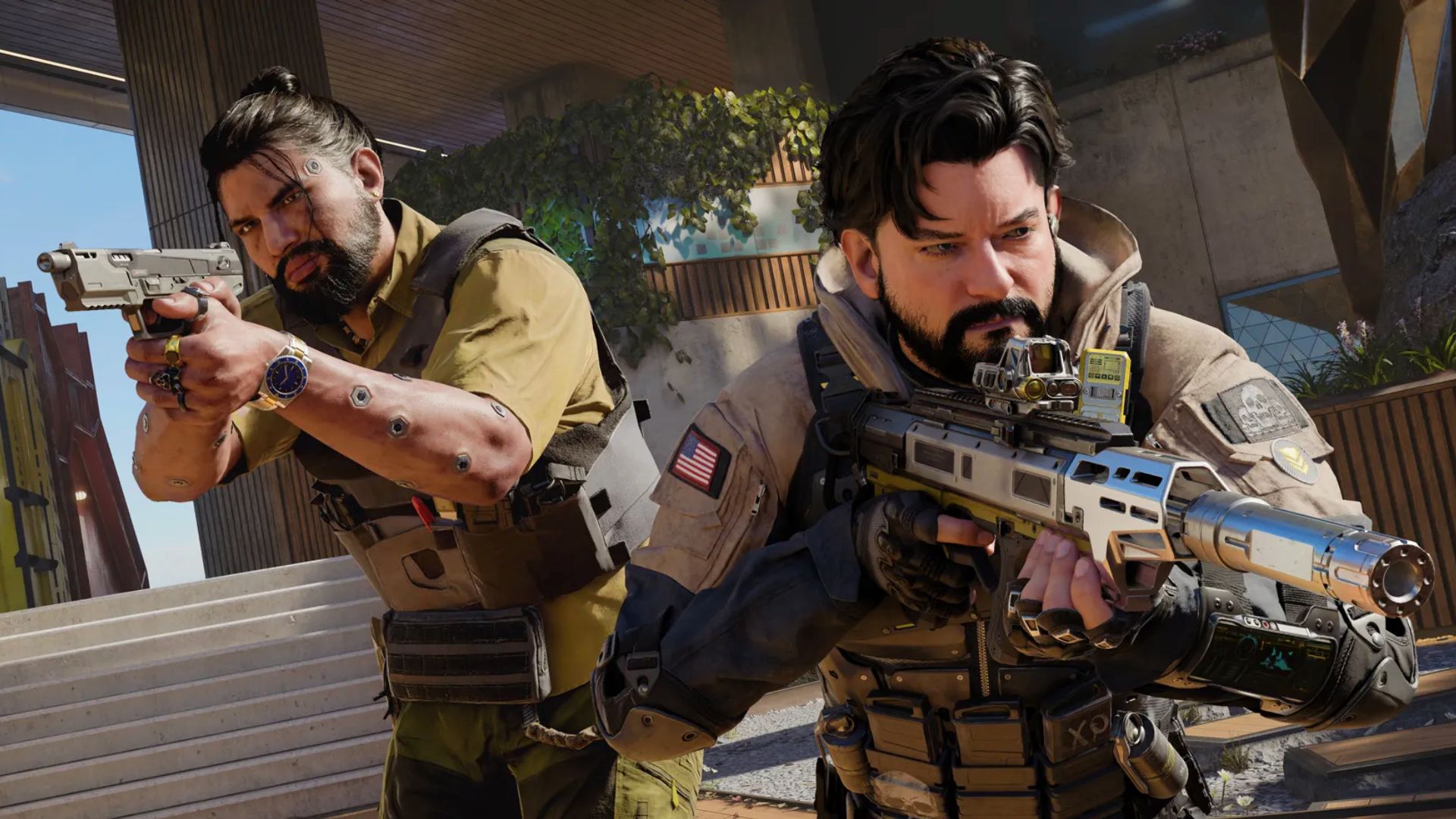
Activision's Call of Duty: Black Ops 7 Season 1 launches December 4, 2025 (9am PT / 12pm ET / 5pm GMT) with a major content drop that includes a Warzone integration, seven new weapons, multiple new multiplayer maps and modes, three Zombies maps, Endgame PvE content and a slate of in-season events and bundles. The scale and breadth of the update — plus holiday CODMAS items and weapon/accessory bundles — could boost player engagement and in-game monetization and retention, although it is a product-level event with limited immediate market-moving implications for investors.
Market structure: The Black Ops 7 Season 1 roll‑out materially benefits Microsoft (MSFT) as the Activision IP owner (Game Pass conversion, cross‑platform monetization) and benefits CDN/cloud players (NET, AKAM, AMZN/Azure) due to higher concurrent user and patch delivery load. Expect a 3–8% near‑term revenue/engagement uplift for MSFT’s gaming segment if peak concurrent users rise ~5–15% and in‑game monetization conversion nudges +0.5–1.5ppt in the first 8–12 weeks. Competing live‑service shooters (EA, TTWO) face short‑term share pressure in user time and wallet share.
Risk assessment: Tail risks include regulatory scrutiny on microtransactions/loot boxes (could cut monetization 10–30% in affected jurisdictions) and operational outages at launch that can depress initial conversion by 20–40% for 48–72 hours. Immediate (days) effects will be engagement spikes and CDN load; short term (weeks–months) will reveal conversion and ARPU trends; long term (quarters+) depends on retention through the mid‑season push and monetization cadence. Hidden dependency: revenue flow is contingent on Game Pass integration metrics and backend scaling (Azure/third‑party CDNs).
Trade implications: Direct plays: overweight MSFT (1–2% portfolio) to capture near‑term engagement/monetization; complement with selective exposure to NET/AKAM (0.5–1% each) for infrastructure upside. Pair trade: long MSFT vs short EA (EA) sized 1% vs 0.75% over 90 days to arbitrage shooter market share rotation. Options: buy 3‑month MSFT call spread (small notional 0.5% portfolio) to limit cost and buy protective 3‑month EA put spread (0.5%) as downside hedge.
Contrarian angles: Consensus underweights the value of Warzone integration as a persistent monetization multiplier — mid‑season content can generate a second revenue pulse in Jan–Mar; however overoptimistic pricing of MSFT gaming uplift risks disappointment if retention falls <50% of peak. Historical parallels: major shooter expansions (eg. Destiny seasonal relaunch) produced short spikes then normalization; use tight 6–12 week stop‑losses and option hedges to guard against player backlash or regulatory shocks.
AI-powered research, real-time alerts, and portfolio analytics for institutional investors.
Request DemoOverall Sentiment
mildly positive
Sentiment Score
0.25
