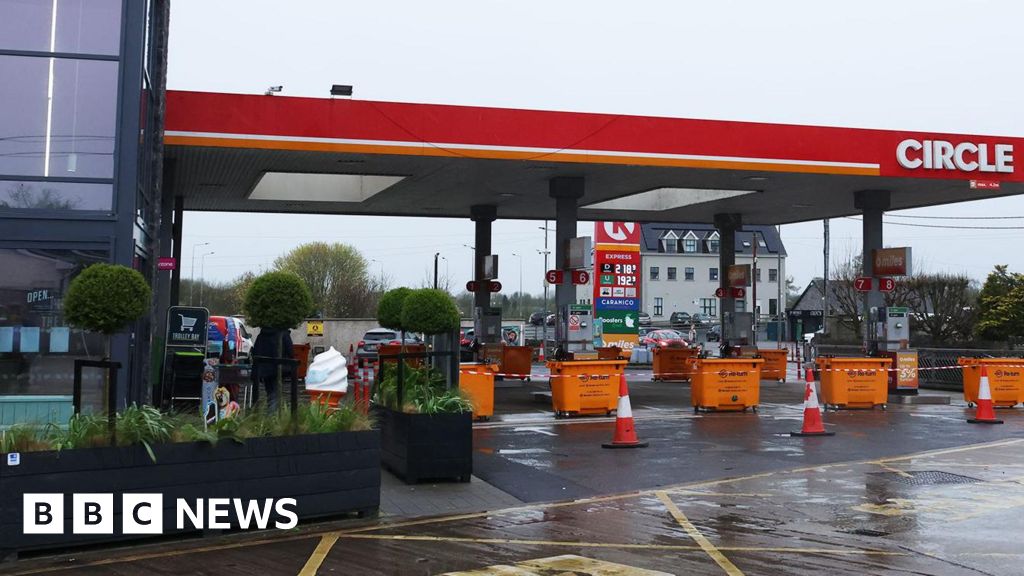
Fuel protests in Ireland have disrupted supplies for a fifth day, with hundreds of petrol stations running dry and blockade-related shortages now pressuring emergency response transport. Diesel prices have risen from about €1.70 to €2.17 per litre, while the government is considering an emergency response and police have moved to an enforcement phase. The disruption is also affecting ports, ferries and public transport, raising the risk of broader logistics and consumer transport fallout.
This is a classic “small geography, big knock-on effects” shock: the direct economic damage in Ireland is modest, but the operational bottlenecks hit the most time-sensitive parts of the economy first. The immediate winners are any firms with resilient inventories, diversified routing, or pricing power; the losers are businesses dependent on just-in-time delivery, airport traffic, and diesel-heavy logistics, where even a 24–72 hour interruption can force missed deliveries and spoilage. The more important second-order effect is labor and service disruption: once emergency vehicles and airport transfer networks get stressed, the optics force policy escalation faster than the protestors’ core bargaining power would suggest.
The market setup is less about absolute fuel prices and more about volatility in local distribution margins. Retailers with exposed Irish exposure, regional transport operators, and airport-linked consumer names face a near-term demand hit from reduced footfall and travel friction, while fuel wholesalers and integrated suppliers may briefly benefit from tighter local spreads if the disruption forces spot replacement purchasing. If the blockade normalizes within days, this becomes a transient logistics event; if it drags into a week, expect a sharper repricing in consumer-facing names and higher political pressure for fuel subsidies or transport relief, which would delay but not eliminate the economic drag.
The contrarian angle is that the headline supply shock may be more politically than economically durable. The government has both coercive and fiscal tools, so the most likely path is an eventual enforcement-and-compensation mix that restores flows before the broader economy is impaired. That argues against chasing anything with a multi-month thesis on a pure Irish disruption; the cleaner opportunity is in short-duration expressions tied to fuel volatility or transport disruption rather than directional oil outright. If the Middle East supply narrative keeps Brent elevated, this protest becomes a multiplier of already-stressed distribution channels, but not a standalone global oil catalyst.
AI-powered research, real-time alerts, and portfolio analytics for institutional investors.
Request DemoOverall Sentiment
strongly negative
Sentiment Score
-0.62
