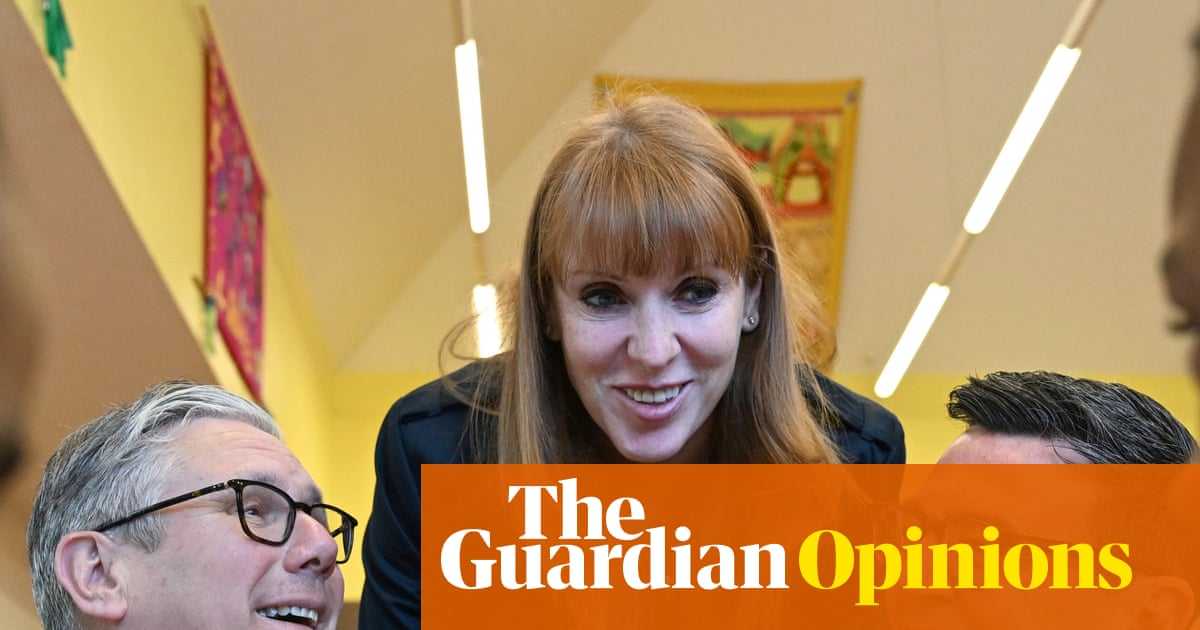
Labour is facing a leadership and succession crisis, with Sir Keir Starmer weakened but no clear challenger willing to force a contest under party rules. The article argues the party’s problem is existential rather than stylistic, with voters drifting to the Greens and Lib Dems and a renewed cost-of-living squeeze adding pressure. Andy Burnham and Wes Streeting are positioned as potential catalysts for renewal, but the immediate outlook is continued instability rather than a clean transition.
The market implication is not the headline leadership drama itself, but the rising probability of policy paralysis in the UK over the next 3-12 months. A fractured governing party facing a living-cost squeeze raises the odds of fiscal drift: more ad hoc support, less coherent tax/spend signaling, and lower confidence in medium-term planning. That is usually negative for domestically oriented UK equities and the pound, while favoring global earners with limited UK revenue exposure. The second-order effect is on rate-sensitive UK assets. If leadership uncertainty persists, the government will struggle to deliver a clean fiscal narrative to the gilt market, which can keep term premia sticky even if the BoE is near the end of its cycle. The more interesting asymmetric risk is that any succession contest briefly boosts “change” expectations, but unless it produces a credible economic reset, the move likely fades fast and leaves investors with the same weak-growth, weak-confidence mix. A contrarian read is that the market may be underpricing the speed with which internal Labour politics can force an actual pivot. If a new front-runner can credibly reframe the party’s economic coalition, domestic sentiment could improve faster than consensus expects. But that would require a clean break in messaging and personnel, not a cosmetic reshuffle; absent that, the base case is continued churn rather than renewal. The clean trade setup is to fade UK domestic beta on rallies and express any policy-stability premium through globals over locals. If the contest broadens, headline volatility will likely be high for weeks, but fundamental repricing should play out over months as business investment and consumer confidence remain hostage to political noise.
AI-powered research, real-time alerts, and portfolio analytics for institutional investors.
Request DemoOverall Sentiment
mildly negative
Sentiment Score
-0.25
