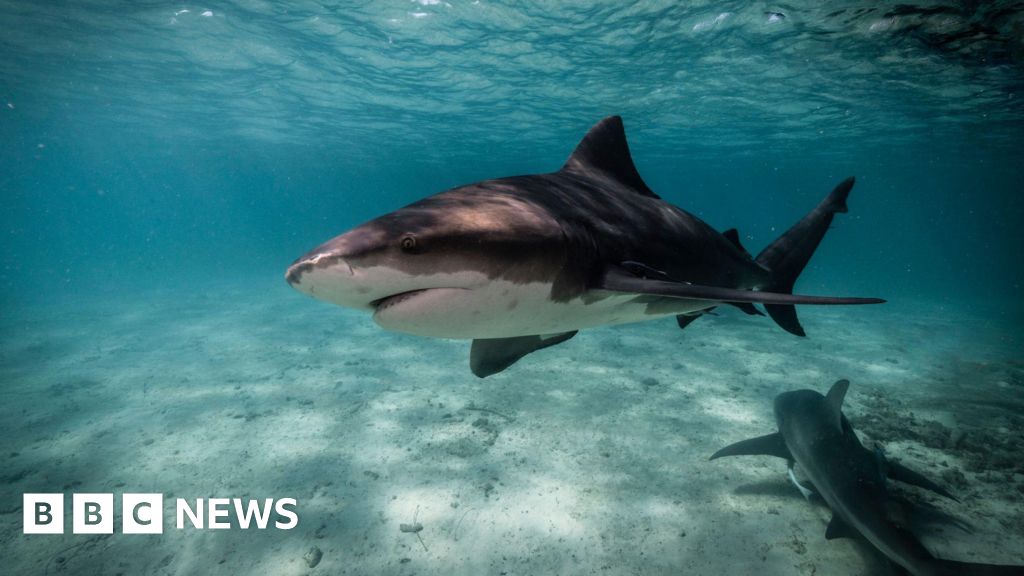
Four shark bite incidents occurred within 48 hours along Australia's east coast — three within a 15-kilometre stretch — culminating in the death of a 12-year-old in Sydney Harbour on 18 January and another critical hospitalisation; a fourth incident was reported about 300 km up the coast. Heavy rainfall (127 mm in 24 hours at Sydney's official station) likely produced low-salinity, nutrient-rich runoff that attracted bait fish and bull sharks, prompting widespread temporary beach closures and renewed political calls for culls, which experts argue are ineffective and urge against. The reports note Australia-wide shark bite averages rose from ~8–10/year in the 1990s to mid-20s/year in the 2010s, driven largely by better reporting and increased coastal water use rather than greater shark aggression, with policy implications for local councils, tourism operators and coastal safety measures.
Market structure: Localised beach closures and a spike in public fear create short-term winners (companies selling coastal surveillance, drone patrols, marine sensors, and remediation services) and losers (small coastal hospitality, surf schools and weekend-dependent retailers). Expect a concentrated revenue hit: 30–70% footfall reduction for affected beaches for 1–2 weeks and uneven recovery over 1–3 months; national tourism impact should remain <1% of Australia GDP absent escalation.
Risk assessment: Tail risks include politically driven shark-cull policies or large government procurement (>AUD 10–50m) for mitigation tech; either could reprice niche vendors and ESG-sensitive suppliers within 30–90 days. Hidden dependencies: rainfall/La Niña cycles and sewage-runoff remediation funding will determine recurring demand over quarters–years. Catalysts: further incidents, NSW/state emergency spending announcements, or tenders within 30–120 days.
Trade implications: Direct plays favour equities/OVT exposure to drone/sensor/vision-chip makers (short-dated procurement-driven upside) and short, small-cap coastal leisure operators into the next 2–6 weeks of media cycle. Use options to express asymmetric risk: 1–3 month call spreads on surveillance/drone names and 2–6 week put spreads on local leisure stocks. Rotate out after 3 months if no procurement or repeat incidents occur.
Contrarian angles: Consensus will overstate long-term tourism damage; the market may underprice durable municipal capex on coastal safety (a multi-year revenue stream for suppliers). Historical parallels (localised natural-fear events) show rapid reversion in 4–12 weeks unless policy changes; biggest mispricing is shorting national leisure/airline leaders while ignoring concentrated local demand shocks.
AI-powered research, real-time alerts, and portfolio analytics for institutional investors.
Request DemoOverall Sentiment
neutral
Sentiment Score
0.00
