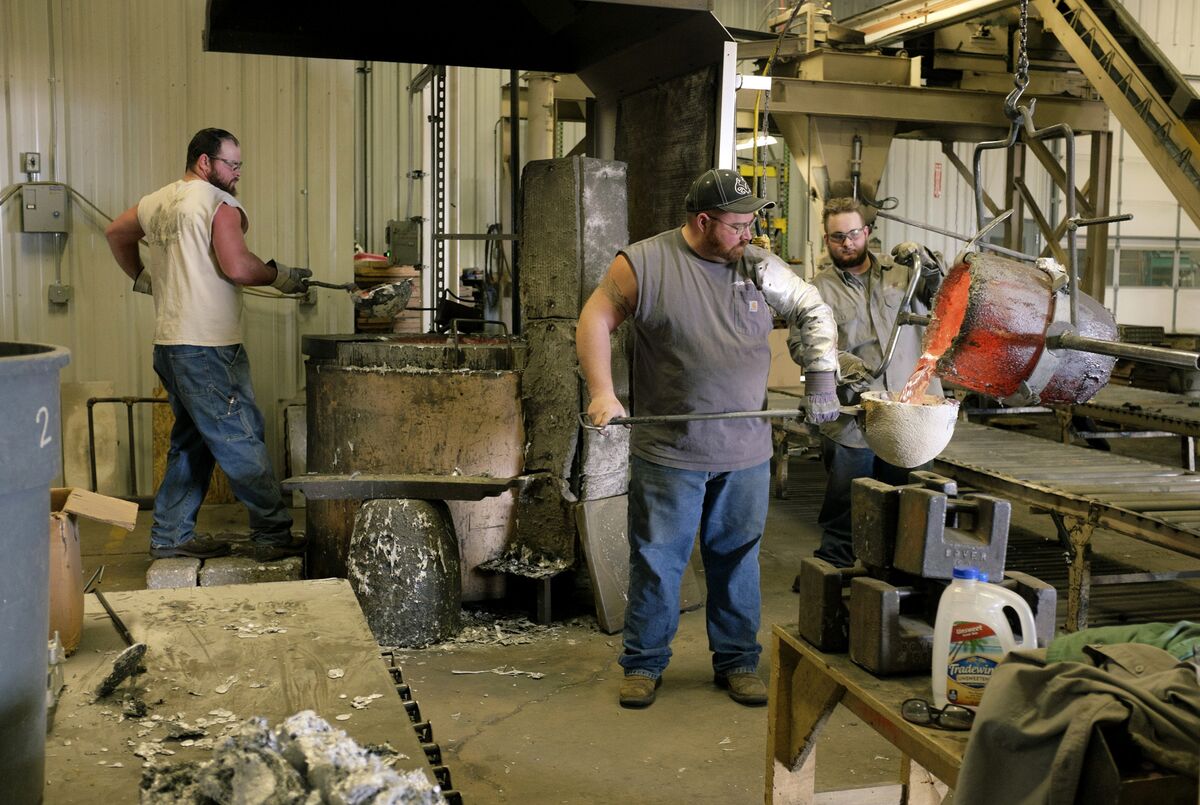
U.S. manufacturing payrolls declined for the fourth consecutive month in August, falling by 12,000 jobs, marking the longest such streak since 2020 and contributing to a nearly 80,000 job reduction in the sector over the past year. This sustained contraction in manufacturing employment challenges the narrative of a domestic industrial renaissance, suggesting a significant cooling in the sector.
Recent Bureau of Labor Statistics data reveals a sustained contraction in the U.S. manufacturing sector, with payrolls declining by 12,000 in August. This marks the fourth consecutive month of job losses, representing the longest period of decline since 2020 and contributing to a net reduction of nearly 80,000 jobs over the past year. This persistent negative trend indicates a significant cooling in industrial activity and directly challenges the political narrative of a domestic manufacturing renaissance. For investors, these figures serve as a critical macroeconomic signal, suggesting potential weakness in industrial production and a headwind for overall economic growth.
AI-powered research, real-time alerts, and portfolio analytics for institutional investors.
Request DemoOverall Sentiment
strongly negative
Sentiment Score
-0.70
