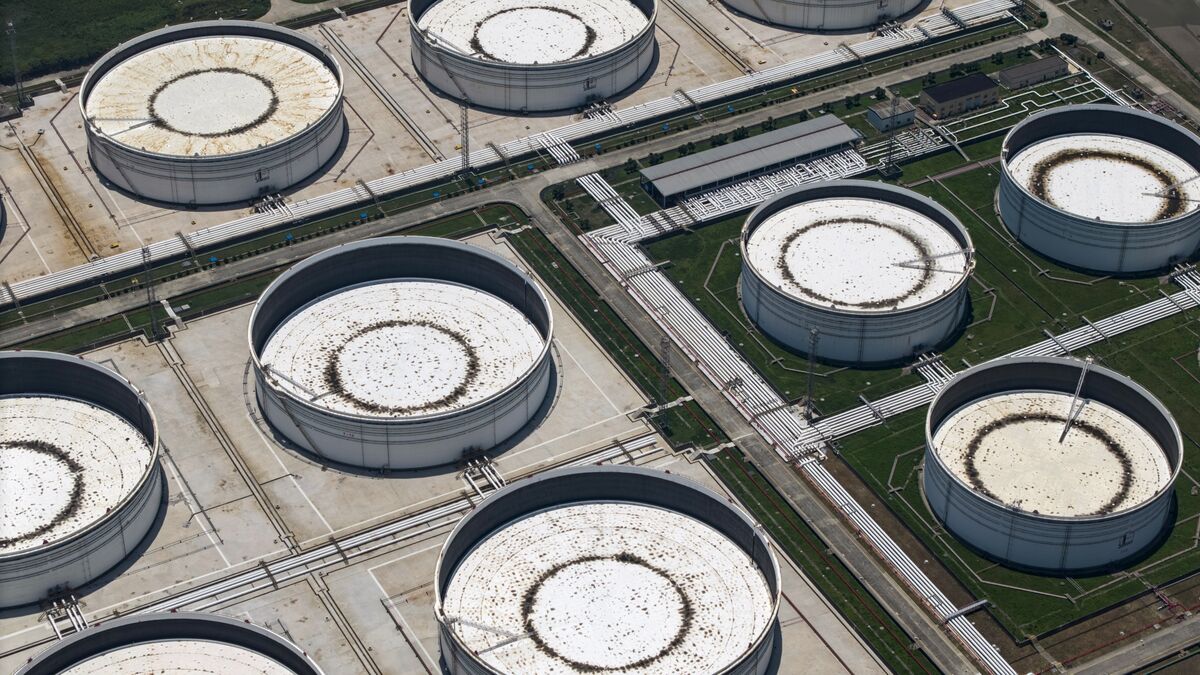
China’s independent refiners, particularly in Shandong province, have increased intake of Iranian crude from bonded onshore tanks and ships at sea after Beijing issued a new round of import quotas late last month. Several processors tapped storage and refinery-linked bonded facilities this week, with sources noting much of the oil was purchased before the quota update. The move could boost flows of Iranian crude into China, modestly increasing supply to the market and bearing on regional refined-run activity and oil price dynamics.
Market structure: Chinese independent refiners (Shandong “teapots”) and bonded-storage traders are immediate winners — they can take cheaper Iranian medium/sour barrels and lift refinery margins by an estimated $1–$3/bbl vs. competing Asia-sourced grades if flows reach 200–400 kb/d. Sellers to Asia (some Gulf suppliers) are the losers short-term as incremental Iranian barrels can displace ~0.2–0.4 mb/d of other crude into other markets, pressuring regional differentials and narrowing Asian heavy-sour spreads. Cross-asset: a sustained 300 kb/d flow could knock $1–3/bbl off Brent over 1–3 months, tighten short-term tanker storage demand (negative for spot tanker rates), and modestly weaken oil-linked sovereign FX and high-yield energy credit spreads by 25–75bp in pressured exporters.
Risk assessment: Tail risks include a U.S. secondary-sanctions escalation or port enforcement (low probability 5–15% monthly but very high impact) that would abruptly remove these barrels and spike crude/backlog; a China policy reversal on quotas is a medium-probability policy risk. Time horizons: immediate (days) for tanker rates and bonded draws; short-term (weeks–months) for Brent/differentials; long-term (quarters+) for market-share shifts if quotas become permanent. Hidden dependencies: much of the oil was pre-purchased — sustained incremental supply depends on continued quotas, logistics clearance, and buyers not being chilled by sanctions rhetoric. Watch China customs import data, AIS tanker flows, and US Treasury statements as catalysts.
Trade implications: Favor long exposure to refiners with large domestic throughput and sour-processing capability: China Petrochemical Corp/Sinopec (SNP 600028.SS / SNP ADR) and PetroChina (PTR) — tactical 2–3% positions for 3 months; hedge macro risk with a 3-month Brent (BNO) put spread to capture a $1–3 downside. Short/tactically underweight spot tanker owners (STNG) and storage plays: initiate a 1% short or buy 3-month puts as bonded draws and idled-at-sea drawdown will reduce spot rates if unloading continues. Rotate out of short-term exposure to Gulf heavy sellers and consider trimming high-yield E&P credit with >50% Asian sales exposure by 2–4%.
Contrarian angles: Consensus underestimates sanctions cliff risk — the market may be underpricing a rapid re-tightening event that could remove 300+ kb/d in <30 days; historical parallel: Iranian flows after the 2015 deal showed quick reversals when geopolitics shifted. The price impact may be muted if barrels are largely re-located (displaced sellers find other buyers), so a pure oil-price short risks being wrong if displacement, not surplus, is occurring. Unintended consequence: lower crude prices could compress cashflow of marginal US/European shippers and oilfield-service names, creating longer-dated credit stress rather than immediate commodity dislocation.
AI-powered research, real-time alerts, and portfolio analytics for institutional investors.
Request DemoOverall Sentiment
neutral
Sentiment Score
-0.10
