Goldman Sachs warns multi-asset portfolios are vulnerable to a near-term stagflationary shock as rising oil prices and constrained Strait of Hormuz flows drove a sharp pickup in pairwise correlations and a large decline in the RAI PC2 (one of the largest since 2000). The bank moved tactically defensive: overweight cash, neutral equities/bonds/commodities, underweight credit for three months, while the credit team raised year-end spread forecasts and prefers USD over EUR in both IG and HY. GS recommends adding US TIPS, infrastructure stocks and now favors gold; upcoming US retail sales (Wed) and employment (Fri) and Europe flash inflation/PMIs this week could materially affect positioning.
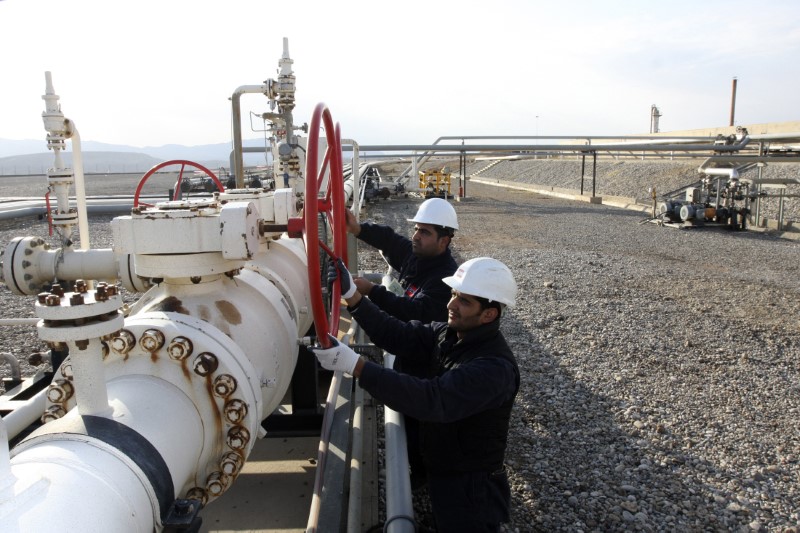
The immediate macro impulse—higher energy-driven term premium plus a correlation spike—compresses traditional diversification and makes liquidity risk the dominant hidden cost. That favors owners of regulated or contracted cashflows (real-asset tolling, pipeline operators, regulated utilities) because tolling and take-or-pay mechanics reprice faster than spot-exposed commodity producers, amplifying free-cash-flow stability for those names over a 3–18 month window.
Credit and currency cross-currents create a two-speed market: USD-denominated credit and USD cash balances enjoy optionality from flight-to-dollar, while EUR and EM corporate pockets are exposed to funding/supply volatility. Expect credit dispersion to widen over the next 1–6 months; absent a diplomatic de-escalation, spreads will drift wider but not in a straight line—liquidity-driven jumps (days-weeks) will punctuate the trend and offer entry points for mean-reversion trades.
The single biggest reversal trigger is rapid normalization of seaborne flows or a credible coordinated release of inventories; that would compress term premia and unwind the correlation spike within 30–90 days. Conversely, sustained flow constraints or a policy pivot that anchors inflation expectations materially higher would favor duration-hedged real assets and convex option hedges for another 6–18 months.
Contrarian payoff lies in buying convexity selectively rather than blanket defensives: the market has likely overpaid for duration-insensitive dividend names and underpriced real-yield protection and defense/transport optionality. Position sizing should front-load option-based hedges and use relative pairs to isolate sector-specific risk premia rather than broad market longs.
AI-powered research, real-time alerts, and portfolio analytics for institutional investors.
Request DemoOverall Sentiment
mildly negative
Sentiment Score
-0.25
Ticker Sentiment
