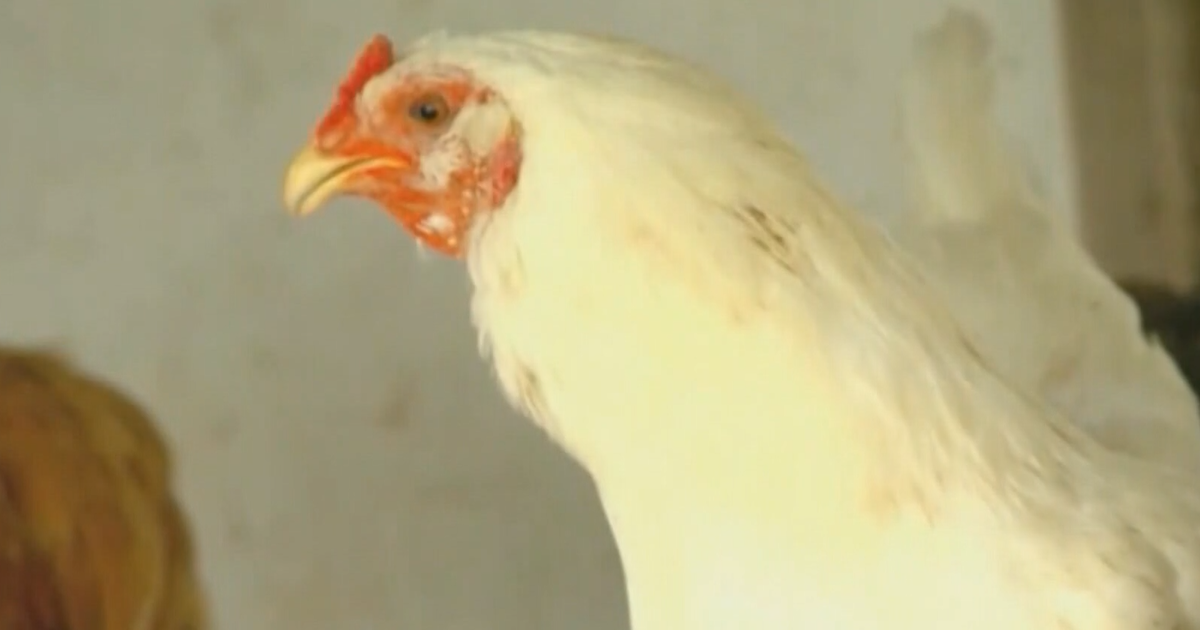
A backyard flock in Franklin County, N.C. tested positive for High Path Avian Influenza (HPAI), the ninth confirmed domestic bird case in North Carolina since Oct. 1, 2025, according to the NC Department of Agriculture & Consumer Services. The CDC characterizes the strain as low-risk to humans but highly contagious among birds, and state veterinary officials are urging heightened biosecurity—this is a localized supply risk for regional poultry producers that could widen if further outbreaks are detected.
Market structure: direct winners are egg producers (Cal-Maine, ticker CALM) and veterinary diagnostics/vaccine suppliers (Zoetis ZTS, IDEXX IDXX) if detections spread to commercial flocks; direct losers are small-scale backyard sellers, local live-bird markets and any regional processors reliant on non-integrated supply chains. If commercial outbreaks occur, expect spot egg/chicken prices to gap higher—historically 10–30% in acute episodes—benefiting integrated players with market power while raising input hedging activity for restaurants and grocery chains. Cross-asset impact is muted absent large commercial culling: agricultural commodities see at most a small feed-demand swing (<1–3%), sovereign bond/FX moves negligible, but poultry equities and implied vols can move 15–30% intraday around news.
Risk assessment: tail risk of mutation to human-transmissible strain is low (<5%) but high impact (multi-week export bans, large-scale culling, consumer demand shock) that would compress margins for integrators and spike protein prices for months. Short window risks (days–weeks) are supply-detection noise and headline volatility; medium (3–6 months) depends on spread into commercial flocks; long-term (6–24 months) outcomes hinge on regulatory changes, vaccine uptake, and trade restrictions. Hidden dependencies: detection cadence from wild birds/backyard flocks is a leading indicator for commercial outbreaks; biosecurity resilience of major integrators materially reduces probability of system-wide supply shocks.
Trade implications: tactical longs in CALM and selective calls on integrated poultry (Pilgrim's Pride PPC or Tyson TSN) are asymmetric—buy 3–6 month call spreads 5–15% OTM to limit premium outlay, target 15–30% upside if a commercial event occurs. Buy small, diversified exposure to ZTS/IDXX (vaccine/diagnostics) for 6–12 months as insurance against sustained elevated testing/vaccine demand; consider 3–4 week or 3-month put spreads on regional restaurant/foodservice names as a cheap tail hedge against rapid demand shock. Entry: initiate option structures now at low vols but scale only to 0.5–2% portfolio; escalate if USDA reports commercial flock culling >500k birds or multi-state spread within 30 days.
Contrarian angles: the market often overreacts to backyard detections—large integrators have durable biosecurity and vertical contracts that usually prevent systemic supply loss, so pure long equity panic fades in 2–8 weeks; that creates opportunities to buy weakness. Conversely, underappreciated is regulatory risk: a single large commercial confirmation can force multi-week plant shutdowns and 20–40% moves in small processors—position sizing and option structures should reflect this asymmetry. Historical parallels (2014–2015 HPAI US outbreaks) show acute price spikes then mean reversion over 6–12 months, favoring time-limited option plays and selective fundamental longs rather than long-duration leveraged bets.
AI-powered research, real-time alerts, and portfolio analytics for institutional investors.
Request DemoOverall Sentiment
mildly negative
Sentiment Score
-0.25
