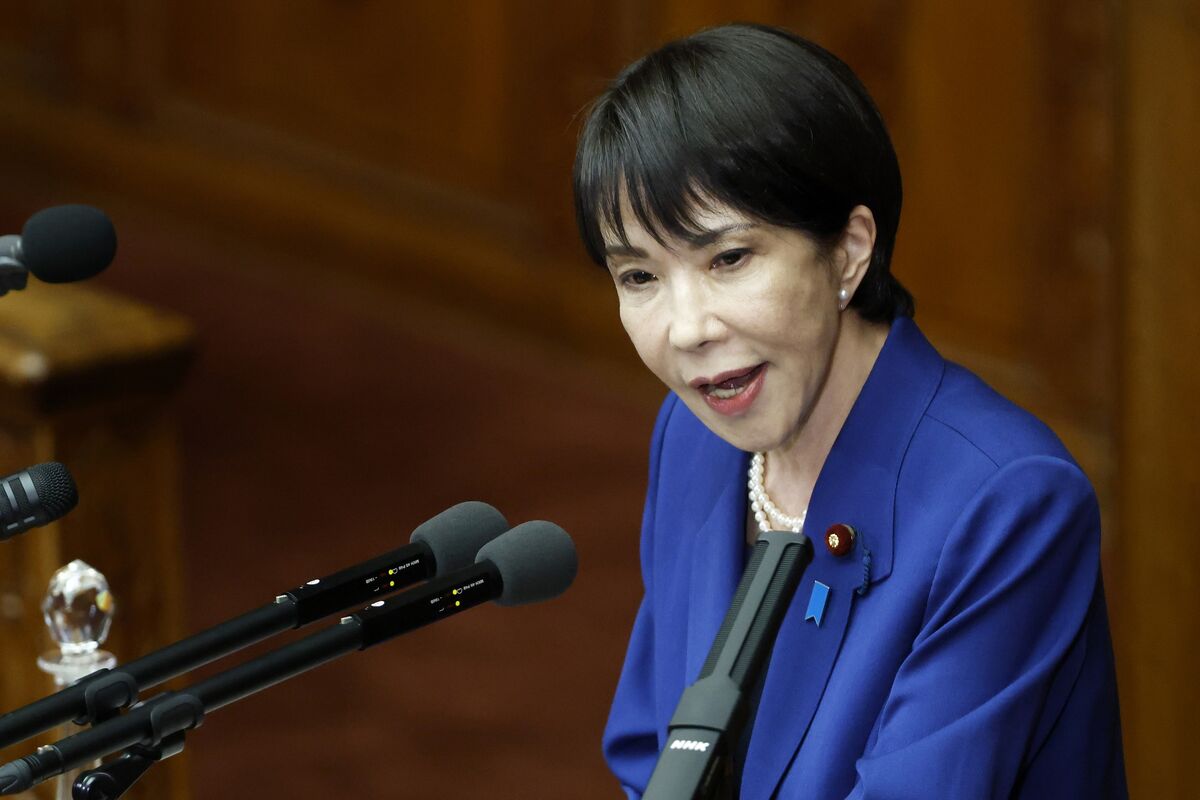
The Japanese Yen underperformed its G-10 peers, extending declines by 0.3% against the dollar to briefly breach 153 and losing 1.5% this week, following Prime Minister Sanae Takaichi's parliamentary speech outlining an expansive fiscal policy focused on tackling cost-of-living issues and bolstering defense. This commitment to increased spending is perceived by investors as a negative factor for the currency.
Japan's Yen significantly underperformed its G-10 peers, extending declines by 0.3% against the dollar and briefly breaching the 153 level following Prime Minister Sanae Takaichi's parliamentary speech. The currency recorded a 1.5% loss this week, more than double any other G-10 currency, indicating strong bearish sentiment. This immediate market reaction underscores investor concerns regarding the new fiscal direction.
The depreciation is directly attributed to PM Takaichi's commitment to an expansive fiscal policy, aimed at tackling the cost-of-living crisis and bolstering defense. While framed as "strategic and responsible," this increased spending commitment is perceived by investors as potentially inflationary or detrimental to the currency's value. The market's strongly negative sentiment (score -0.65) reflects these concerns about the fiscal outlook.
The yen's weakness against the dollar, reflected in the positive sentiment for UUP and USDU, suggests a divergence in monetary or fiscal policy expectations between Japan and other major economies. This policy stance could prolong the yield differential, maintaining pressure on the yen. Investors are clearly reacting to the implications of sustained government spending on Japan's financial health and currency stability.
AI-powered research, real-time alerts, and portfolio analytics for institutional investors.
Overall Sentiment
strongly negative
Sentiment Score
-0.65
Ticker Sentiment
