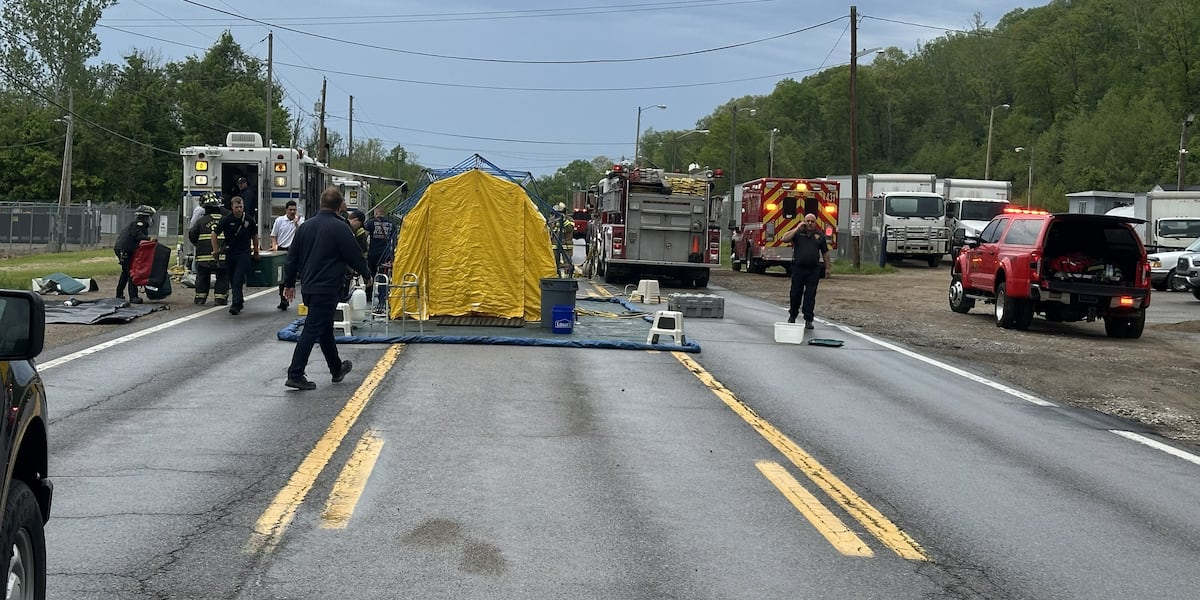
A chemical incident at Ames Goldsmith’s Catalyst Refiners plant in West Virginia left 2 dead, 1 person in critical condition, and at least 30 injured, with nitric acid reportedly reacting with M2000A and creating hazardous fumes. State and local agencies have launched a full investigation, while emergency responders, hospitals, and environmental officials are handling decontamination and treatment. The event triggered shelter-in-place orders and road closures, and could lead to regulatory, legal, and operational fallout for the company.
This is first and foremost a liability shock, not just a local safety event. The second-order issue is that any confirmed process-safety failure at a chemical/refining-adjacent site usually triggers a wider review of permit compliance, emergency response protocols, and contractor oversight across the region, which can slow operating cadence for neighboring industrial assets even if they are not directly involved. Expect insurers, environmental remediation vendors, and industrial hygiene consultants to see a short-duration demand spike over the next several weeks.
The larger market implication is reputational and legal duration risk. Fatalities plus a visible community exposure event tend to extend from an initial 24-72 hour news cycle into months of potential investigations, worker claims, and possible civil action, especially if regulators conclude inadequate containment or notification. That creates a lagged burden on enterprise value through legal reserves, higher insurance premiums at renewal, and potential capex for process upgrades rather than immediate P&L disruption.
The contrarian point: the first-order selloff in any listed industrial peer set may overstate true operating contagion because the asset-specific details matter more than the headline. Unless there is evidence of a broader permitting or category-wide hazard, the trade is likely better expressed as a relative-value short in the most litigation-sensitive or high-compliance-cost industrial operator rather than a blanket short on chemicals. The better medium-term alpha may sit in ancillary beneficiaries: environmental services, industrial safety, and remediation names that monetize the cleanup and compliance cycle.
Catalyst timing matters. In the next 1-3 days, sentiment will be driven by any update on cause and scope; over 1-3 months, the key will be whether agencies issue findings that imply systemic negligence or require plant modifications. If the investigation narrows to an isolated process upset, the headline risk fades quickly; if it broadens to oversight or maintenance failures, expect a longer discount to remain on comparable facilities in the region.
AI-powered research, real-time alerts, and portfolio analytics for institutional investors.
Request TrialOverall Sentiment
extremely negative
Sentiment Score
-0.88
