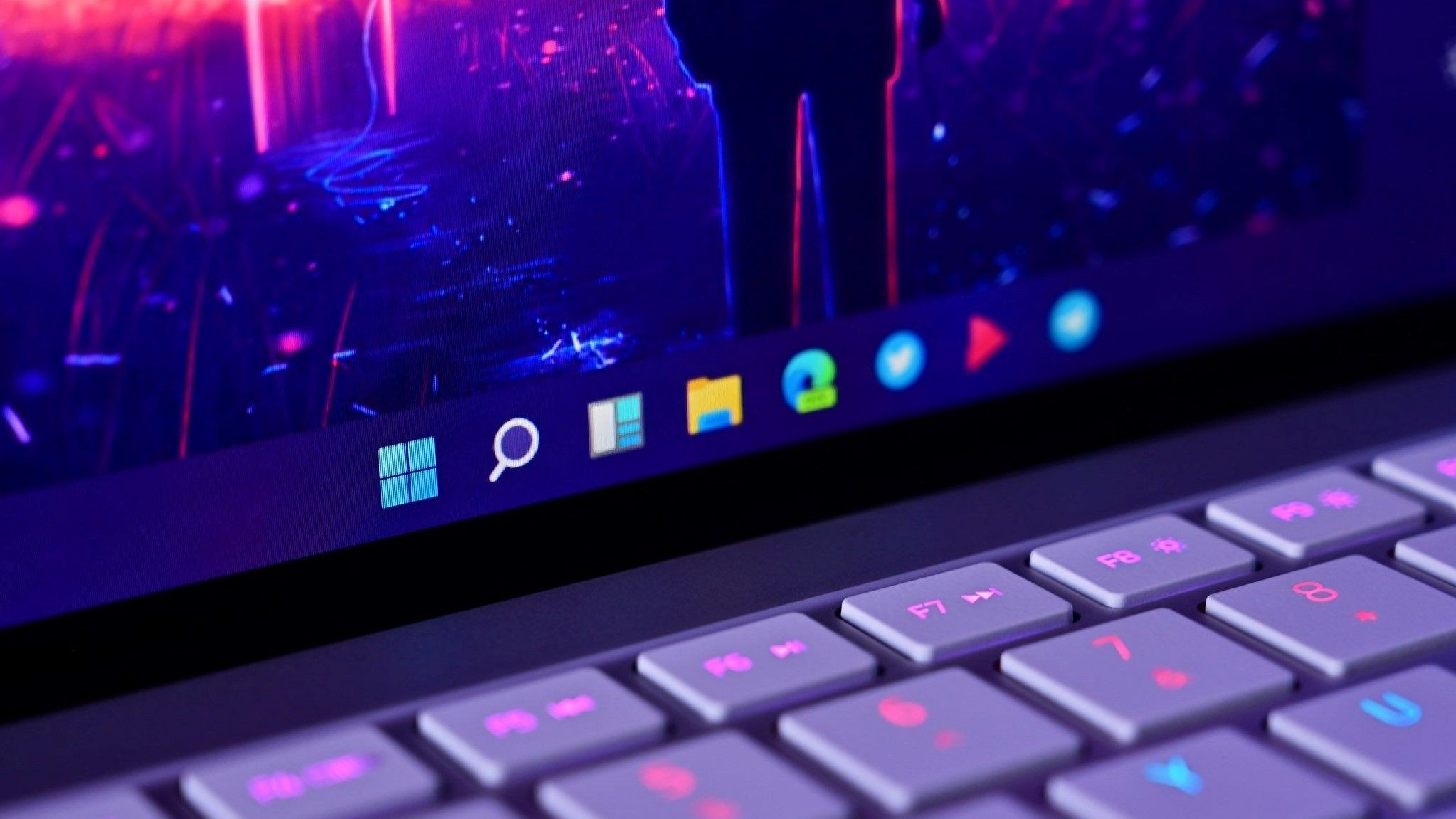
Ookla and Microsoft announced that Speedtest will be integrated across Bing and Windows 11, including a taskbar-based internet speed test for Windows users. The article’s main focus is a possible UI mockup error in Ookla’s press release, which appears to show a macOS-style window rather than a Windows design. The piece is largely a commentary on a mistaken visual, with little evidence of material business or market impact.
This is mildly positive for MSFT, but the real signal is not the UI mishap — it’s that Microsoft keeps turning commodity functionality into distribution leverage. A built-in speed test is a small feature, yet it increases the surface area where Windows can nudge users into Microsoft-owned workflows and telemetry, which matters more than the feature itself over a multi-quarter horizon. The incremental monetization is indirect: higher engagement, better network diagnostics in enterprise support, and more reasons for OEMs and IT admins to keep Windows as the default operating layer.
The competitive read-through is asymmetric. A sloppy mockup that accidentally evokes macOS is mildly embarrassing for HPQ and AAPL in a brand-comparison sense, but it has no material earnings impact; the second-order effect is that Windows remains culturally derivative while still functionally converging on Apple-like polish. That actually strengthens the enterprise case for MSFT if users increasingly perceive Windows as “good enough” on UX while retaining compatibility advantages. For AAPL, the only real concern is narrative leakage: any Windows feature that looks more polished reduces the premium attached to Apple’s design lead at the margin, but this is a sentiment issue, not a fundamentals issue.
The contrarian view is that the market may be over-reading a non-event. The product feature itself is close to zero revenue, and the brand confusion cuts both ways: it reminds users how easily Windows can look generic when Microsoft borrows design language. If this becomes a recurring pattern, it can cap enthusiasm for Surface and Windows consumer upsell narratives, especially if AI PC refresh cycles fail to meaningfully lift end-user willingness to pay over the next 6-12 months.
Net: MSFT is the only ticker with a plausible positive drift from distribution and ecosystem control, but the edge is small and best expressed tactically rather than as a high-conviction fundamental thesis.
AI-powered research, real-time alerts, and portfolio analytics for institutional investors.
Request TrialOverall Sentiment
neutral
Sentiment Score
0.05
Ticker Sentiment
