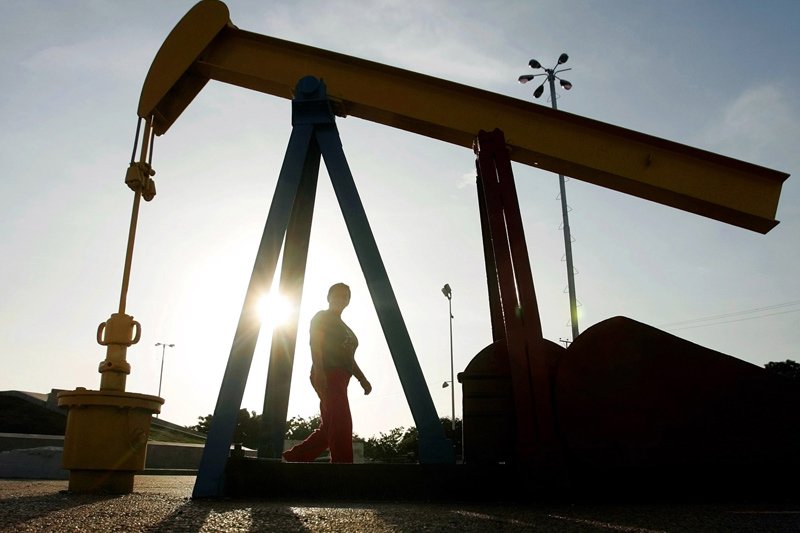
ECB President Christine Lagarde said the bank needs more data before making definitive policy conclusions on the economic impact of the war in Iran, signaling that an April 30 rate hike is unlikely. Energy prices rose last month, but the ECB said it has not yet seen evidence of second-round inflation effects, with oil prices above baseline assumptions and natural gas still below them. The comments reinforce a cautious, data-dependent stance amid geopolitical and inflation uncertainty.
The immediate market read-through is not about the ECB’s next meeting so much as the repricing of the rate path beyond it. When policymakers signal they need more evidence before treating an energy shock as inflationary persistence, the front end should stay anchored while the long end remains vulnerable to headline-driven term premium spikes; that usually benefits quality-duration equities over cyclical credit. For US megacap software/e-commerce names, the key second-order effect is that a less hawkish ECB reduces global discount-rate pressure and keeps the dollar from tightening further, which is mildly supportive for international revenue translation and multiples. The more interesting contrarian angle is that the market may be underestimating how quickly an energy impulse can turn into a growth shock rather than a pure inflation shock. If European consumers absorb another utility and fuel hit, discretionary spending, logistics margins, and industrial order books weaken before wage pass-through is visible, which tends to show up in earnings revisions 1-2 quarters later. That makes this setup less about “higher inflation for longer” and more about “slower growth with delayed policy response,” a mix that is usually constructive for duration assets but negative for Europe-exposed cyclicals and banks. For AMZN and AAPL, the direct effect is muted, but both are beneficiaries if the ECB stays on hold and global real yields drift lower. The higher-beta expression is through supply chain and consumer confidence: weaker Europe can compress hardware demand and ad spend, but that is a later-cycle issue, not an immediate print risk. The best trade is to position for a modest dovish tilt while avoiding outright risk-on exuberance until energy prices stop making new highs, because the policy signal can reverse fast if inflation expectations re-anchor.
AI-powered research, real-time alerts, and portfolio analytics for institutional investors.
Overall Sentiment
neutral
Sentiment Score
-0.05
Ticker Sentiment
