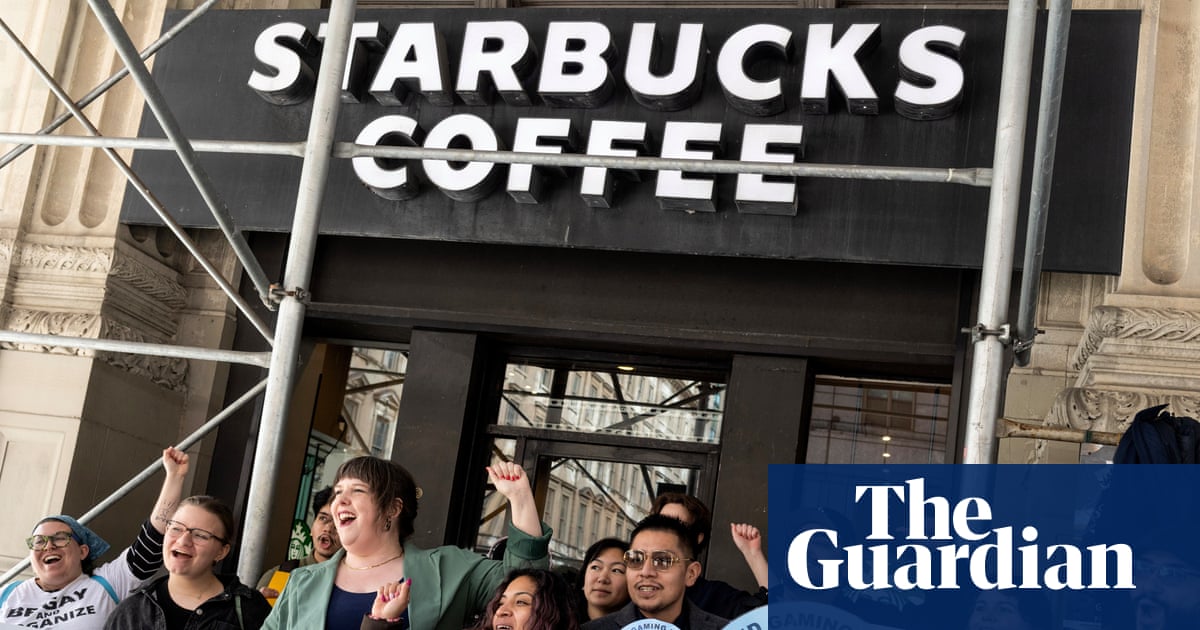
Starbucks CEO Brian Niccol's first year has been marked by persistent labor strife with Starbucks Workers United, despite his pledge for constructive engagement. While Niccol's 'Back to Starbucks' strategy achieved a record sales week after six quarters of decline, the union, now representing nearly 650 stores, alleges the strategy increases worker demands and exacerbates understaffing, stalling contract negotiations. The union criticizes Niccol's $97.8 million compensation and the company's $3.8 billion shareholder returns, rejecting pay proposals and employing strikes to demand fair wages and improved working conditions, signaling ongoing operational and reputational challenges for the company.
A year into CEO Brian Niccol's leadership, Starbucks faces a significant disconnect between its strategic initiatives and its labor force, creating a material operational and reputational risk. While Niccol's "Back to Starbucks" strategy has produced a tangible top-line result—a record sales week following six consecutive quarters of same-store sales declines—it appears to be failing at the store level. The burgeoning Starbucks Workers United, now representing nearly 650 stores, contends that the strategy has increased employee workloads and exacerbated understaffing, a claim supported by a union survey where 91% of workers reported understaffing and 93% noted a negative or neutral impact on customer experience. This internal friction is set against a backdrop of contentious financial decisions, including $3.8 billion in shareholder returns in FY2024 and a $97.8 million CEO compensation package, which intensify union demands and fuel negative publicity. The stalled contract negotiations, demonstrated by the union's rejection of a 2% pay increase and its continued use of strikes, signal that labor-related disruptions and associated costs are likely to persist, posing a tangible threat to the company's brand, in-store execution, and the long-term sustainability of its recent sales recovery.
AI-powered research, real-time alerts, and portfolio analytics for institutional investors.
Overall Sentiment
strongly negative
Sentiment Score
-0.65
Ticker Sentiment
