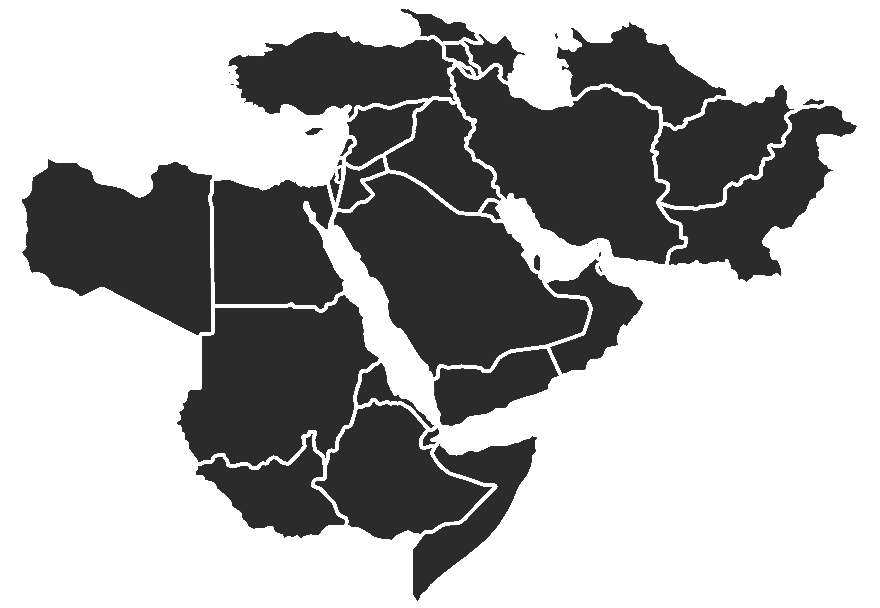
10-missile salvo (one of five salvos) targeted Israel and Iran launched 19 drones and 4 ballistic missiles at Bahrain (one struck a company building); Iran also attacked the Panamanian-flagged AQUA 1 tanker 17 nm NW of Ras Laffan, damaging the hull. IDF reported strikes on ~15 weapons production sites including a MODAFL complex and hit steel factories and a pharma R&D firm tied to SPND/fentanyl, degrading Iran’s defense industrial base and export capacity. Tehran signals it will use the Strait of Hormuz and energy flows as post-conflict leverage, and the UN Security Council is set to vote April 2 on authorizing protection of shipping — a development that elevates oil/LNG and shipping disruption risk and favors risk-off positioning in portfolios.
Tehran's leverage over the Strait of Hormuz is now a structural tail that markets will price as persistent, not episodic. Even intermittent, demonstrable closures or strikes at a 1–3 month cadence impose outsized friction: rerouting around Africa adds roughly 10–14 days to tanker voyages and can raise voyage costs 15–35%, while war-risk premiums on affected tanker routes can jump 3–5x within days, creating immediate P&L rotations across charterers, owners, and insurers.
Energy markets will increasingly trade on insurance/transportation premium dynamics and route optionality rather than purely on upstream supply/demand balances. That tends to produce steep short-term backwardation in spot crude and LNG spreads (weeks–months) and amplifies call-option-like upside for exporters with flexible loading (US Gulf LNG, US crude exporters) while pressuring refiners and integrated names that rely on steady feedstock imports over the same horizon.
Defense, security, and cyber sectors face durable demand uplifts on two horizons: (1) tactical, near-term spending on maritime protection and hardened comms (days–months), and (2) multi-year capex to shift trade architecture (pipelines, storage, diversified hubs). A credible international naval protection guarantee or rapid diplomatic de-escalation would materially compress premiums and reverse these flows; conversely, institutionalization of Hormuz-denial tactics by Tehran or proxies would entrench higher structural costs for 3–10+ years.
AI-powered research, real-time alerts, and portfolio analytics for institutional investors.
Request DemoOverall Sentiment
strongly negative
Sentiment Score
-0.85
