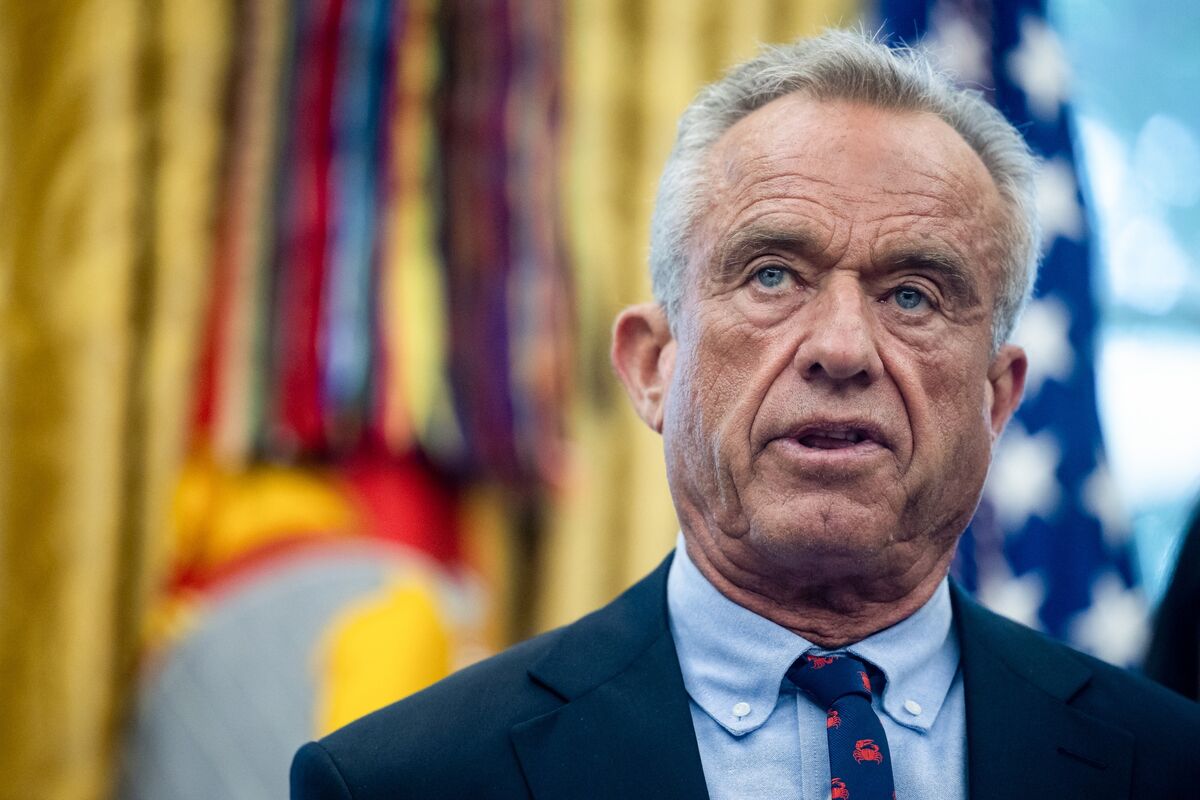
The Advisory Committee on Immunization Practices is expected to reverse a long-standing recommendation that newborns receive hepatitis B shots within 24 hours of birth, with a vote scheduled at the CDC in Atlanta (meeting begins 8:00 a.m. local time, vote around 2:30 p.m.). This would be the panel's most consequential action since it was reconstituted under HHS Secretary Robert F. Kennedy Jr., introducing regulatory uncertainty with public-health implications and potential near-term impact on neonatal hepatitis B dosing and pediatric vaccine demand.
Market structure: A CDC/ACIP decision to delay newborn hepatitis B shots primarily hurts pediatric vaccine OEMs and hospital vaccination programs while raising political/regulatory risk across the public-health complex. Winners in the near term are likely defensive big-cap antiviral/drug makers (e.g., GILD) and legal/insurance vendors if litigation or compensation programs expand; mid/small-cap vaccine specialists will face downgrades to growth assumptions (potential -10–30% revenue hit over 1–3 years for pure-play pediatric vaccine names). Pricing power shifts to incumbents with broad portfolios and government contracting scale, while niche vaccine producers lose negotiating leverage.
Risk assessment: Tail risks include legal liability, state-level vaccine bans or mandates, and localized outbreaks that force emergency procurement—each could swing revenues +/- 20–50% for exposed companies. Time horizons diverge: headline volatility in days; demand/pricing effects over 3–12 months; public-health outcomes and chronic HBV caseloads over multi-year to decade horizons. Hidden dependencies include school-entry vaccine policies, Medicaid reimbursement changes, and donor/government stockpiles that could suddenly restore demand.
Trade implications: Tactical plays: hedge small/mid-cap biotech beta and buy selective exposure to antiviral franchises. Expect elevated IV for small-cap vaccine stocks for 1–4 weeks; use short-dated put spreads to monetize. Sector rotation: trim XBI/IBB exposure by 2–5% and add 1–3% to large-cap pharma with HBV drugs. Entry window: act within 7–14 trading days for volatility trades; longer pharma holds 12–36 months.
Contrarian angles: Consensus overlooks rapid policy reversal risk after public backlash and the high probability (30–60%) of litigation prompting federal procurement backstops—this would sharply benefit big vaccine suppliers (MRK, GSK) and penalize niche shorts. Historical parallels (vaccine scares 2000s) show temporary share-price dislocations of 15–40% that reverse within 6–18 months; look for oversold small caps with cash runway >12 months as mean-reversion longs.
AI-powered research, real-time alerts, and portfolio analytics for institutional investors.
Request DemoOverall Sentiment
moderately negative
Sentiment Score
-0.30
