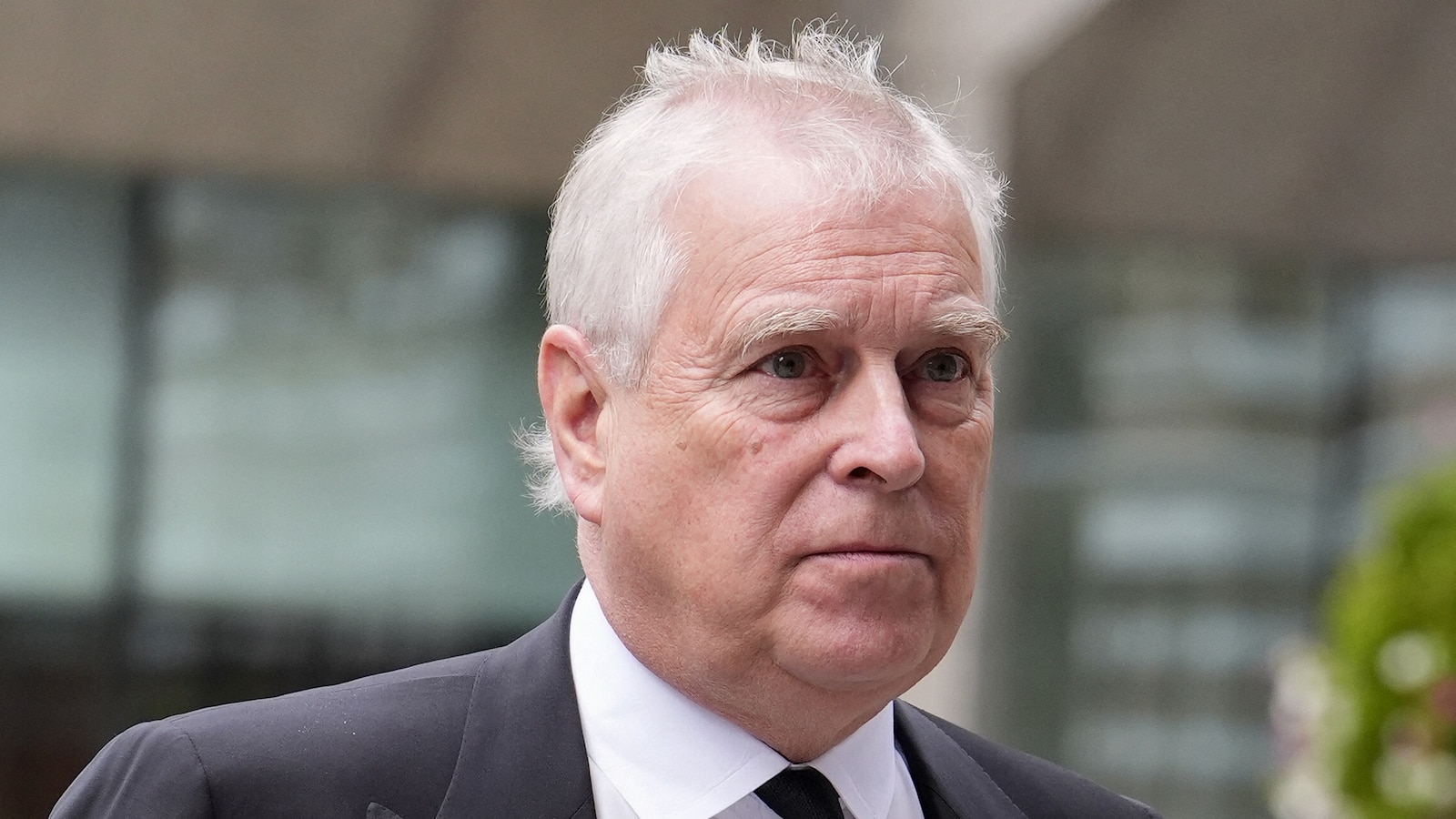
Thames Valley Police are assessing new allegations that Prince Andrew shared confidential reports from a 2010 diplomatic trade tour with Jeffrey Epstein after a recent U.S. Department of Justice release of Epstein-related documents that include communications involving the former prince. Buckingham Palace says it will support authorities and the King has expressed profound concern; Andrew has had his royal style and honours removed and relocated from Royal Lodge to Sandringham. The developments increase legal and reputational risk for the royal household and will sustain public and political scrutiny, but they are unlikely to produce direct, material market or macroeconomic effects in the near term.
Market structure: Short-term winners are UK news publishers and broadcasters that sell attention (Daily Mail/DMGT.L, ITV.L) and documentary/streaming producers (NFLX, DIS) that can monetize renewed interest; expect a traffic/ad CPM bump of ~5–15% over 1–8 weeks and single-digit share moves for exposed media stocks. Losers are reputationally linked luxury sponsors and event partners of the Royal Family (select luxury retailers) where contract terminations or boycotts could shave 1–3% revenue in the near term. FX and sovereign credit impact should be minimal unless the story escalates to constitutional crisis; model a 0–1% GBP move as base case, 1–3% in stress.
Risk assessment: Tail risks include a formal criminal inquiry or civil suits that force asset relocations or government inquiries (low probability, high impact) — price in contingency legal costs of tens to hundreds of millions only for directly exposed firms. Immediate horizon: volatile headlines over days; short-term (weeks–months): ad revenue and ratings shifts; long-term (quarters–years): structural reputational damages to brands tied to royal patronage. Hidden dependencies: corporate sponsorship contracts with moral clauses and insurers' reputation-risk exclusions could trigger payments or cancellations.
Trade implications: Favor short-duration, event-driven media exposure trades: buy 30–90 day upside exposure to DMGT.L/ITV.L via call spreads to capture CPM spikes; hedge GBP exposure with cheap 1-month 2% OTM puts. Use a relative-value pair: long DMGT.L (captures traffic) and short EWU (iShares UK ETF) to isolate UK sentiment risk. Avoid broad UK sell-offs; do not take large directional FTSE positions absent political escalation.
Contrarian angles: Consensus treats this as purely reputational; that underestimates short-term monetization (advertising/streaming viewership) and overestimates lasting economic harm. Historical parallels (royal scandals) show spikes in tabloid revenue lasting ~1–3 months while equity-market impact fades; therefore prefer tight-duration trades and cashing out at +10–20% moves. The main risk to these trades is an unexpected legal escalation within 30 days — set explicit stop-loss triggers.
AI-powered research, real-time alerts, and portfolio analytics for institutional investors.
Request DemoOverall Sentiment
moderately negative
Sentiment Score
-0.30
