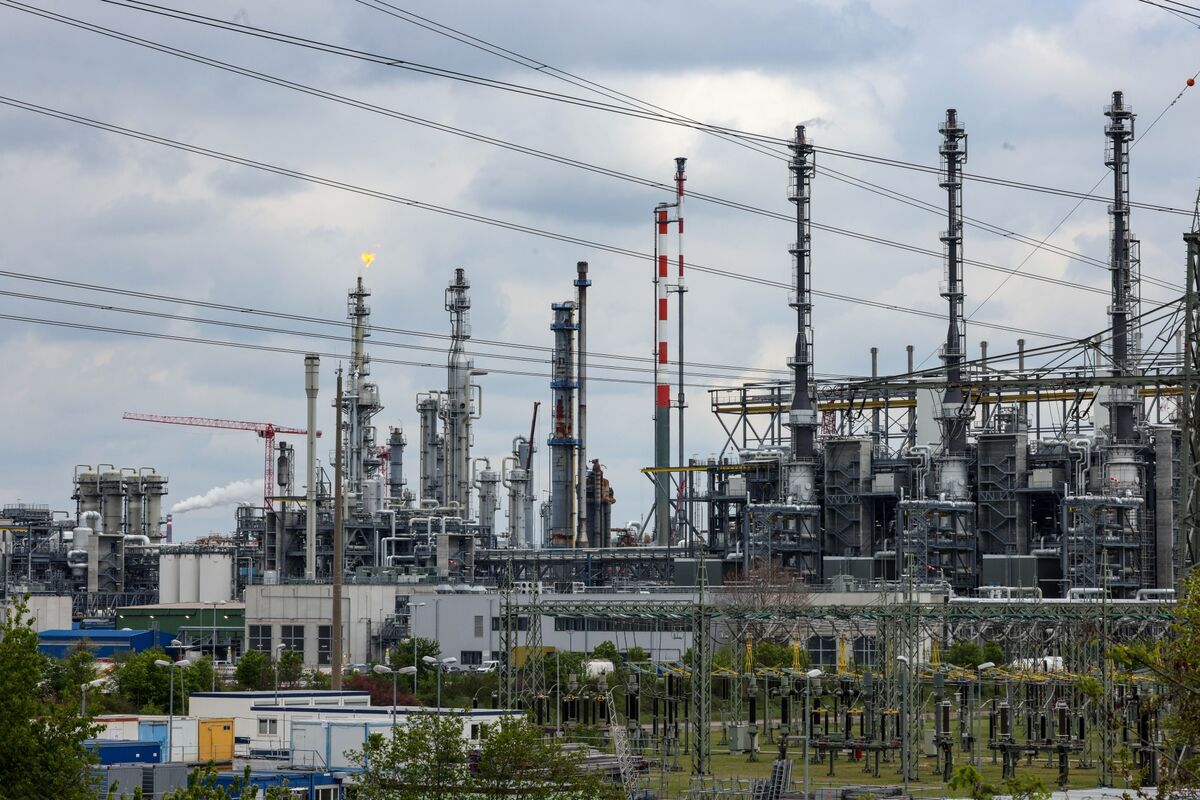
German chemical companies, including BASF SE and SKW Stickstoffwerke Piesteritz GmbH, are asserting that escalating carbon costs under Europe's emissions trading system (ETS) are undermining the continent's industrial competitiveness. They are advocating for carve-outs from the ETS as the free allocation of emissions certificates begins to phase out next year, which will further increase operational expenses for the sector, joining a broader industry push for eased climate regulations.
German chemical manufacturers, including BASF SE and SKW Stickstoffwerke Piesteritz GmbH, are expressing significant concern over the escalating costs imposed by Europe's Emissions Trading System (ETS). They argue that these rising carbon allowance expenses are severely undermining the competitiveness of European industry. This sentiment is strongly negative, reflecting a pessimistic outlook for affected sectors.
The primary driver of this concern is the impending phase-out of free ETS certificate allocations, scheduled to begin next year, which will directly increase operational expenditures for energy-intensive companies. This regulatory shift is viewed as a substantial financial burden, impacting company fundamentals and potentially influencing energy markets. The industry is actively advocating for carve-outs to mitigate these anticipated cost increases.
This development underscores a critical tension between ambitious ESG and climate policy goals and the economic viability of key industrial sectors within the EU. Higher production costs could lead to competitive disadvantages against international rivals, affecting trade policy and potentially prompting supply chain adjustments. Investors should recognize the systemic risk this poses to European industrial assets.
AI-powered research, real-time alerts, and portfolio analytics for institutional investors.
Overall Sentiment
strongly negative
Sentiment Score
-0.65
