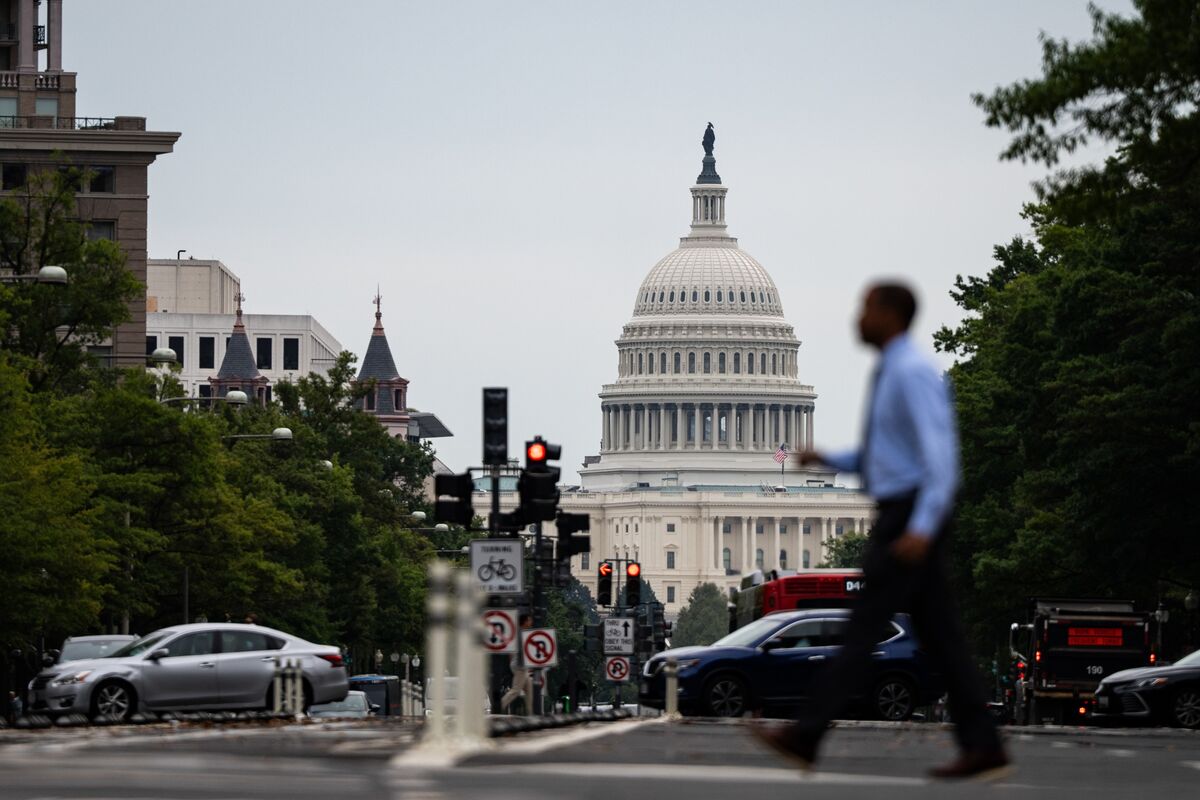
The article details how US government shutdowns have become a routine feature of the political landscape, reflecting deep-seated political polarization and fiscal brinkmanship. This normalization of shutdown threats introduces recurring uncertainty into financial markets and government operations, potentially impacting investor confidence and economic stability as stakeholders anticipate periodic disruptions.
The normalization of US government shutdown threats represents a structural shift in the US political and fiscal landscape, transforming what was once an extraordinary event into a routine feature of governance. This recurring brinkmanship, driven by deep-seated political polarization, introduces a predictable cycle of uncertainty into financial markets. The primary impact is not necessarily the direct economic cost of a temporary shutdown, but rather the erosion of investor confidence and the disruption to economic stability as market participants are forced to price in periodic legislative paralysis. This moderately negative and uncertain environment, underscored by a market impact score of 0.6, suggests that fiscal policy gridlock is now a persistent risk factor with potential implications for the perception of US sovereign creditworthiness and the stability of government-dependent sectors.
AI-powered research, real-time alerts, and portfolio analytics for institutional investors.
Request DemoOverall Sentiment
moderately negative
Sentiment Score
-0.50
