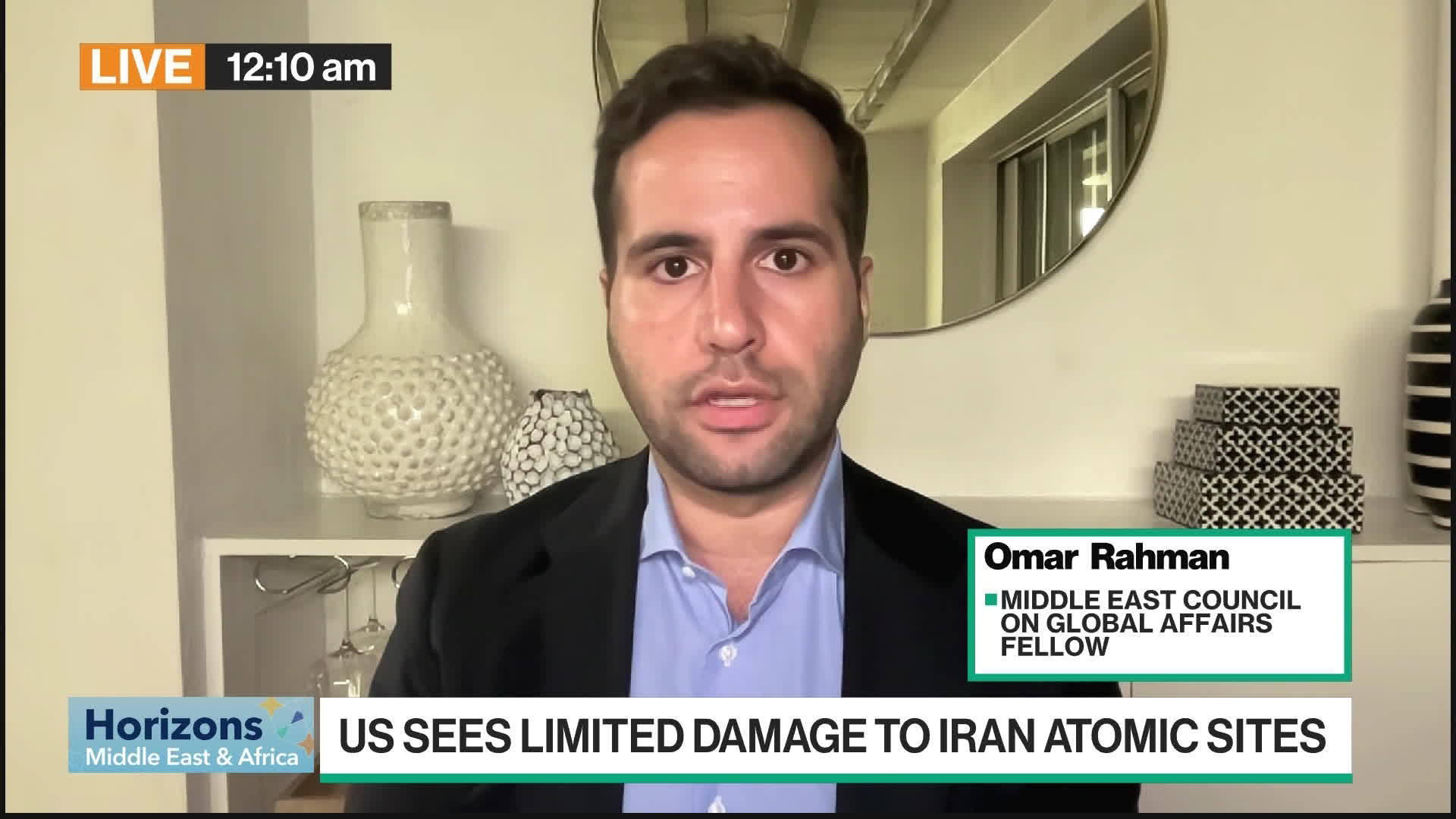
Israel has confirmed a ceasefire agreement with Iran following recent conflict, even as assessments indicate Iran is weakened but remains vengeful with limited damage to its atomic sites. This development occurs amidst ongoing geopolitical considerations, including former President Trump's stance on China's continued oil purchases from Iran, highlighting persistent regional volatility and its implications for global markets.
A confirmed ceasefire agreement between Israel and Iran introduces a near-term de-escalation in the Middle East, likely reducing immediate geopolitical risk premiums in the market. However, this development is set against a complex and precarious backdrop. Intelligence assessments indicating Iran is 'weakened but vengeful' and that its atomic sites sustained 'limited damage' suggest that the fundamental drivers of the conflict remain unresolved. Iran's capacity for future retaliation and its nuclear ambitions persist as significant medium-to-long-term threats. Furthermore, comments from former U.S. President Trump regarding China's oil purchases from Iran inject an element of political uncertainty into sanctions enforcement, which could have material consequences for global energy supply and pricing dynamics. The current situation is best characterized as a tactical pause rather than a strategic resolution, with the underlying regional volatility and potential for future conflict remaining high.
AI-powered research, real-time alerts, and portfolio analytics for institutional investors.
Request DemoOverall Sentiment
moderately negative
Sentiment Score
-0.50
