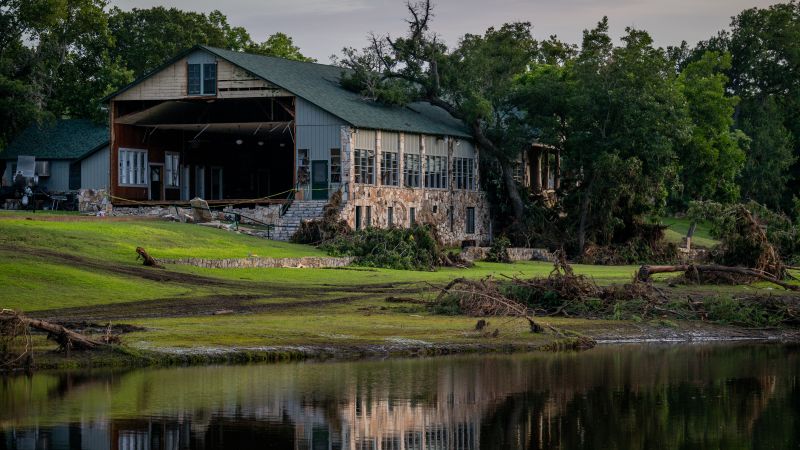
Camp Mystic withdrew its application to reopen this summer after the July 4, 2025 flooding that killed 27 campers and counselors, keeping the camp closed while criminal, civil, and wrongful-death inquiries continue. Texas officials, including Gov. Greg Abbott and Lt. Gov. Dan Patrick, said the decision was appropriate given ongoing investigations and the need for transparency. The story is primarily a legal, regulatory, and reputational development with limited direct market impact.
The immediate market read-through is not camp operations per se, but the signaling effect on liability, insurance, and regulatory scrutiny across the broader travel/leisure and youth-camp ecosystem. A forced pause while investigations remain open raises the expected cost of capital for any operator with flood, fire, abuse, or supervision exposure: insurers will likely reprice or exclude claims faster than regulators move, and that tightening can ripple into private camp portfolios, outdoor recreation venues, and regional hospitality names with similar concentration risk. The second-order winner is compliance-heavy operators that can demonstrate evacuation protocols, remote monitoring, and third-party safety audits; they should earn a lower risk premium relative to peers over the next 6–12 months. The key catalyst window is the next 30–90 days, when public investigative findings and civil filings can convert an emotional event into a repeatable underwriting framework. If authorities articulate specific failures around emergency planning and site remediation, expect a broader “proof of preparedness” regime that becomes table stakes for summer-camp licensing and special-event permits. That would be a negative for smaller private operators and municipal-adjacent recreation assets, while consultants, safety tech vendors, and environmental remediation firms may see incremental demand as organizations scramble to document defensibility. The contrarian point is that the direct financial impact on the camp itself may be less important than the precedent for state enforcement and the reputational damage to any operator perceived as cutting corners. The overhang could persist for years because litigation discovery and depositions keep the story alive, but the initial headline risk may be overdone for diversified leisure names unless they have exposed analog venues. For public markets, the better short is not ‘travel’ broadly, but insurers or leisure owners with concentrated catastrophe or supervision risk where a single adverse verdict can reset reserve assumptions.
AI-powered research, real-time alerts, and portfolio analytics for institutional investors.
Request DemoOverall Sentiment
moderately negative
Sentiment Score
-0.35
