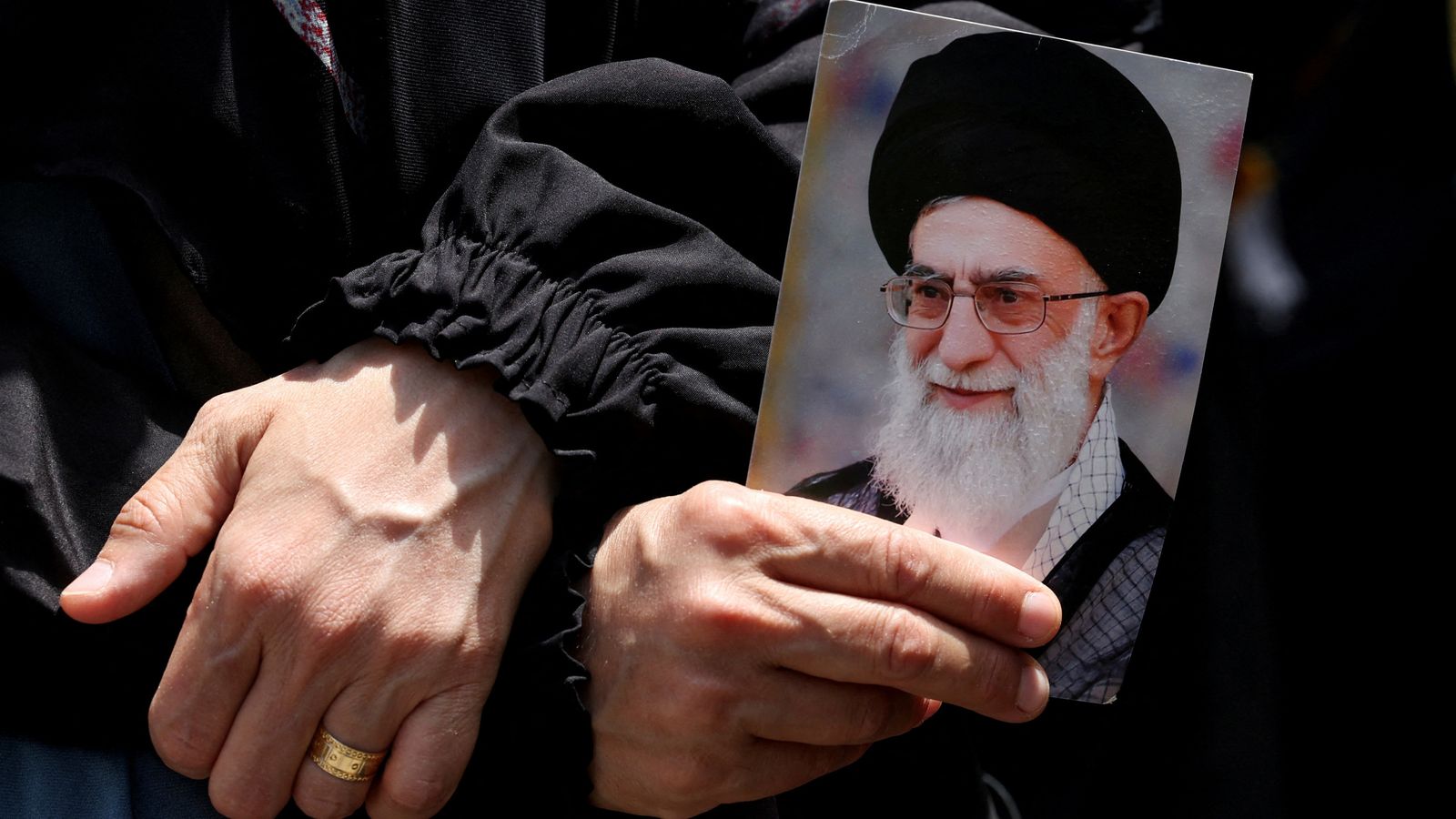
Amidst escalating tensions, Iran faces a choice between negotiating with the US or facing further military action, with Supreme Leader Khamenei likely to retaliate to deter further attacks. Potential responses include direct attacks on US bases in the Middle East, asymmetric warfare, or targeting shipping in the Persian Gulf, all of which carry significant risks of broader conflict and economic disruption. While major powers like Russia and China are unlikely to intervene directly, the situation poses long-term threats to Israel and risks further entanglement for the US.
The geopolitical landscape in the Middle East is facing a period of exceptionally high risk, characterized by a direct ultimatum from the US to Iran. Analysis indicates that Iran's leadership is unlikely to pursue negotiation and will instead opt for retaliation to deter further American military action. This assessment is supported by a 'strongly negative' sentiment score (-0.85) and a high market impact score (0.8), signaling significant downside risk for global markets. Potential Iranian responses range from direct drone and missile attacks on US bases in Qatar, Kuwait, and Iraq to asymmetric warfare and, most critically for the global economy, threatening oil shipping in the Persian Gulf. Any disruption in this vital chokepoint would cause oil prices to 'rocket' and inflict a 'big hit' on the global economy. While a massive US military presence, including three aircraft carrier groups, is positioned to deter and respond, the situation is described as 'almost certain to escalate.' The long-term outlook suggests a protracted and costly period of conflict management for Israel and the US, centered on containing Iran's nuclear ambitions, which will sustain geopolitical tension and require significant defense expenditure.
AI-powered research, real-time alerts, and portfolio analytics for institutional investors.
Overall Sentiment
strongly negative
Sentiment Score
-0.85
Ticker Sentiment
