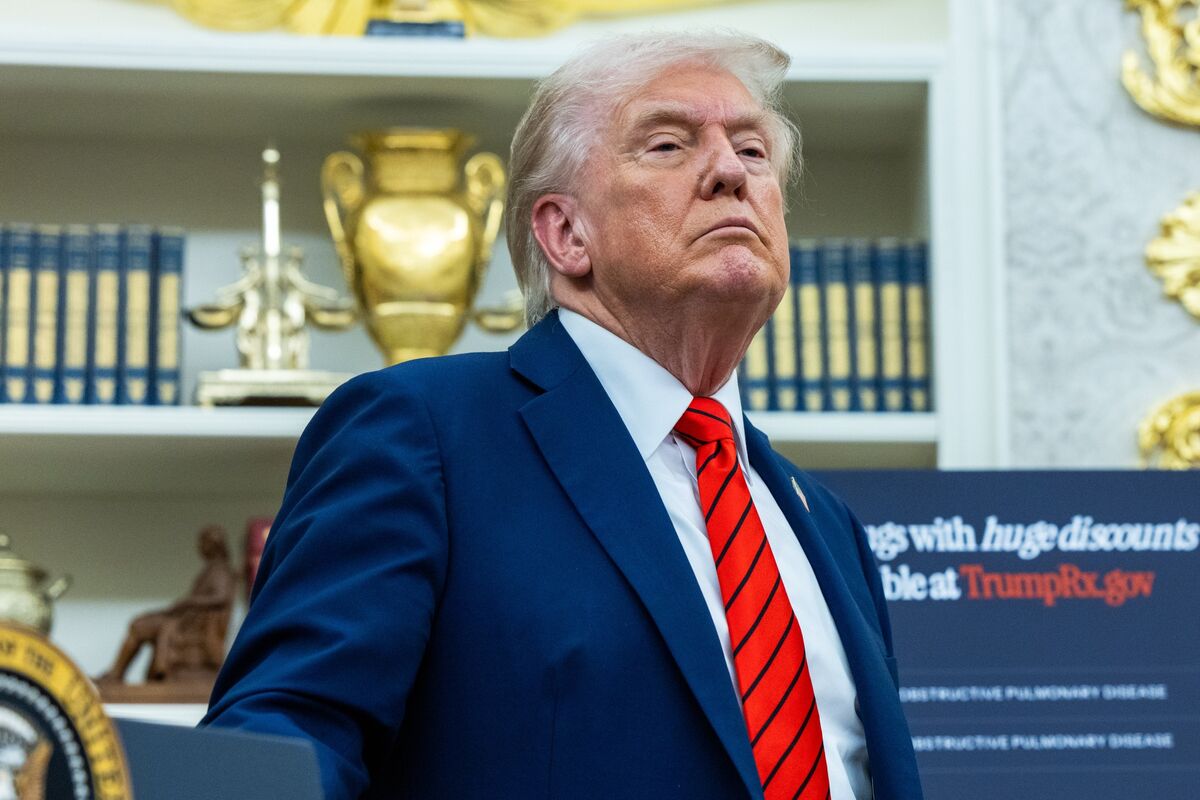
President Trump announced a new 100% tariff on all Chinese imports, effective next month, in retaliation for China's new restrictions on rare earth exports. This significant escalation in trade hostilities, following a period of negotiation without a durable resolution, challenges market assumptions that trade uncertainty had been resolved and could impact global trade dynamics.
President Trump has announced a significant escalation in trade tensions, imposing 100% tariffs on all Chinese imports effective next month. This move is a direct retaliation for China's new restrictions on rare earth exports, marking a renewed phase of trade hostilities after a period of negotiation that failed to yield a durable solution. The market's previous assumption that trade uncertainty was resolved is now challenged.
Despite the "strongly negative" sentiment and high market impact score (0.75), bond markets have not shown immediate panic, suggesting some resilience or perhaps a delayed reaction. However, the re-emergence of aggressive tariff measures, particularly targeting critical commodities like rare earths, introduces substantial uncertainty into global supply chains and trade dynamics. This development, while "bad news," is framed as not entirely surprising given the ongoing lack of a lasting resolution.
The 100% tariff on all Chinese imports represents a substantial economic barrier, directly impacting companies reliant on Chinese manufacturing and consumers. The focus on rare earths highlights vulnerabilities in critical raw material supply chains, potentially driving commodity price volatility and accelerating efforts towards supply chain diversification. Geopolitical tensions are clearly heightened, influencing investor sentiment and positioning.
AI-powered research, real-time alerts, and portfolio analytics for institutional investors.
Overall Sentiment
strongly negative
Sentiment Score
-0.75
