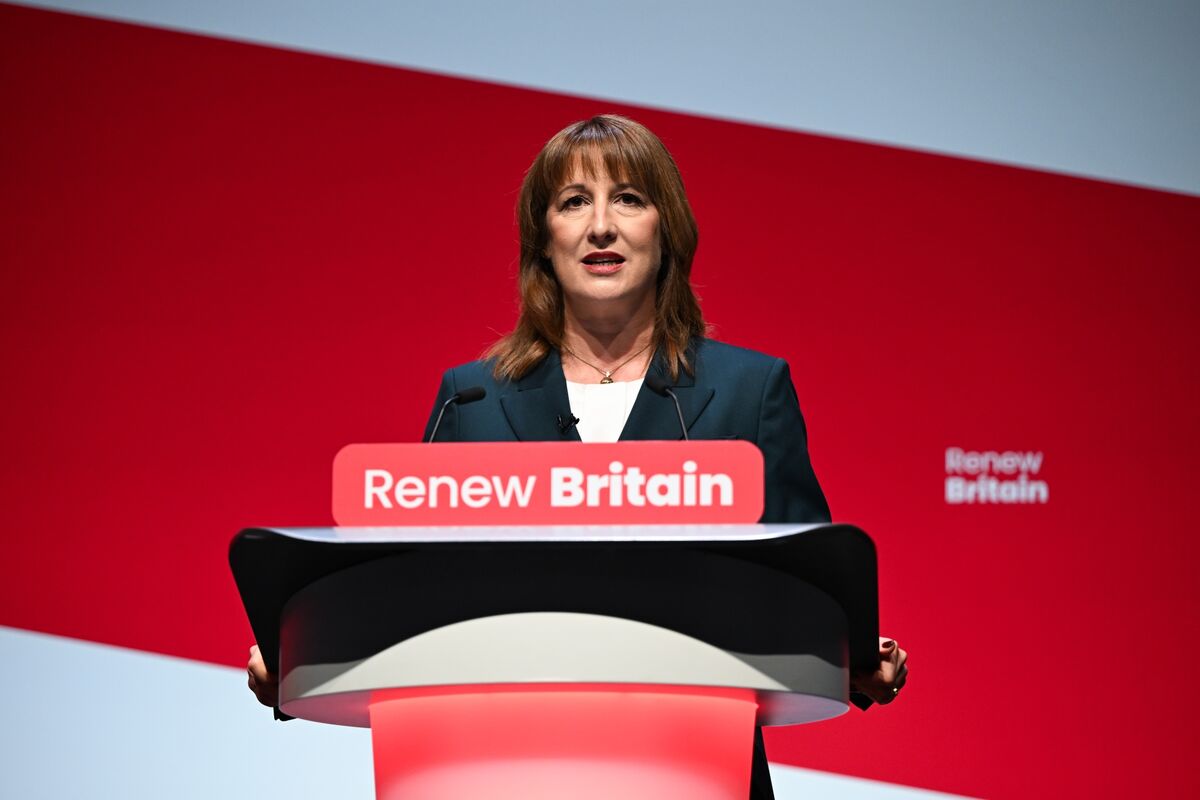
Chancellor Rachel Reeves plans to scrap the UK's two-child benefit cap at the November budget, according to an anonymous source familiar with the matter. The Treasury is reportedly exploring mechanisms such as expanding Universal Credit and Child Tax Credit eligibility to three or four children, or tapering payments for subsequent children, a move that would significantly alter welfare policy and government expenditure.
The UK is signaling a notable shift in fiscal policy, with Chancellor Rachel Reeves reportedly planning to scrap the two-child cap on family welfare payments in the upcoming November budget. This move, based on information from a source familiar with the matter, would directly increase government expenditure and alter social welfare support. The Treasury is currently evaluating specific implementation mechanisms, including either expanding eligibility for Universal Credit and Child Tax Credit to a third or fourth child, or instituting a tapered payment system that diminishes for subsequent children. While the market impact is currently assessed as low, the decision reflects a change in fiscal priorities and will have direct implications for the UK's budget deficit. The final cost and structure of the policy change, which remain unannounced, will be a critical variable for assessing the trajectory of UK public finances.
AI-powered research, real-time alerts, and portfolio analytics for institutional investors.
Request DemoOverall Sentiment
mildly positive
Sentiment Score
0.30
