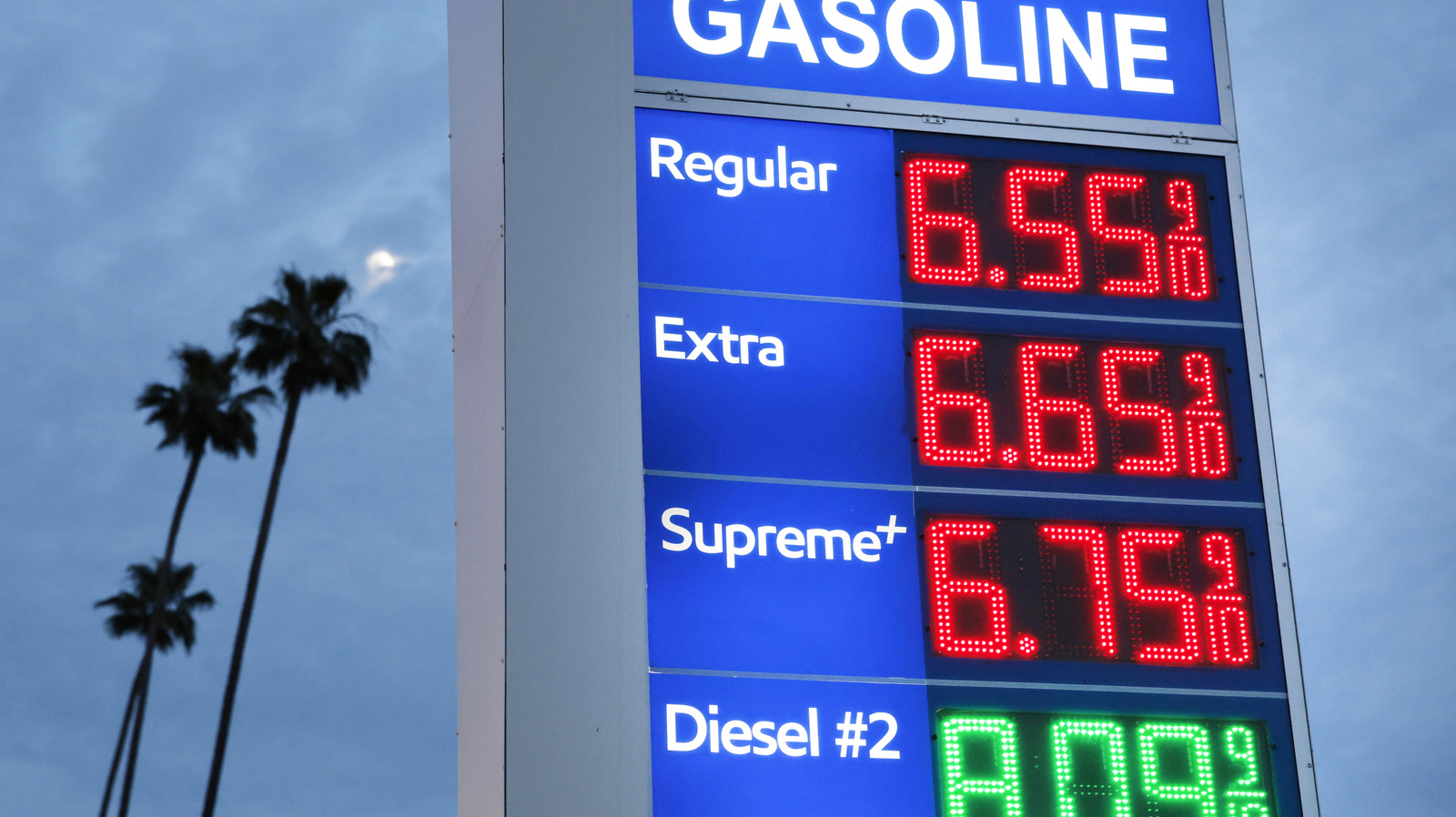
Over 60% of new vehicle registrations in the U.S. are SUVs; average fuel economy reached a record 27.2 mpg in 2024 (California 33.5 mpg). Rising gasoline prices amid Middle East conflict are creating consumer pressure on operating costs and prompting the author to argue for a shift toward fuel-efficient station wagons. The piece highlights automaker incentives and CAFE loopholes that favor SUVs, signaling a potential demand headwind for SUV-centric OEMs and a modest sector-level risk if consumer preferences shift.
An upward shock to consumers’ per-mile operating cost will not simply rotate demand within existing SUV subsegments — it forces OEM margin math. Brands that already maintain low-volume wagon/estate architectures (Europe-focused brands and certain parts suppliers) can monetize a taste-shift quickly by rebadging and de-contenting existing platforms, capturing share with minimal new capex in 12–24 months while US-centric, SUV-first manufacturers face near-term EBIT compression as high-margin mix erodes.
Second-order supply effects favor lightweighting and hybridization suppliers over pure ICE drivetrain vendors: aluminum and advanced high-strength steel ordering patterns change on 2–3 year timelines, while inverter/e-motor modules and 48V hybrid systems see order book improvements within 12–18 months. Dealer networks and captive financiers are a structural weak link — a sustained shift in consumer preference reduces SUV residuals, which feeds back into F&I revenue and used-vehicle supply, pressuring OEM captive earnings and elevating credit losses for high-LTV auto lenders.
Catalysts to watch are regulatory tightening on truck loopholes (12–36 months), targeted EV/wagon purchase incentives in Europe or the US (policy windows within 6–18 months), and any rapid normalization of energy markets which would blunt the economic urgency for consumers (risk horizon: 0–6 months). The consensus “wagon renaissance” underestimates dealer economics and marketing inertia; broad adoption requires OEMs to accept lower per-unit margins or to develop ancillary revenue (subscriptions, service) — if they won’t, the move stalls and only niche premium players benefit.
AI-powered research, real-time alerts, and portfolio analytics for institutional investors.
Overall Sentiment
mildly negative
Sentiment Score
-0.25
Ticker Sentiment
