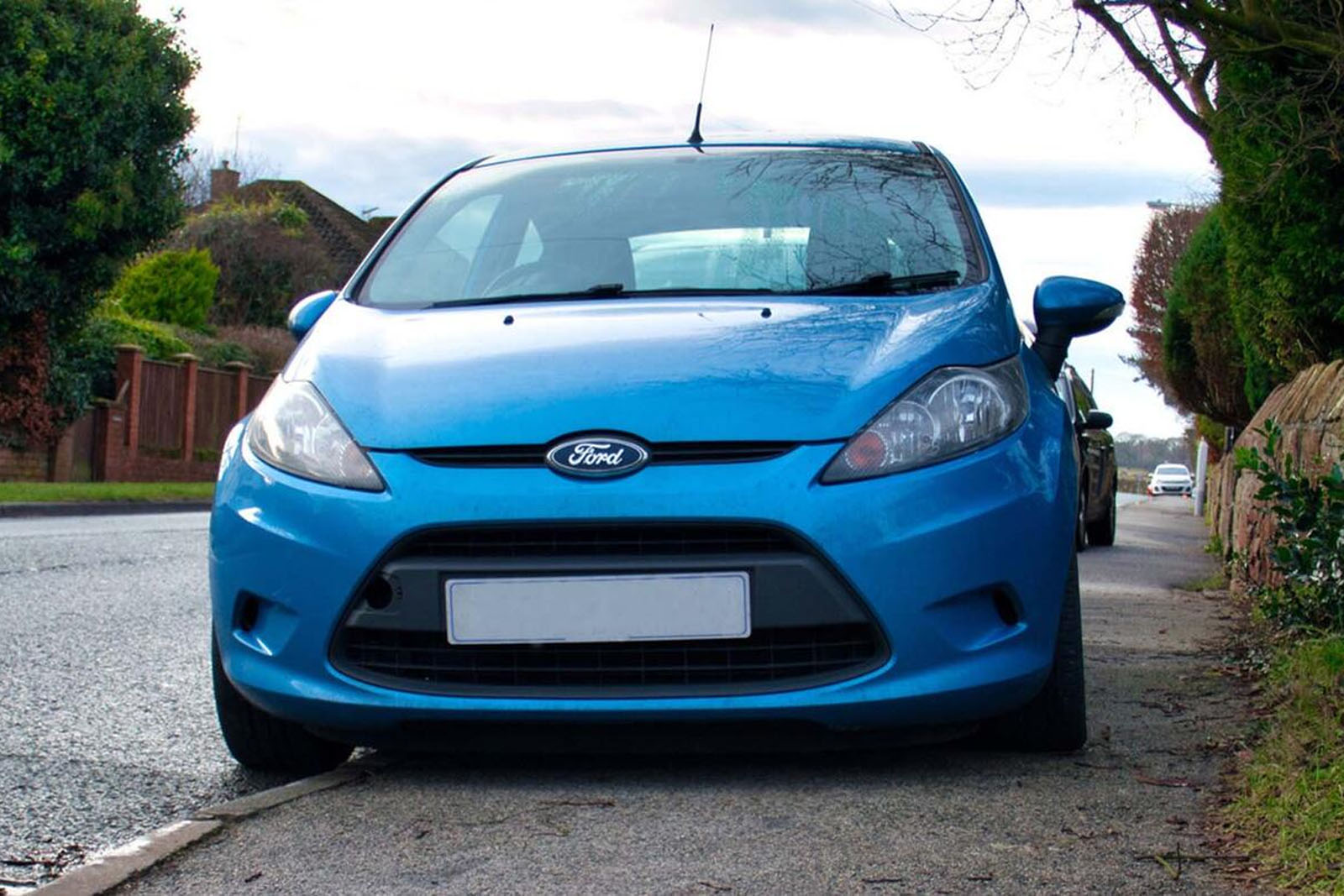
The UK government will introduce legislation this year to let local authorities impose blanket bans on pavement parking across wider areas rather than requiring street-by-street restrictions, with enforcement (likely fines) to be specified. Long-term powers will sit with local strategic authorities, unitary or county councils depending on area; the Department for Transport said decisions should be made locally. The move has been welcomed by disability charities and motoring groups, though details on enforcement mechanisms and safeguards against unnecessary restrictions remain unclear and the development has minimal direct market implications.
Market structure: This is a low‑velocity regulatory change that asymmetrically benefits municipal services outsourcers and enforcement/ANPR vendors while modestly increasing demand for formal off‑street parking. Expect local authorities to tender contracts worth low millions per authority over 12–36 months; firms like Capita (CPI.L) and Serco (SRP.L) and machine‑vision vendors (e.g., Cognex CGNX) gain incremental pricing power for software/hardware and recurring enforcement fees. Consumer impact is diffuse — negligible direct hit to autos OEMs but potential small uplift to paid parking operators if curb supply tightens.
Risk assessment: Tail risks include legal challenges, inconsistent local rollouts, or a DfT decision to limit fines to de‑minimis levels (<£50) that would blunt vendor revenue; probability medium but impact high for vendors. Immediate reaction (days) will be headline driven; meaningful contract activity follows DfT guidance and pilot outcomes in 30–90 days, with material procurement waves over 6–24 months. Hidden dependency: councils’ capex constraints — adoption scales only if central grants or reallocation of parking revenues cover contracts.
Trade implications: Tactical ideas — establish small, event‑driven longs: 2–3% positions in CPI.L and SRP.L (6–12 month horizon) to capture municipal outsourcing tenders; 1–2% exposure to CGNX or similar for ANPR upside via 6–9 month call spreads (buy 1.0–1.5× ATM calls, sell +15% strike). Pair trade: long CPI.L vs short PDG.L (Pendragon) 1:1 small size to express service outsourcing > auto retail thematic. Entry: size on pullback or within 7 days of DfT draft publication; exit at +20–30% or on contract loss/news.
Contrarian angles: Market underestimates rollout friction — many councils will defer without central funding, so upside is lumpy; if DfT mandates standard fines ≥£80 and funds pilots, adoption could be compressed to 12 months and vendor multiples re‑rate. Watch RFP volumes and fine thresholds as binary catalysts (monitor DfT and individual council agendas over next 30–90 days). An unintended consequence: increased off‑street parking pricing could benefit listed parking REITs/ops, so be ready to rotate into those names if tenders confirm curb supply contraction.
AI-powered research, real-time alerts, and portfolio analytics for institutional investors.
Request DemoOverall Sentiment
neutral
Sentiment Score
0.00
