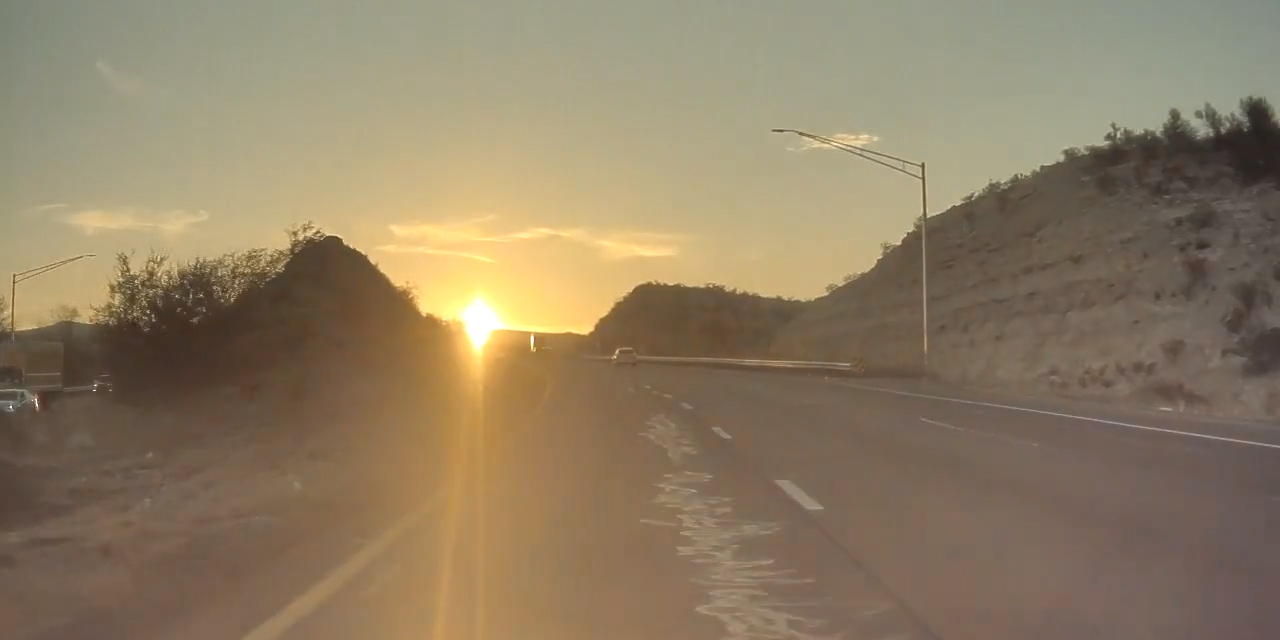
A recent fatal accident involving a Tesla Model Y operating with Full Self-Driving (FSD) engaged, where the system failed to detect and avoid a pedestrian in Arizona, has intensified scrutiny of Tesla's autonomous driving technology. The National Highway Traffic Safety Administration (NHTSA) is investigating whether FSD poses an unacceptable safety risk, particularly in conditions with reduced visibility like sun glare, while Tesla proceeds with plans to launch a driverless taxi service; experts question the company's reliance on cameras as the primary sensor, contrasting it with the multi-sensor approach used by competitors like Waymo, and raising concerns about safety in challenging conditions.
A fatal November 2023 crash in Arizona involving a Tesla Model Y operating with Full Self-Driving (FSD) engaged, resulting in the first known pedestrian fatality linked to the system, has significantly amplified scrutiny of Tesla's autonomous driving technology. The National Highway Traffic Safety Administration (NHTSA) is conducting an ongoing investigation into whether FSD, particularly in conditions of reduced visibility such as sun glare which was present during the incident, poses an unacceptable safety risk. This investigation follows a pattern of similar incidents under such conditions and a previous NHTSA finding that led to a recall of 2 million Tesla vehicles for Autopilot misuse. Despite these concerns and the seven-month delay in Tesla reporting the fatal crash to NHTSA, the company is proceeding with plans to launch a driverless robotaxi service, with Elon Musk asserting FSD's capabilities, including a "direct photon count" technique to handle sun glare—a claim met with skepticism by experts like Sam Abuelsamid. Tesla's reliance on a camera-only sensor suite, estimated to cost $400, contrasts sharply with competitors like Alphabet's Waymo, which employs a more expensive ($9,300) multi-sensor array including lidar and radar, technologies less susceptible to lighting conditions. Experts such as Bryant Walker Smith warn Tesla's push for driverless deployment may be premature, and Michael Brooks highlights the inherent risk of camera-based systems in conditions like sun glare. NHTSA has also expressed concerns over Tesla's marketing, which sometimes downplays the need for driver attentiveness, and recently queried Tesla on its robotaxi sensor systems and safety protocols for reduced visibility. Musk has publicly stated that FSD's success is pivotal to Tesla's valuation, underscoring the high-stakes nature of this technology amidst these mounting safety and regulatory challenges, and has simultaneously advocated for a streamlined federal approval process for autonomous vehicles, engaging politically to support this.
AI-powered research, real-time alerts, and portfolio analytics for institutional investors.
Request DemoOverall Sentiment
strongly negative
Sentiment Score
-0.75
Ticker Sentiment
