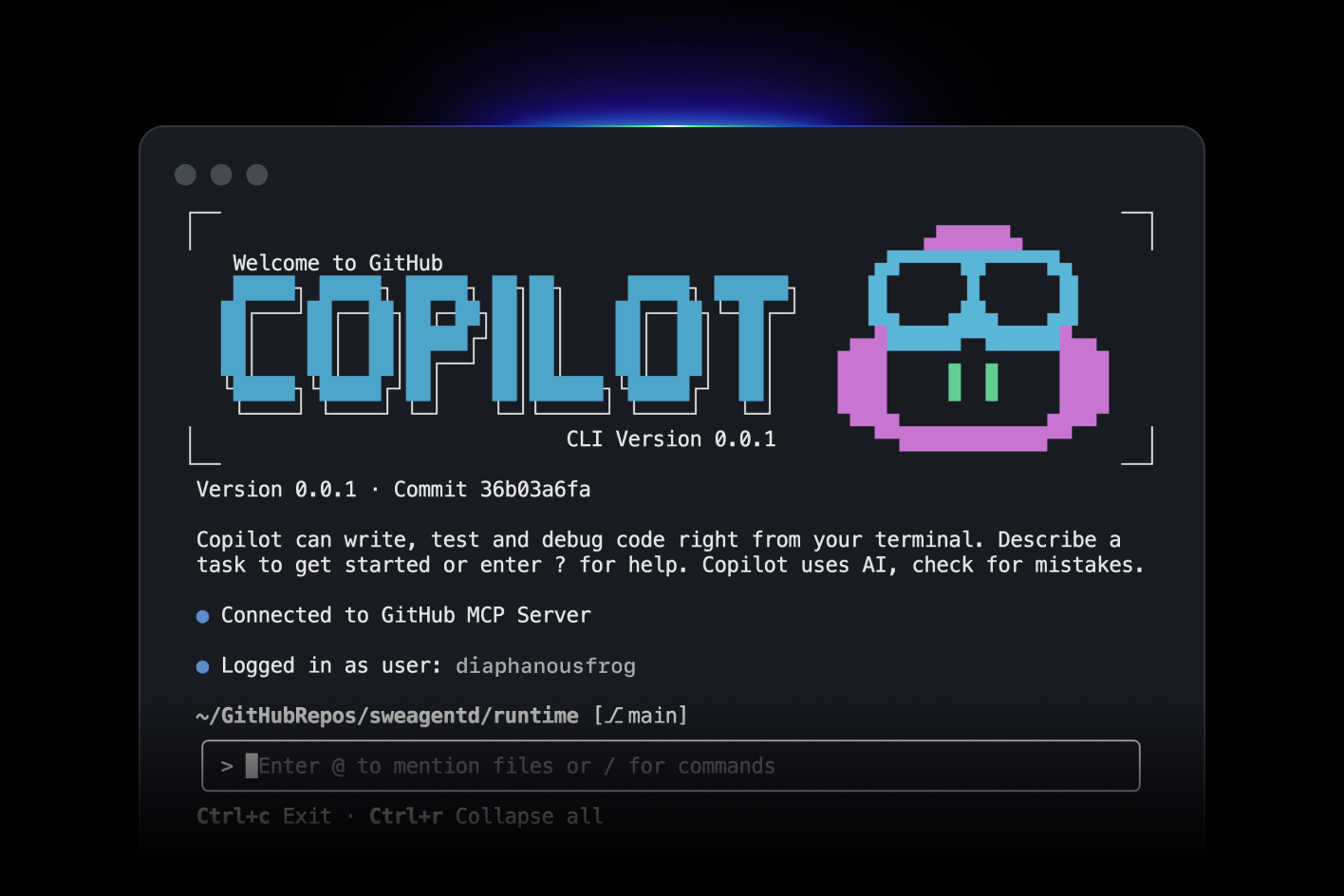
GitHub Copilot is shifting to token-based billing, with 1 AI credit equal to $0.01 and a $10 Pro plan now including 1,000 credits. Heavy agentic users face materially higher costs: a 30,000-token frontier-model session can consume 30-40 credits, while some community estimates project monthly bills rising from $29 to $750 or from $50 to $3,000. The change is most negative for developers using autonomous workflows, though inline completions and Next Edit Suggestions remain unlimited.
The key second-order effect is not just ARPU expansion for GitHub, but a forced segmentation of developer behavior: light users are effectively subsidizing the platform’s AI economics while heavy agentic users are pushed toward either budget discipline or competitor tools. That should improve unit economics for GitHub, but it also creates a sharp elasticity test over the next 1-2 quarters—if teams meaningfully cap usage, revenue capture may undershoot the headline pricing reset even as usage grows. The biggest loser is the “power user” cohort that monetized GitHub as an all-in-one agent shell; they now face an explicit tax on long context and multi-step workflows.
Competitively, this is a gift to point-solution and direct-API alternatives. Cursor, Claude Code, and direct Anthropic/OpenAI access become relatively more attractive exactly where GitHub is most vulnerable: high-volume autonomous coding and code review. The platform premium only makes sense if workflow integration offsets a materially worse token bill; once buyers compute that breakeven, procurement should migrate to whichever stack minimizes total cost per accepted line of code, not just seat price. In practice, that means GitHub may preserve low-intensity seats while losing the most profitable heavy-usage minutes to competitors over time.
The near-term risk is churn in the first billing cycles after normalization, when users discover their actual burn rate and set $0 caps or switch model mix. A reversal would require GitHub to soften the policy with larger default pools, more aggressive discounts on frontier models, or an obvious productivity uplift that justifies the spend; absent that, sentiment likely stays negative for 1-3 months while enterprise admins re-baseline budgets. The contrarian view is that the market may overestimate the revenue hit: if agentic workflows are genuinely valuable, many teams will treat the new pricing as a cost of doing business and simply reallocate from headcount or other SaaS spend rather than abandon the product.
AI-powered research, real-time alerts, and portfolio analytics for institutional investors.
Request TrialOverall Sentiment
mildly negative
Sentiment Score
-0.15
