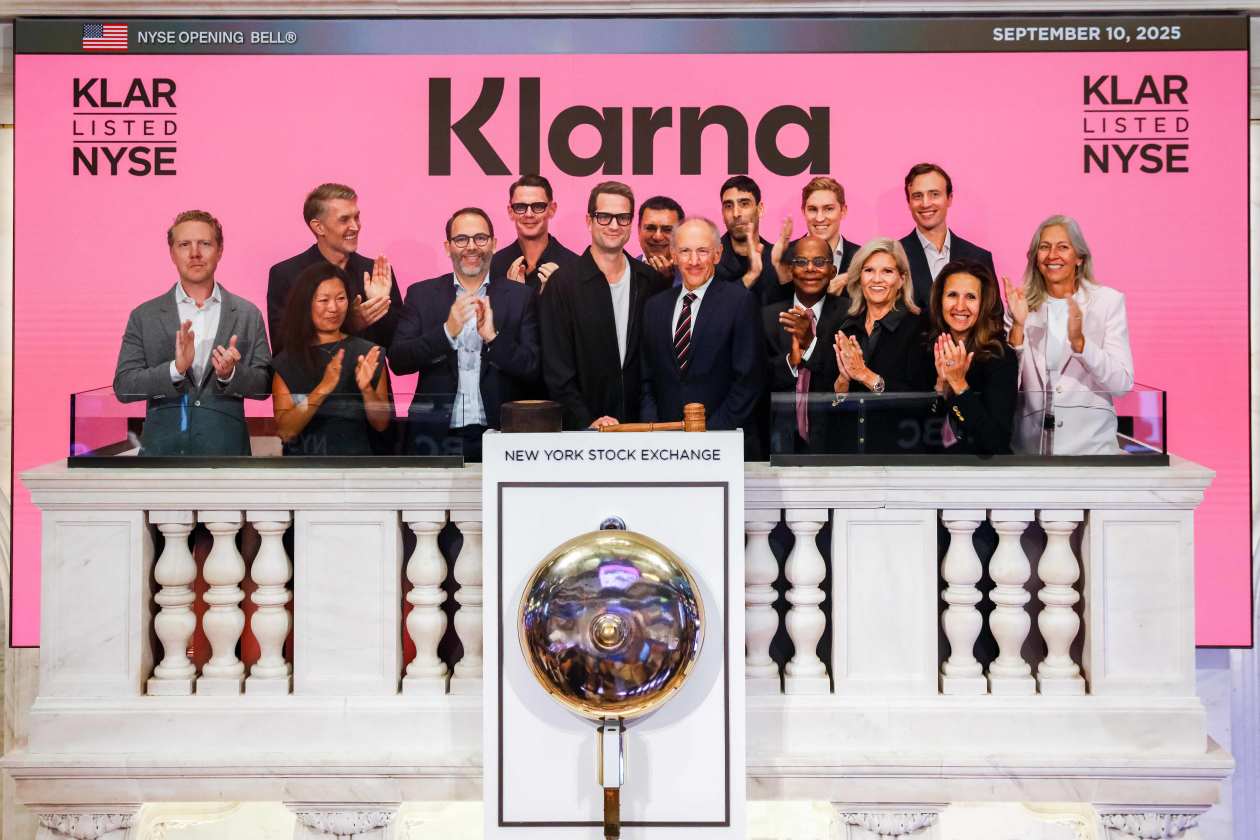
Klarna Group PLC's NYSE debut occurs as consumer reliance on buy-now-pay-later (BNPL) for essentials surges, with 58% of users citing it as their only affordable option amid record household debt. While Klarna touts low delinquency rates and short loan durations as a recession hedge, critics caution against potential debt accumulation and the underestimation of true credit risk. The firm is also expanding into longer-term, higher-interest financing, drawing comparisons to subprime lending, while the prospective inclusion of BNPL data in FICO scores could significantly impact consumer credit profiles.
Klarna's public debut occurs against a challenging macroeconomic backdrop, characterized by record household debt and rising inflation, which appears to be driving its adoption. A Federal Reserve survey indicates a growing dependency on Buy Now, Pay Later (BNPL) for affordability, with 58% of users citing it as the only way they could make a purchase, up from 55% a year prior. While Klarna management presents a positive outlook, highlighting a large user base of 111 million, delinquency rates below 1% for its core product, and a short average loan duration of 40 days that allows for rapid underwriting adjustments, significant risks are apparent. Critics and the Richmond Fed caution that low BNPL delinquency rates may mask broader consumer financial distress, as users might prioritize these small loans at the expense of larger debt obligations. Furthermore, Klarna's business model is evolving towards higher-risk, longer-term 'fair financing' loans, which have grown to 8% of gross merchandise value from 5% last year, carry interest rates up to 35.99%, and exhibit a higher delinquency rate of 2.18%. This strategic shift, set to expand via a partnership with Walmart, moves Klarna closer to a subprime lending profile. Looming regulatory uncertainty, specifically the potential inclusion of BNPL activity in FICO credit scores, poses a fundamental threat to the credit profiles of its core demographic and the product's 'invisible debt' appeal.
AI-powered research, real-time alerts, and portfolio analytics for institutional investors.
Overall Sentiment
moderately negative
Sentiment Score
-0.50
Ticker Sentiment
