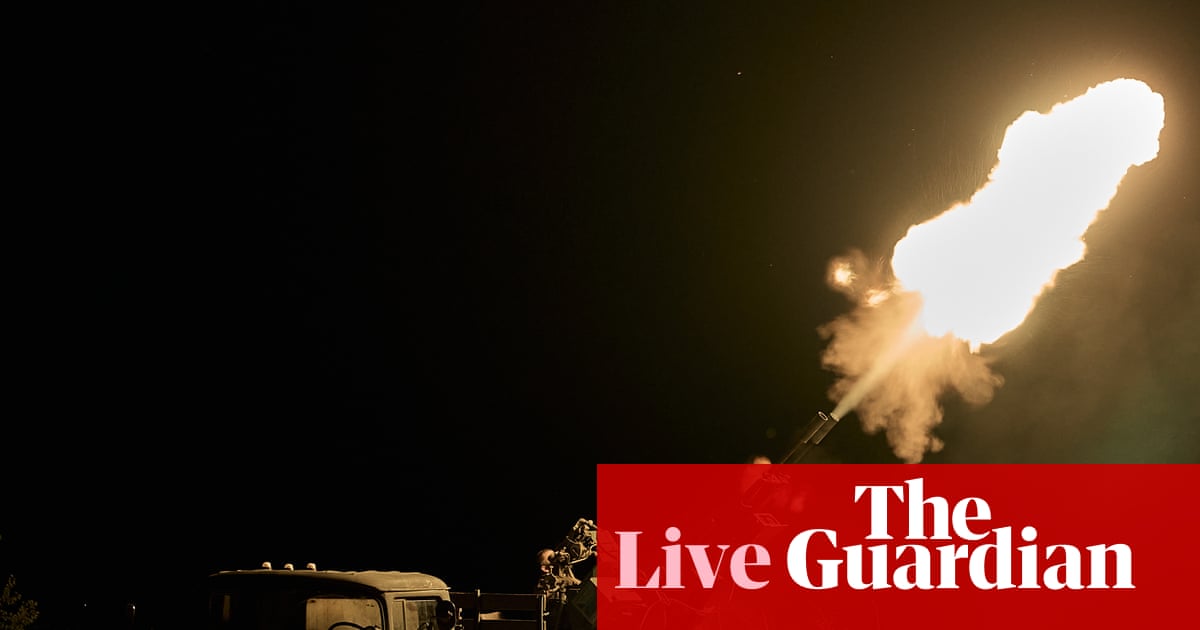
Discussions on Ukraine's future security are gaining urgency, with a German military official cautioning that any NATO peace force would necessitate a long-term deployment of tens of thousands of troops, posing a significant challenge to already stretched forces. Concurrently, Russia's Foreign Minister Lavrov asserts Moscow's right to veto post-peace deal support for Ukraine, while sources indicate Putin's revised peace terms demand Ukraine cede all of Donbas, renounce NATO, and maintain neutrality, albeit with potential concessions on other occupied regions. Separately, the EU and US have finalized a joint trade statement, lauded as a crucial initial step to avert a trade war and offering reassurances for EU carmakers, though excluding wine and spirits.
Geopolitical tensions surrounding Ukraine remain heightened, with a significant gap persisting between Russian demands and Western proposals for a peace settlement. Russia's position, as articulated by Foreign Minister Lavrov and sources familiar with Kremlin thinking, appears uncompromising, demanding a veto over post-conflict security measures and requiring Ukraine to cede the entire Donbas region and renounce NATO ambitions. This hardline stance casts doubt on the viability of near-term peace talks. Concurrently, European leaders are being cautioned about the immense practicalities of any security guarantees; the head of Germany's soldiers' union, Col. Andre Wuestner, estimates a long-term deployment of at least 10,000 troops from each major NATO nation would be necessary, a substantial challenge for already strained military forces. In a separate but related economic development, the EU and US have reached a trade agreement framed as a crucial de-escalation to avert a broader trade war. The deal provides tangible relief for the European automotive sector, with the EU pushing to make a new 15% tariff retroactive, but notably excludes wine and spirit producers, indicating that significant transatlantic trade frictions remain unresolved.
AI-powered research, real-time alerts, and portfolio analytics for institutional investors.
Request DemoOverall Sentiment
moderately negative
Sentiment Score
-0.40
Ticker Sentiment
