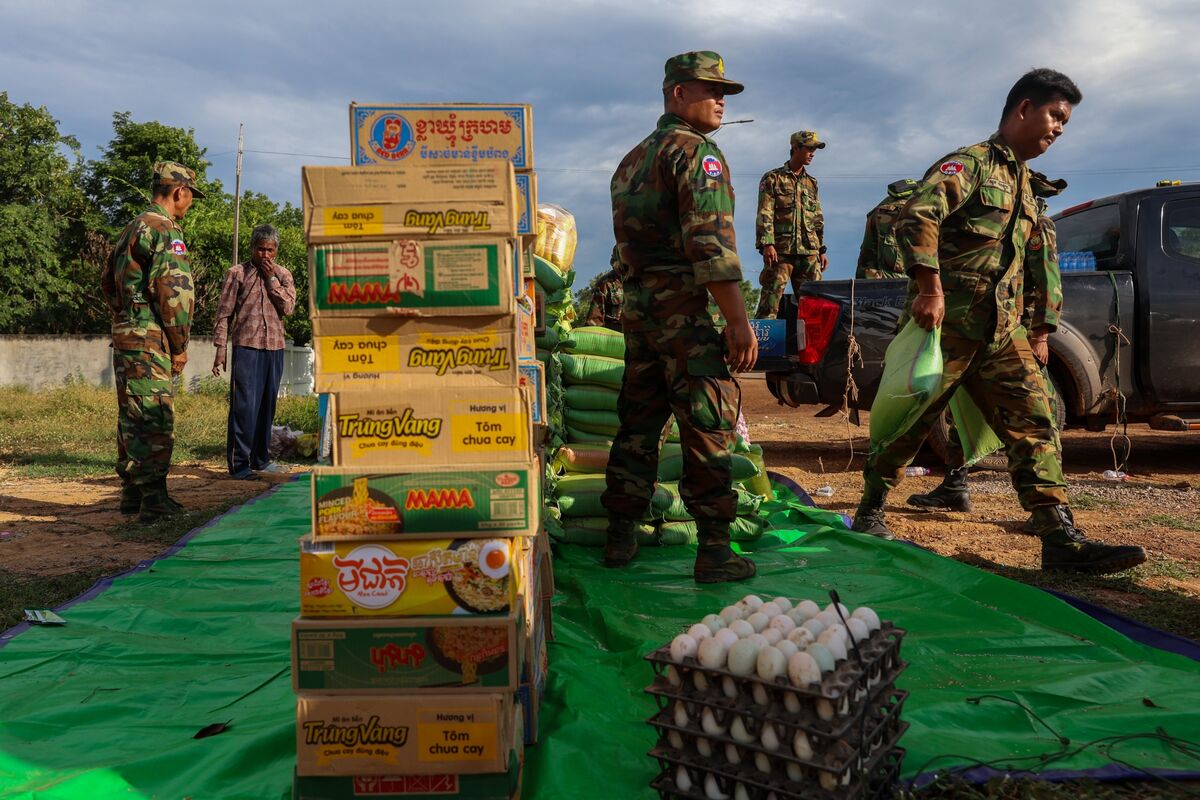
Thailand has accused Cambodian forces of violating a ceasefire agreement through unprovoked small arms fire and grenade attacks on Thai military positions near Phu Makua and two other border areas from Tuesday night into Wednesday morning. This alleged breach occurs just as international observers are set to monitor the disputed border, raising concerns about the stability of the truce and potential regional implications.
The Thai-Cambodian ceasefire is facing a critical test following accusations from Thailand's Ministry of Foreign Affairs that Cambodian forces conducted unprovoked attacks. The alleged incidents, involving small arms fire and grenade assaults on Thai military positions in Phu Makua and two other frontier areas, occurred just as international observers were preparing to monitor the truce. This timing raises significant doubts about the stability and commitment to the ceasefire agreement, injecting a high degree of uncertainty into the regional geopolitical landscape. The situation is characterized by a strongly negative sentiment and a volatile tone, reflecting the potential for rapid escalation. While this is a localized military confrontation without direct corporate involvement mentioned, its market impact score of 0.5 suggests a moderate potential for spillover into regional markets, likely through increased risk aversion affecting Thai and Cambodian assets.
AI-powered research, real-time alerts, and portfolio analytics for institutional investors.
Request DemoOverall Sentiment
strongly negative
Sentiment Score
-0.70
