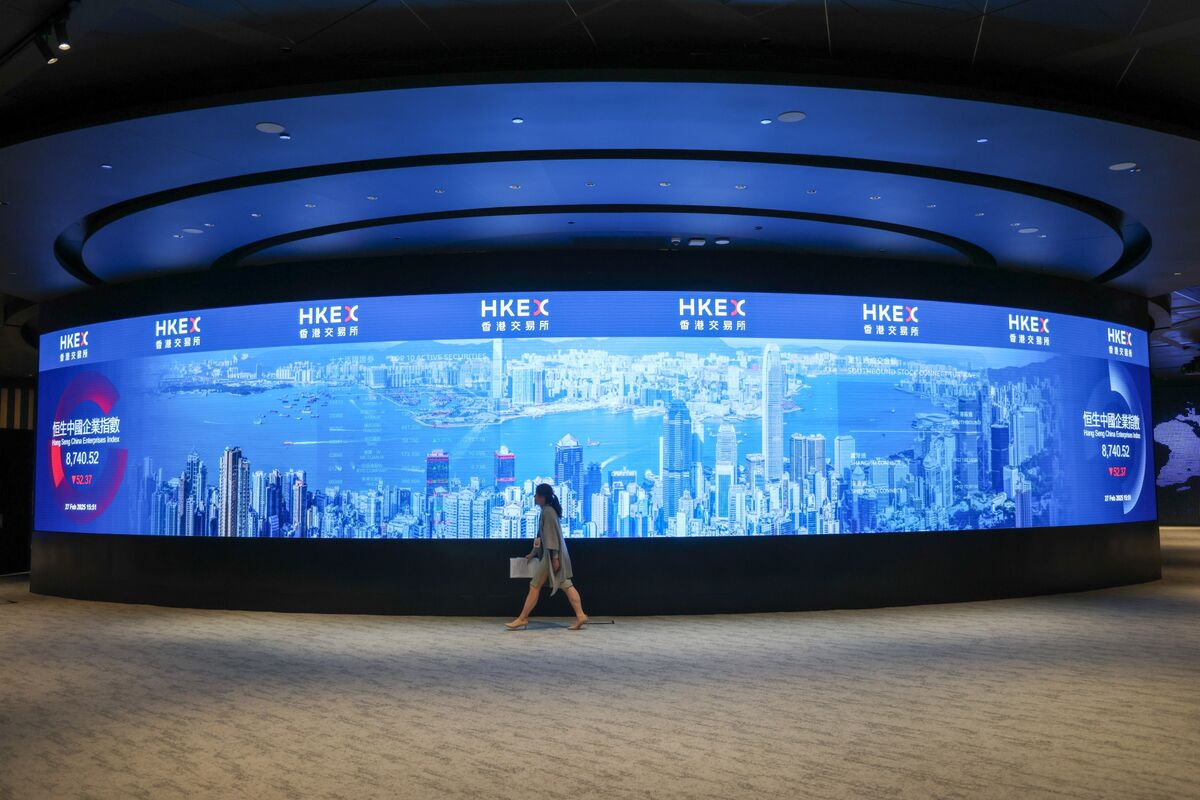
Hong Kong Exchanges & Clearing (HKEX) will reduce the maximum retail allocation for new listings from 50% to 35% starting next week. This policy shift, which is higher than the initially proposed 20%, aims to mitigate retail-driven frenzies and enable large institutional funds to secure a greater proportion of shares in Hong Kong's IPO market, potentially leading to more stable post-listing performance.
Hong Kong Exchanges & Clearing Ltd. is implementing a significant structural change to its IPO market by reducing the maximum allocation of shares to retail investors from 50% to 35%, effective next week. This policy adjustment, while less restrictive than the initially proposed 20% cap, is a direct response to recent retail-driven speculative frenzies in new listings. The primary objective is to rebalance the allocation mechanism in favor of large institutional funds, which are now positioned to secure a greater proportion of shares. This regulatory shift is intended to foster more stable post-listing price performance by anchoring new issues with investors perceived to have longer-term horizons, thereby potentially reducing the extreme volatility often associated with heavy retail participation on the first day of trading.
AI-powered research, real-time alerts, and portfolio analytics for institutional investors.
Request DemoOverall Sentiment
neutral
Sentiment Score
0.00
