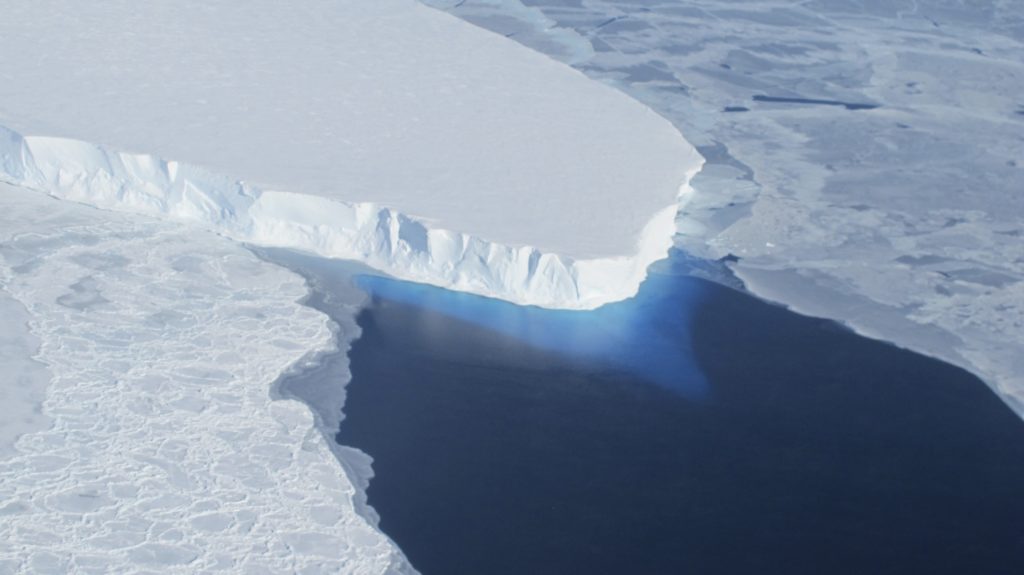
A team of nearly 40 researchers has embarked on a two-month expedition to study the rapidly melting Thwaites Glacier in Antarctica — a mass of ice roughly the size of Florida that scientists warn could substantially accelerate global sea level rise. The mission aims to better quantify melting dynamics and risks; for investors, worsening projections would increase downside exposure for coastal real estate, infrastructure, insurance liabilities and sovereign fiscal planning over the long term, although the report itself is unlikely to move markets immediately.
Market structure: Rapid melting of Thwaites strengthens secular demand for coastal resilience (engineering, dredging, sea-walls) and water/infrastructure upgrades while increasing uncertainty for coastal real estate and property insurers. Expect engineering firms (ACM, J) and materials suppliers (VMC, CRH) to gain pricing power on specialized projects; insurers will face higher loss-cost assumptions that can compress underwriting capacity in high-risk zones over 1–5 years.
Risk assessment: Tail risk is a low-probability but high-impact nonlinear ice-sheet event that could reprice coastal flood risk and muni credit within 3–10 years; regulatory tail-risks include mandatory resilience standards and building-code hikes. Immediate market moves will be muted (days–weeks), meaningful reallocation likely in months (policy, reinsurer reserve changes) and capital-heavy adaptation plays over multi-year horizons; watch municipal bond spreads in coastal counties and insurer reserve filings as early indicators.
Trade implications: Tactical trades favor industrials and water infrastructure while underweighting coastal residential REITs and regional banks with concentrated coastal mortgage exposure. Option strategies can express convexity: buy 9–18 month calls on select engineering/water names and puts on coastal REITs; rotate portfolio overweight to Industrials/Utilities and underweight Financials/REITs with >25–30% coastal revenue over the next 6–24 months.
Contrarian angles: Consensus focuses on long-term doom; markets underappreciate medium-term remediation spending (GDP-positive capex) that benefits heavy-equipment and water-tech winners but may be slow to hit insurers’ top-line. Historical parallels (post-Katrina infrastructure rebuild) suggest a multi-year alpha window for contractors and material suppliers; downside is policy gridlock or low public funding, so size positions small-to-moderate until follow-on policy/corporate bids confirm demand.
AI-powered research, real-time alerts, and portfolio analytics for institutional investors.
Request DemoOverall Sentiment
mildly negative
Sentiment Score
-0.25
