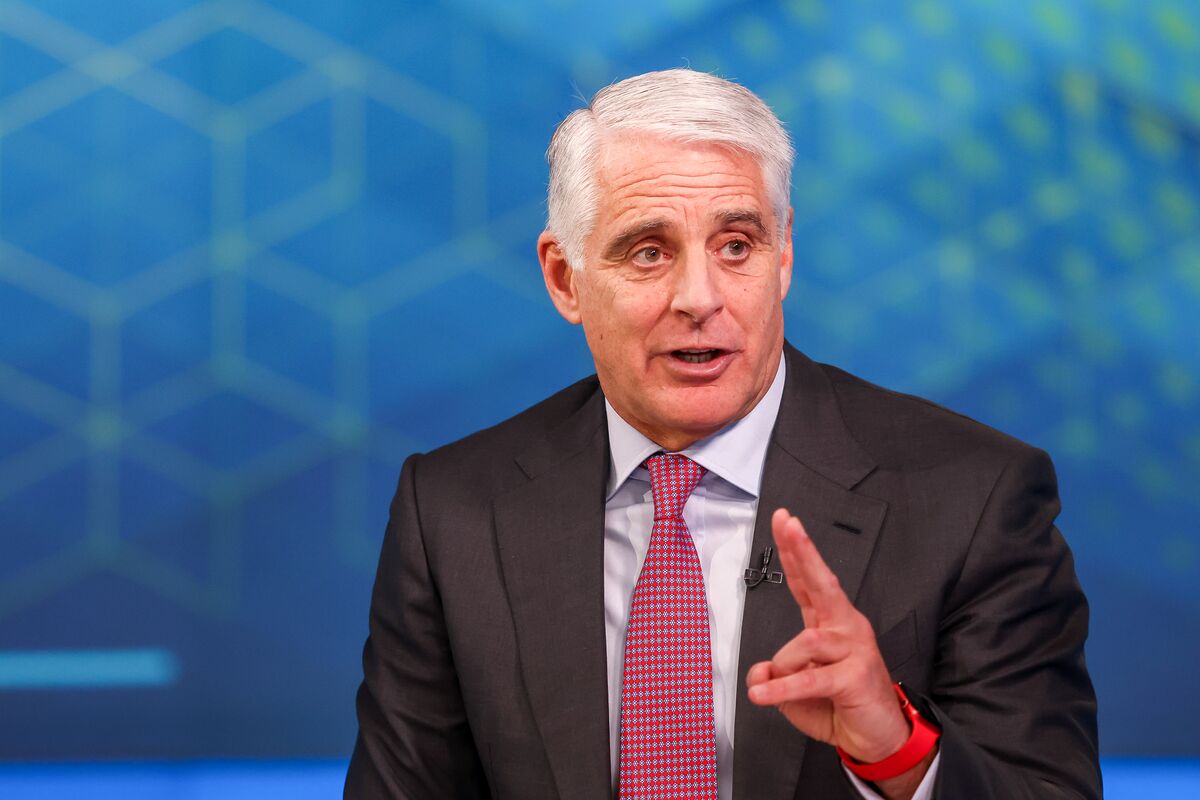
UniCredit SpA CEO Andrea Orcel stated the bank expects to mitigate the impact of the Italian government's plan to raise approximately €4.3 billion ($5 billion) from banks and insurers. This initiative, part of the 2026 budget, includes a two-percentage-point increase in the regional IRAP tax for three years, commencing in 2026.
UniCredit SpA's Chief Executive Officer, Andrea Orcel, has communicated confidence in the bank's capacity to mitigate the financial impact stemming from a new Italian government tax. This fiscal measure, part of the 2026 budget, aims to generate approximately €4.3 billion ($5 billion) from financial institutions. The primary component of this tax involves a two-percentage-point increase in the regional IRAP tax, which will be in effect for three years starting in 2026.
The proposed tax represents a direct increase in operational costs for Italian financial institutions, specifically targeting productive activities. Despite this, the general sentiment surrounding UniCredit's ability to manage this challenge is mildly positive and optimistic, reflected by a sentiment score of 0.3. This suggests that market participants are likely viewing management's confidence as credible, anticipating potential internal strategies to absorb or offset the increased tax burden.
This fiscal policy initiative falls under key themes such as "Tax & Tariffs" and "Fiscal Policy & Budget," highlighting regulatory changes impacting the banking sector. The overall market impact score is also 0.3, indicating a relatively contained or anticipated effect on the broader market, likely attributable to UniCredit's proactive communication. The focus remains on the bank's specific mitigation strategies rather than a systemic shock to the Italian banking sector.
AI-powered research, real-time alerts, and portfolio analytics for institutional investors.
Request DemoOverall Sentiment
mildly positive
Sentiment Score
0.30
